

The Criticality of Early Detection in Infant Hearing Loss
Infant hearing loss, a condition where a baby has a reduced or absent ability to perceive sounds, presents a significant challenge to a child’s developmental trajectory. This impairment can affect one ear (unilateral) or both ears (bilateral), and its nature can range from temporary, often treatable conditions, to permanent, requiring long-term management. The profound impact of hearing on speech and language acquisition underscores the paramount importance of early identification. Without timely intervention, children may face substantial hurdles in developing effective communication skills, impacting their cognitive, social, and emotional growth.
The distinction between temporary and permanent hearing loss is crucial for guiding appropriate interventions. Temporary hearing loss, frequently stemming from issues like fluid accumulation in the middle ear, recurrent ear infections, or blockages within the ear canal, may often be resolved with medical treatment. Conversely, permanent hearing loss typically results from damage to the inner ear structures or the auditory nerve, necessitating sustained support and management strategies. A precise diagnosis by a qualified specialist is the only definitive method for determining the type and extent of hearing loss.
Unveiling the Signs: Recognizing Hearing Impairment in Infants and Toddlers
The ability to recognize the early indicators of hearing loss in infants is a vital skill for parents and caregivers. These signs often correlate with developmental milestones, and their manifestation can vary significantly with age. A fundamental principle is to trust parental intuition; if concerns about a child’s hearing arise, they should be addressed promptly.

Birth to 3 Months: During this initial period, infants are developing their auditory awareness. Key indicators of potential hearing loss include a lack of startling response to sudden loud noises, failing to turn their head towards the source of sounds, and not showing signs of recognizing familiar voices. While a newborn’s vision is still developing, a noticeable absence of reaction to auditory stimuli warrants attention.
3 to 6 Months: As infants grow, their responses to sound become more refined. Signs to monitor at this stage include a lack of vocalization or babbling, not smiling or laughing in response to familiar voices, and not appearing to enjoy hearing sounds or music. They may also miss sounds that are not directly in their line of sight.
6 to 12 Months (and Toddlers): By the latter half of the first year and into toddlerhood, children are expected to respond to their name, imitate sounds, and begin to understand simple commands. Delayed or absent speech development, difficulty following directions, and a persistent lack of engagement with spoken language can be significant red flags. These signs might also emerge later, presenting as signs of deafness in toddlers, particularly if the hearing loss develops gradually over time.
Understanding the Genesis: Common Causes of Infant Hearing Loss
The origins of hearing loss in babies are diverse, encompassing a range of factors that can affect auditory development from conception through infancy. Congenital causes, present at birth, are often attributed to genetic predispositions, maternal infections during pregnancy, or complications arising during childbirth.
Genetic Factors: A significant percentage of infant hearing loss is hereditary. These genetic mutations can affect the structure or function of the inner ear or the auditory nerve. Importantly, genetic hearing loss can manifest even without a known family history, as gene mutations can occur spontaneously or be carried recessively.

Prenatal Infections: Certain infections contracted by the mother during pregnancy can have devastating effects on fetal development, including the auditory system. Conditions such as congenital cytomegalovirus (CMV), rubella (German measles), herpes simplex virus, and toxoplasmosis can damage the developing inner ear or auditory nerve, leading to permanent or progressive hearing loss. CMV is a particularly common cause of non-genetic hearing loss in newborns.
Perinatal Complications: Premature birth and low birth weight are significant risk factors for infant hearing loss. These infants often require intensive medical care in Neonatal Intensive Care Units (NICUs), where complications such as oxygen deprivation, severe infections, or exposure to ototoxic medications (drugs harmful to the ear) can negatively impact hearing. Reduced oxygen levels during delivery or severe jaundice can also damage the delicate auditory pathways.
Structural Abnormalities: Some infants are born with physical differences in the outer, middle, or inner ear that impede the normal transmission of sound to the brain. These structural variations can range from malformations of the ear canal or ossicles to more complex inner ear anomalies.
Ototoxic Medications: Exposure to certain medications that are toxic to the ear, either during pregnancy or administered to the infant after birth, can contribute to hearing loss. This highlights the importance of careful medical management and awareness of potential side effects.
Temporary Conditions: While permanent hearing loss demands immediate attention, temporary issues like middle ear fluid (otitis media with effusion) or recurrent ear infections can cause temporary hearing difficulties. While these are often treatable, persistent fluid buildup can impede sound transmission and require medical intervention.

It is important to note that in a substantial number of cases, a precise cause for infant hearing loss may not be identified. Regardless of the etiology, early diagnosis and appropriate support are paramount for fostering optimal speech, language, and communication development.
Navigating the Diagnostic Landscape: Newborn Hearing Screening and Beyond
The cornerstone of early identification for infant hearing loss is the newborn hearing screening, a routine procedure implemented in most healthcare settings shortly after birth, typically before hospital discharge or within the first month of life. These screenings are quick, non-invasive, and designed to detect potential hearing impairments efficiently.
Two primary methods are commonly employed:
- Otoacoustic Emissions (OAEs): This test measures the response of the inner ear (cochlea) to sound. A small earphone is placed in the baby’s ear, emitting soft sounds. If the cochlea is functioning normally, it will produce an "echo" that is measured by a microphone.
- Auditory Brainstem Response (ABR): This test assesses how the auditory nerve and brainstem pathways respond to sound. Small sensors are placed on the baby’s head, and earphones deliver sounds. The sensors detect the electrical activity in the brain in response to these sounds.
The results of these screenings are generally categorized as:
- Pass: This indicates that the baby heard the sounds presented during the screening. However, it is crucial to understand that a "pass" result does not entirely rule out the possibility of hearing loss developing later.
- Refer: This means that the baby did not respond to the sounds as expected during the screening. A "refer" result necessitates further diagnostic evaluation by a hearing specialist. It is important to note that a "refer" does not definitively confirm hearing loss, as temporary factors like fluid in the ear or residual amniotic fluid in the ear canal can influence the results.
The Nuance of Screening: When Hearing Loss Emerges After a Passed Test
A critical aspect of infant hearing care is the understanding that a baby can indeed pass a newborn hearing screening and still develop hearing loss at a later stage. This phenomenon is termed delayed-onset or progressive hearing loss. A screening conducted at birth confirms hearing ability at that specific moment but does not provide a lifelong guarantee. Factors such as certain genetic conditions that manifest later, or ongoing exposure to infections, can lead to a gradual decline in hearing.
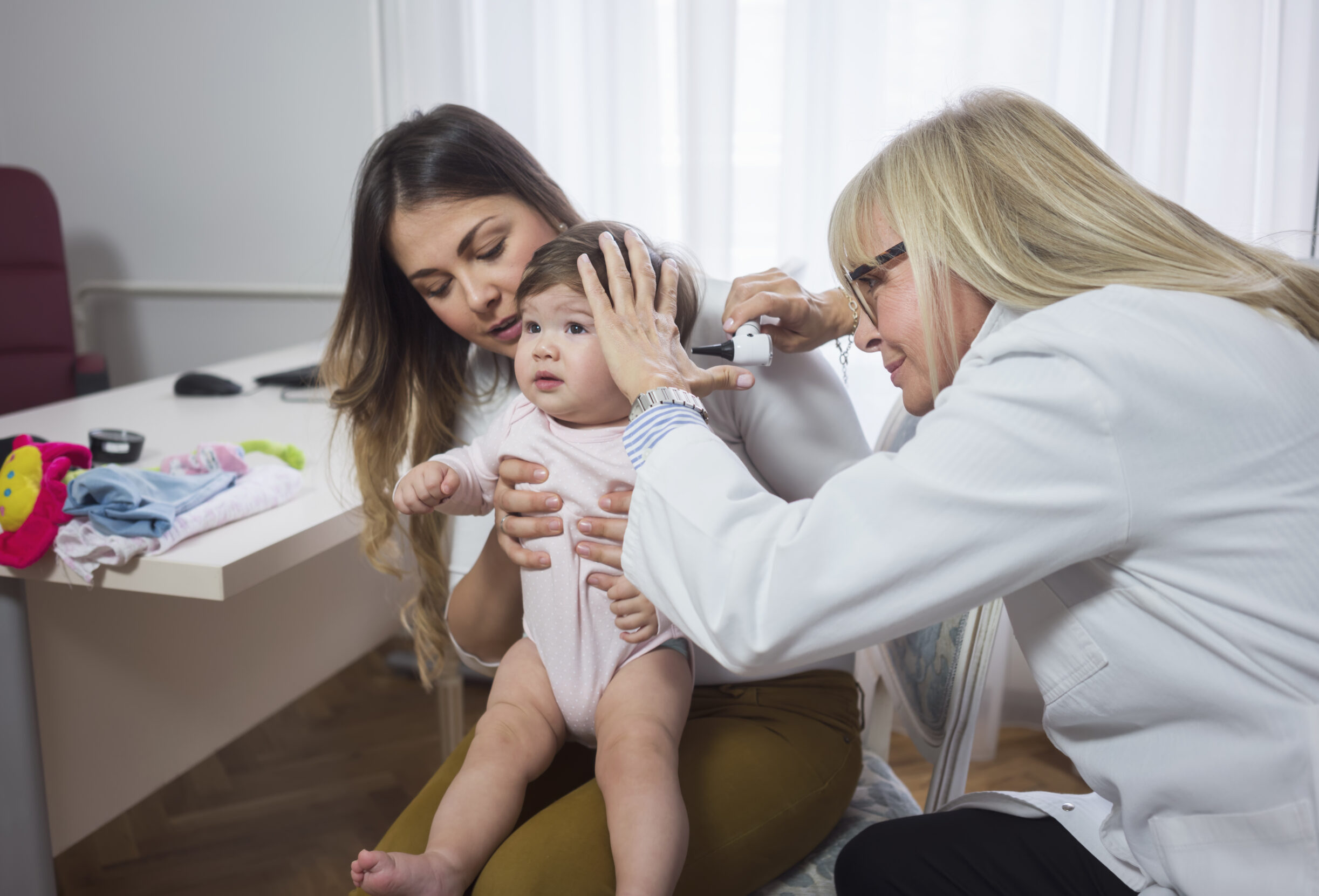
This underscores the importance of ongoing vigilance. Parents and caregivers should remain attuned to their child’s hearing and communication development. This includes:
- Monitoring developmental milestones: Regularly observing if the child is meeting expected hearing and language milestones for their age.
- Continuing to talk and sing to the baby: Engaging in regular auditory stimulation.
- Seeking professional advice if concerns arise: Not hesitating to consult with healthcare providers if any doubts about the child’s hearing persist.
Actionable Steps: Responding to a Failed Hearing Test
If a baby does not pass a hearing test, it is natural for parents to feel concerned. However, it is vital to approach this situation with a clear understanding of the next steps. A "refer" result mandates follow-up testing. Many infants who do not pass the initial screening do so due to temporary reasons, such as fluid in the middle ear or the presence of vernix or amniotic fluid in the ear canal, which can interfere with sound transmission.
The critical element is prompt action. Early intervention is unequivocally linked to better long-term outcomes for children with hearing loss. A widely adopted guideline is the "1-3-6 rule":
- By 1 month: Infants should undergo diagnostic hearing evaluations to confirm or rule out hearing loss.
- By 3 months: If hearing loss is identified, intervention services, such as early intervention programs, should commence.
- By 6 months: Children with confirmed hearing loss should receive appropriate amplification devices (like hearing aids) or cochlear implants, if indicated, and begin speech and language therapy.
Adhering to this timeline is instrumental in ensuring that children with hearing loss receive the necessary support during a crucial period of brain development and language acquisition.
Understanding Unilateral Hearing Loss: Hearing in One Ear
Infant hearing loss in one ear, scientifically termed unilateral hearing loss, means a baby can hear adequately in one ear but experiences significant impairment in the other. While it might seem that having one functioning ear is sufficient, this condition can still have a considerable impact on a child’s development.

The effects of unilateral hearing loss can manifest in several ways:
- Difficulty locating sound: The brain uses input from both ears to triangulate sound sources, a process known as sound localization. With hearing loss in one ear, this ability is compromised, making it harder for the child to determine where a sound is coming from.
- Challenges in noisy environments: Background noise can significantly interfere with speech understanding for children with unilateral hearing loss. The intact ear may struggle to filter out distracting sounds, making it difficult to focus on conversations.
- Impact on speech and language development: While less severe than bilateral loss, unilateral hearing loss can still influence the nuances of speech perception and, consequently, language acquisition. The brain’s ability to process complex auditory information is affected.
- Academic and social implications: As children enter school and social settings, difficulties with auditory processing in noisy environments and sound localization can lead to academic challenges and social isolation.
Even if a baby is diagnosed with hearing loss in only one ear, early support and consistent monitoring remain essential. The brain’s plasticity during infancy allows for remarkable adaptation, but early intervention can optimize this process.
Comprehensive Treatment Strategies for Infant Hearing Loss
The approach to treating infant hearing loss is multifaceted and tailored to the specific cause, type, and severity of the impairment. A range of interventions exists, designed to maximize a child’s auditory access and support their developmental journey.
Medical Treatments for Temporary Causes: For hearing loss attributed to temporary factors such as middle ear fluid or infections, medical interventions are often the primary course of action. This may involve prescribed medications to clear infections or surgical procedures to address persistent fluid buildup.
Early Intervention Programs: These vital programs offer specialized support to infants and young children with hearing loss and their families. Speech-language pathologists, audiologists, and early childhood educators work collaboratively to develop individualized plans that focus on enhancing communication skills, fostering language development, and building listening abilities. These programs are critical during the sensitive periods of early childhood development.
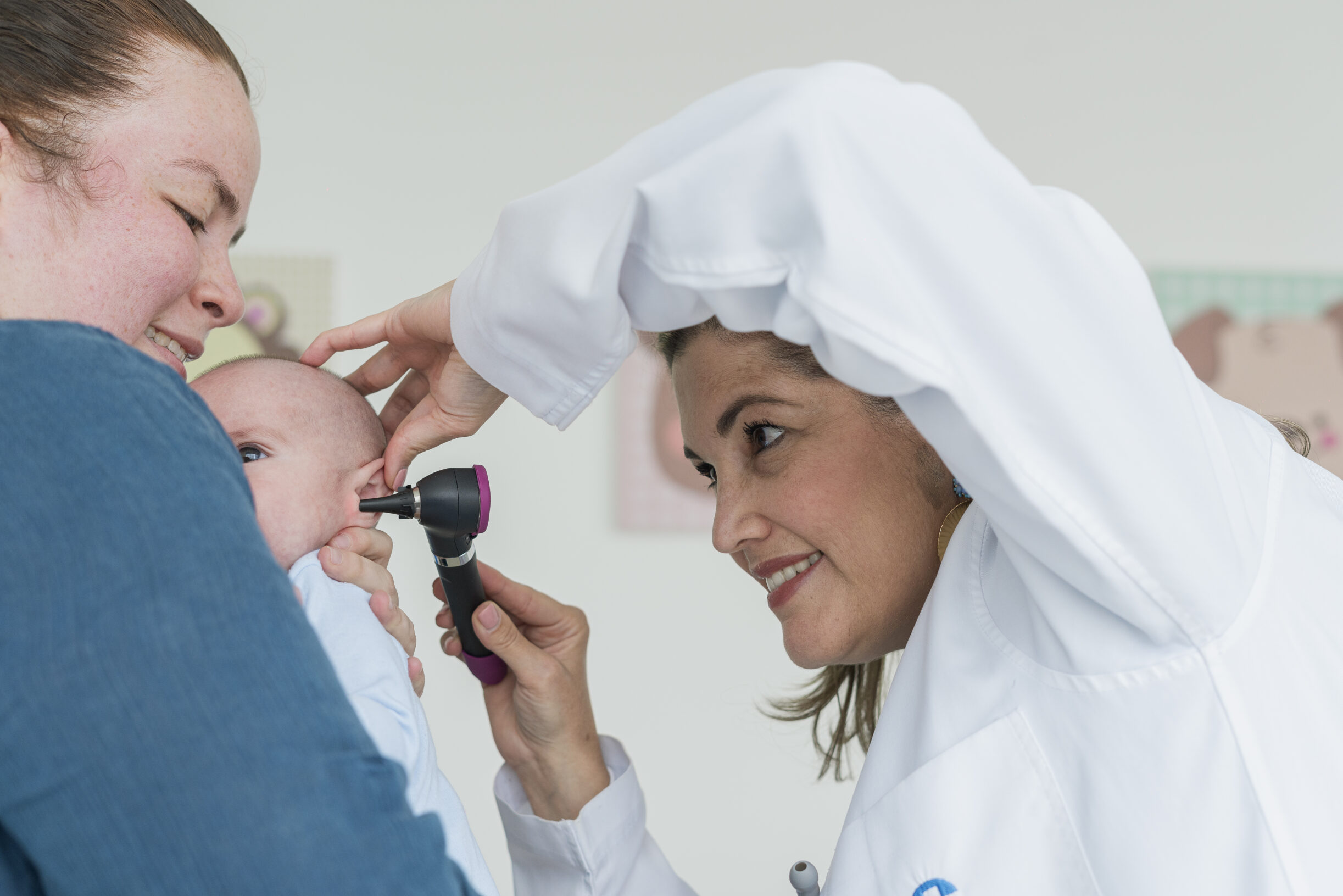
Support from Specialists: A multidisciplinary team of professionals plays a crucial role. Audiologists conduct comprehensive hearing evaluations, ENT specialists diagnose and manage medical conditions affecting the ear, and early intervention professionals provide educational and therapeutic support. Their combined expertise ensures families receive accurate information and the most appropriate care plan.
Hearing Aids: For infants and children diagnosed with mild to moderate hearing loss, hearing aids are often a highly effective solution. These devices amplify sounds, making them more accessible for the wearer. Modern hearing aids are sophisticated, customizable, and designed to be comfortable and user-friendly for young children.
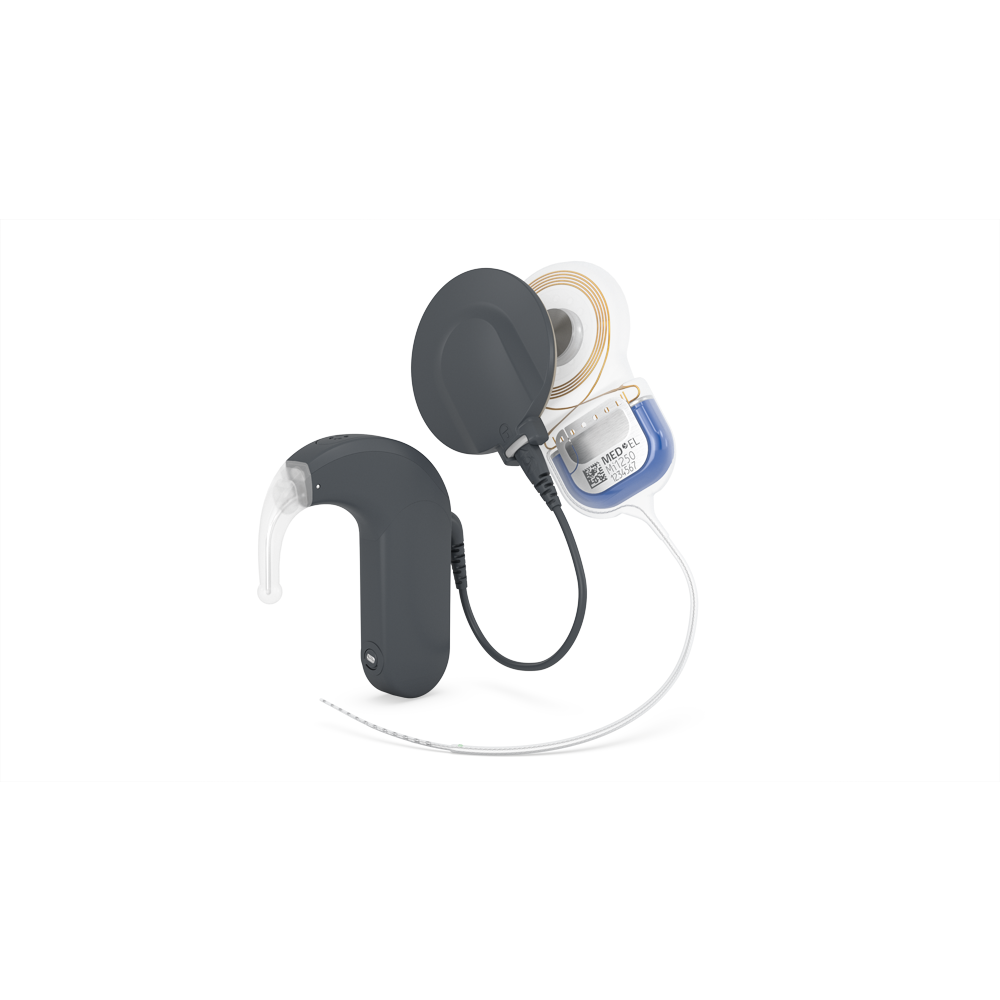
Cochlear Implants: In cases of severe to profound hearing loss, where hearing aids may not provide sufficient benefit, cochlear implants offer a life-changing alternative. These implantable devices bypass damaged parts of the inner ear and directly stimulate the auditory nerve, providing the brain with sound signals. For infants and children, cochlear implantation, coupled with intensive rehabilitation, can open up a world of sound and facilitate the development of spoken language.
The overarching principle guiding all treatment approaches is the emphasis on early action. Timely diagnosis and intervention are undeniably the most significant factors in improving a child’s communication abilities and overall developmental outcomes.
Empowering Parents: The Next Steps for Concerned Caregivers
If you harbor concerns about your baby’s hearing, taking proactive steps is paramount. The journey through understanding and addressing infant hearing loss can feel daunting, but with early diagnosis, expert guidance, and the right support systems, children can develop robust communication skills and thrive.
Here’s what parents should do next:
- Consult a healthcare professional: Discuss your concerns with your pediatrician or family doctor. They can provide initial guidance and refer you to appropriate specialists.
- Schedule a hearing evaluation: If recommended, arrange for a comprehensive diagnostic hearing test with an audiologist.
- Understand the results: Work closely with the audiologist to fully comprehend the nature and degree of any hearing loss.
- Explore intervention options: Discuss the various treatment and support strategies available, including early intervention programs, hearing aids, or cochlear implants, based on the diagnosis.
- Connect with support networks: Engaging with organizations and support groups for families of children with hearing loss can provide invaluable emotional and practical assistance.
Frequently Asked Questions About Infant Hearing Loss
What are the early signs of hearing loss in infants?
Early signs can include not startling at loud sounds, not turning toward voices, not responding to their name, delayed babbling, or delayed speech development. Signs can vary by age, so it is important to watch hearing and communication milestones over time.
What does it mean if my baby does not pass the newborn hearing screening?
A "refer" result means your baby needs follow-up testing. It does not always mean permanent hearing loss, but it is important to schedule the next evaluation promptly so doctors can better understand your baby’s hearing needs.
Can a baby pass screening and still have hearing loss?
Yes. A baby can pass a newborn hearing screening and still develop hearing loss later. This is called delayed-onset or progressive hearing loss, which is why parents should continue monitoring hearing, speech, and language milestones as their child grows.
What causes hearing loss in babies?
Hearing loss in babies can be caused by genetics, infections during pregnancy, prematurity, NICU-related factors, jaundice, structural differences in the ear, or temporary conditions such as fluid or ear infections. In some cases, the exact cause is not known.

How is hearing loss in infants treated?
Treatment depends on the cause and severity of the hearing loss. Options may include medical treatment, hearing aids, cochlear implants when appropriate, speech and language support, and follow-up care with hearing specialists. Early intervention can help support communication and language development.
© MED-EL Medical Electronics. All rights reserved. The content on this website is for general informational purposes only and should not be taken as medical advice. Contact your doctor or hearing specialist to learn what type of hearing solution suits your specific needs. Not all products, features, or indications are approved in all countries.