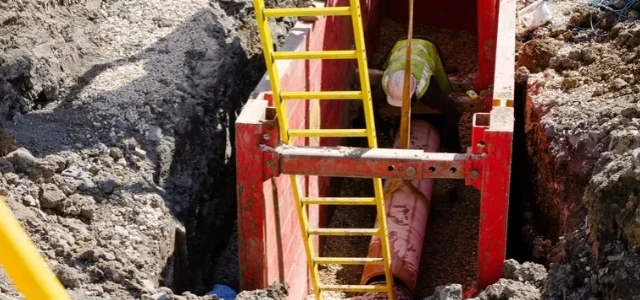
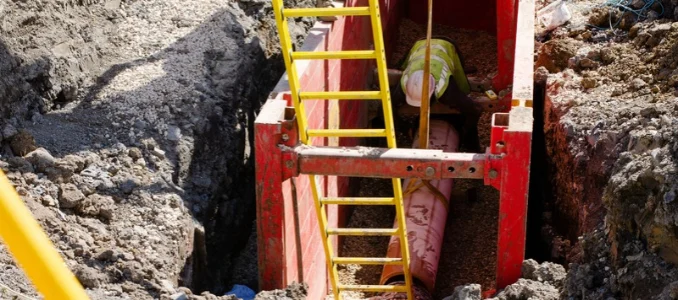
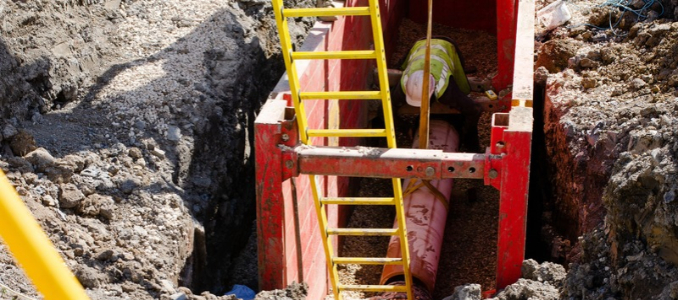
The incident occurred during the installation of a storm sewer system. According to investigative reports, a trench measuring 12 feet in depth collapsed, burying an employee beneath a mass of soil. Despite the inherently dangerous nature of deep-trench work, federal regulators allege that the company failed to implement the most fundamental protections required by law. The aftermath of this tragedy serves as a grim reminder of the persistent risks inherent in the construction industry and the critical importance of regulatory compliance.
Chronology of the Investigation
The sequence of events leading to the regulatory action began on April 2, when OSHA inspectors arrived at the site to initiate an investigation. The agency’s subsequent findings suggest a pattern of negligence that extended beyond a single oversight.

Following the initial site visit, OSHA investigators meticulously reconstructed the conditions leading up to the collapse. The investigation determined that the trench was devoid of adequate protective systems, such as shoring, shielding, or sloping, which are mandatory for excavations of that depth. The documentation process included interviews with surviving crew members, analysis of the soil composition, and an assessment of the safety protocols in place—or lack thereof—on the day of the fatality.
By the time the investigation concluded, OSHA had classified several of the findings as "willful," a designation reserved for cases where an employer either knowingly failed to comply with a legal requirement or acted with plain indifference to employee safety. The resulting citations, issued in the months following the initial inspection, highlight systemic failures in the company’s approach to site management.

Breakdown of Regulatory Violations
The $254,884 penalty reflects the gravity of the citations, which span several categories of safety standard violations. At the core of the case are the allegations regarding a lack of "competent person" oversight. Under OSHA standards, a competent person is defined as someone capable of identifying existing and predictable hazards in the surroundings and who has the authorization to take prompt corrective measures to eliminate them.
OSHA alleges that J.D. Wagoner Excavating repeatedly failed to assign such a person to the site. This failure meant that daily inspections—a mandatory practice for ensuring trench stability as weather, traffic, and soil conditions change—were either neglected or performed by individuals lacking the necessary qualifications.

The list of serious violations is extensive:
- Absence of Cave-in Protection: The primary cause of the incident was the failure to utilize a trench box or appropriate sloping techniques, leaving the worker exposed to an unprotected wall.
- Inadequate Egress: Investigators found that workers lacked a safe and accessible way to exit the excavation, which would have been critical in the event of an emergency.
- Hazardous Proximity of Materials: Equipment and heavy materials were found stored within two feet of the trench edge. This creates a surcharge load that increases the risk of a wall failure and poses a danger to workers below if items roll or fall into the hole.
- Training Deficiencies: Employees had not received the required hazard-prevention training, leaving them ill-equipped to recognize the signs of an impending collapse or to react correctly when conditions became dangerous.
Industry Context: The High Cost of Trenching Hazards
Trenching and excavation are among the most hazardous activities in the construction industry. Data from the Bureau of Labor Statistics (BLS) consistently identifies trenching as a high-risk operation, with cave-ins presenting the greatest risk of fatality. While soil is heavy—a cubic yard of soil can weigh as much as a car—it is the unpredictability of a collapse that makes trench work so lethal.

A trench can collapse in milliseconds, trapping workers before they have any chance to escape. Because the weight of the displaced earth crushes the chest and limits the ability to breathe, the window for a successful rescue is extremely narrow. Consequently, the industry standard is to treat every trench five feet or deeper as a potential death trap, requiring protective measures regardless of the soil type or the perceived stability of the walls.
OSHA’s focus on this incident aligns with their broader "National Emphasis Program" on trenching and excavation. This program directs inspectors to prioritize worksites where they observe excavation activities, granting them the authority to stop work if they identify imminent dangers. The severity of the penalty proposed for J.D. Wagoner Excavating reflects the agency’s commitment to penalizing employers who ignore these well-established, life-saving protocols.

Implications and Employer Recourse
The issuance of these citations is not the end of the legal process. The employer, Jonas David Wagoner, maintains the right to contest the findings. According to agency protocols, the employer has 15 business days following the receipt of the citations to request an informal conference with an OSHA area director. During this meeting, the employer can discuss the violations, provide additional evidence, or negotiate the terms of the penalty.
Should the employer remain dissatisfied with the outcome of the informal conference, they may file a formal notice of contest with the Occupational Safety and Health Review Commission (OSHRC). The OSHRC is an independent federal agency, separate from OSHA, that serves as a court of law to adjudicate disputes between the government and employers regarding workplace safety violations. If the case proceeds to the commission, an administrative law judge will review the evidence and issue a ruling, which can then be appealed to the federal courts.

Moving Toward a Culture of Safety
For the construction industry at large, the J.D. Wagoner case serves as a sober reminder of the human and financial costs of non-compliance. Beyond the potential for massive financial penalties and protracted legal battles, the loss of a life creates an indelible mark on a company’s reputation and the morale of its workforce.
OSHA emphasizes that its role is not merely punitive but also advisory. The agency provides extensive resources for contractors, including:

- Compliance Assistance Specialists: These experts are available in regional offices to provide free guidance on how to interpret and implement safety standards on site.
- Online Training Modules: OSHA offers digital resources that cover everything from soil classification to the proper installation of hydraulic shoring systems.
- Safety Consultations: Many states offer on-site consultation programs that allow small businesses to identify hazards without the threat of immediate citations, provided the employer agrees to correct the identified risks.
Ultimately, the goal of federal safety oversight is to ensure that every worker returns home safely at the end of their shift. When an employer fails to meet these obligations, the resulting regulatory action is intended to serve as a deterrent to others in the industry. As the construction sector continues to grapple with labor shortages and the pressure to meet project deadlines, the importance of maintaining a "safety-first" culture cannot be overstated. The tragedy in Pennsylvania stands as a definitive case study in the necessity of vigilant supervision, proper training, and the non-negotiable requirement of protecting those who work in the trenches.