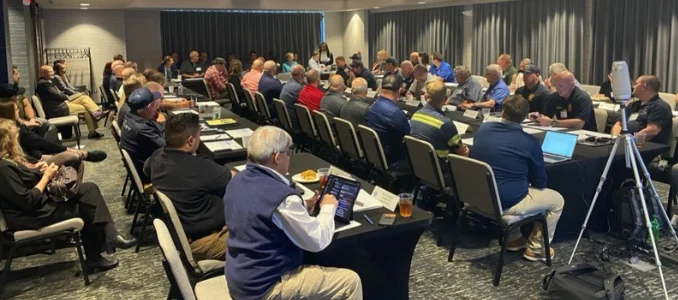
Hosted at a facility operated by Brenntag North America, the exercise brought together a cross-section of the chemical supply chain, including representatives from Alliance for Chemical Distribution (ACD) members such as CITCO Water and LBB Specialties. By simulating a multi-faceted incident, organizers aimed to refine communication protocols and interagency cooperation—two variables that often dictate the success of real-world emergency responses.
The Anatomy of the Simulated Crisis
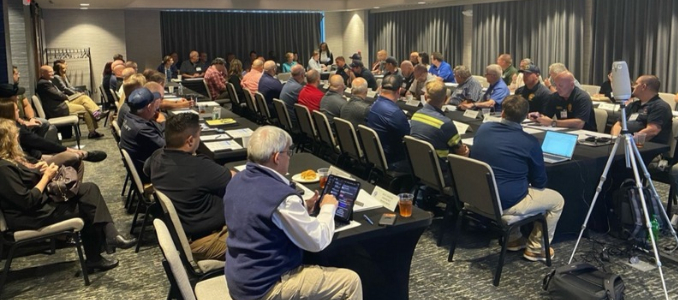
The exercise employed a "tabletop" methodology, a form of discussion-based training where participants work through a hypothetical scenario. Unlike a full-scale field exercise, which involves physical deployment of assets, this format allows stakeholders to explore the "why" and "how" of decision-making in a controlled, low-risk environment.
The scenario was engineered to be comprehensive. It required participants to manage the lifecycle of a chemical incident, beginning with pre-incident information sharing—such as threat intelligence and anomaly detection—and progressing through the chaotic initial response phase. Participants were forced to grapple with immediate life-safety issues, such as evacuation protocols for surrounding residential areas and the coordination of specialized hazardous materials teams.
Beyond the immediate tactical response, the exercise pushed participants to consider the secondary and tertiary impacts of a chemical leak or breach. This included addressing physical security vulnerabilities, managing public communications, and developing business continuity plans to ensure the stability of the supply chain in the wake of a facility shutdown. By simulating these pressures, the exercise highlighted the interdependencies between private industry and public sector emergency management.

Strategic Context and Industry Preparedness
The chemical industry serves as the backbone of the American economy, supplying materials essential for water treatment, pharmaceuticals, manufacturing, and agriculture. However, the inherent risks associated with handling, storing, and transporting hazardous materials necessitate rigorous safety and security protocols.
CISA’s involvement underscores the importance of the Chemical Sector-Specific Plan (SSP), which aims to protect critical infrastructure from both man-made threats and accidental disasters. According to the Department of Homeland Security, the chemical sector is classified as a critical infrastructure pillar because a significant disruption could have cascading effects on the nation’s supply chain and public health.
The Alliance for Chemical Distribution has emphasized that this specific exercise in West Virginia was part of an ongoing, proactive preparedness strategy rather than a reactionary measure to an immediate threat. In the modern security landscape, organizations are moving away from reactive planning toward a continuous cycle of assessment. By testing coordination before a crisis occurs, stakeholders can identify "gaps in the seam"—points where communication between private entities and local responders might falter.

Chronology of Collaborative Response
The exercise followed a structured timeline that mirrored a realistic emergency progression:
- Phase One: Pre-Incident Detection and Coordination: Participants reviewed intelligence-sharing protocols. This phase focused on how private companies communicate potential threats or anomalies to federal authorities and how local law enforcement receives that information.
- Phase Two: The Incident Trigger: The scenario introduced a simulated chemical release, testing the immediate activation of Emergency Operations Centers (EOCs).
- Phase Three: Response and Tactical Containment: The simulation tested the deployment of specialized teams, the establishment of incident command structures, and the management of real-time safety data.
- Phase Four: Evacuation and Public Information: This segment focused on the complex logistics of clearing neighborhoods and the dissemination of accurate, timely information to prevent public panic.
- Phase Five: Recovery and Business Continuity: The final phase analyzed the transition from response to recovery, including the restoration of infrastructure and the legal and environmental considerations for resuming operations.
Data-Driven Perspectives on Incident Management
While the specific results of the Nitro exercise are internal to the participating agencies, data from previous CISA-led sector exercises provide insight into the common challenges identified in these environments.
According to reports on infrastructure resilience, the most frequent failure points in large-scale emergencies are not usually technical, but rather related to "interoperable communication." In a crisis, private sector radio frequencies, local police digital channels, and federal satellite networks often struggle to synchronize. Exercises like the one in West Virginia are critical because they force these different entities to establish a "common operating picture" before the physical infrastructure is actually tested.

Furthermore, the integration of private companies like Brenntag, CITCO Water, and LBB Specialties into the public response framework is essential. Because these companies possess the technical knowledge of the chemical properties of the substances involved, they serve as the primary subject matter experts during a crisis. Their ability to provide rapid technical data to first responders can mean the difference between a contained incident and a wide-scale environmental catastrophe.
Perspectives from the Field
While no specific statements were released regarding the individual performance of companies during the event, representatives from the chemical distribution sector have consistently highlighted the value of these exercises. For firms like Brenntag North America, participating in CISA-led training allows them to align their internal safety protocols—which are often subject to strict regulatory oversight—with the public safety priorities of local government.
"Coordination is the invisible thread that holds emergency management together," noted an industry observer familiar with the exercise. "When you have private industry, state agencies, and federal regulators in the same room, you eliminate the assumptions that lead to disaster. You learn what the other person’s constraints are, and you build a mutual aid framework that is ready to go on day one."

Implications for Future Infrastructure Security
The implications of the West Virginia exercise extend beyond the state lines. As industrial processes become more automated and interconnected, the physical security of chemical facilities is increasingly linked to cybersecurity. Future iterations of these exercises are expected to place greater emphasis on the intersection of physical spills and cyber-enabled breaches, where an attacker might attempt to manipulate facility controls to cause a physical release.
The success of the Nitro event suggests a shift toward a "whole-of-community" approach to resilience. By involving private sector partners as active participants rather than observers, CISA is ensuring that the private entities responsible for the storage and transit of chemicals are fully integrated into the nation’s broader defensive posture.
As the chemical industry continues to face evolving threats, the lessons learned from the West Virginia tabletop will be codified into updated standard operating procedures. These procedures will eventually inform the training of first responders across the country, creating a ripple effect of improved safety. The exercise serves as a stark reminder that in the high-stakes world of chemical distribution, preparation is not just a regulatory box to check—it is a critical component of national security.

In conclusion, the exercise in Nitro demonstrated that the partnership between the federal government and the chemical industry remains a cornerstone of domestic preparedness. By simulating the "full arc" of an incident, participants were able to pressure-test their capabilities, identify potential communication silos, and strengthen the interagency bonds that are vital for protecting the public in the event of an unforeseen crisis. As the industry moves forward, the insights gained from this collaborative effort will undoubtedly play a key role in refining how the United States manages the risks associated with its essential chemical infrastructure.