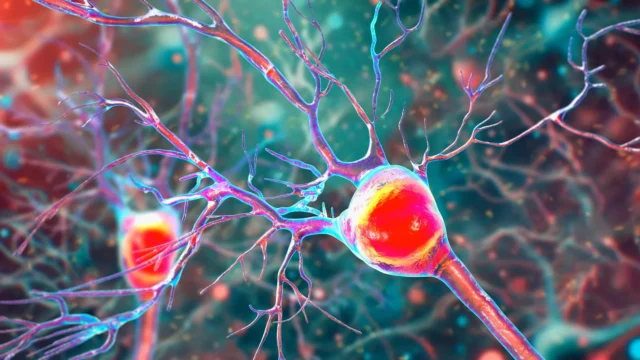

The findings, published in the journal Aging and Disease, provide a stark warning about the long-term neurological consequences of the global obesity epidemic. While the link between metabolic dysfunction and late-life dementia is well-documented, this research shifts the timeline of intervention, suggesting that the "silent" phase of brain decline begins in early adulthood. Central to these findings is the role of choline, an essential nutrient that the study found to be critically low in obese participants, further exacerbating the risk of brain cell injury and liver stress.
The Metabolic-Cognitive Connection: A New Frontier in Early Detection
For years, the scientific community has viewed Alzheimer’s disease primarily through the lens of aging. However, a growing body of evidence suggests that the brain does not fail in isolation. Instead, it is the target of cumulative "hits" from the body’s metabolic and vascular systems. Conditions such as high blood pressure, insulin resistance, and obesity create a state of chronic low-grade inflammation. This systemic stress eventually breaches the blood-brain barrier, leading to the degradation of neurons.
The ASU-led study sought to determine if these "hits" were measurable in a younger population. By focusing on adults in their prime—ages 20 to 39—the researchers aimed to identify the earliest signs of biological shift. The results were definitive: obesity in young adulthood is not merely a risk factor for future heart disease or diabetes; it is actively altering the biochemical landscape of the brain in real-time.
Methodology and the Identification of Key Biomarkers
The study utilized a controlled design involving 30 participants, divided into two cohorts: those with a Body Mass Index (BMI) categorized as obese and those within a healthy weight range. To ensure accuracy, the team utilized fasting blood samples to measure a comprehensive suite of biomarkers, including:
- Neurofilament Light Chain (NfL): A structural protein found inside neurons. When brain cells are damaged or die, NfL leaks into the cerebrospinal fluid and eventually the bloodstream. It is currently considered one of the most sensitive markers for early neurodegeneration.
- Choline Levels: A vital nutrient required for the synthesis of acetylcholine (a neurotransmitter essential for memory) and the maintenance of cell membrane integrity.
- Inflammatory Cytokines: Proteins such as C-reactive protein (CRP) and various interleukins that signal systemic inflammation.
- Liver Enzymes and Insulin: Measures of metabolic strain, including liver stress and the body’s ability to process glucose.
The data revealed that the obese group had significantly higher concentrations of NfL in their blood compared to their healthy-weight peers. Even more concerning was the fact that these elevated NfL levels closely mirrored the patterns seen in older cohorts diagnosed with Mild Cognitive Impairment (MCI). This suggests that the "biological age" of the brain in obese young adults may be advancing faster than their chronological age.
The Choline Crisis: An Essential Nutrient in Short Supply
One of the most significant takeaways from the research is the critical deficiency of choline among participants with obesity. Choline is often referred to as a "hidden" nutrient because, while the liver produces small amounts, the vast majority must be obtained through diet. It plays a dual role in the body: it helps the liver export fats (preventing fatty liver disease) and acts as a precursor to chemicals that dampen inflammation in the brain.
The study found that participants with the lowest choline levels also exhibited the highest levels of NfL and inflammatory markers. "This research adds to the growing evidence that choline is a valuable marker of metabolic and brain dysfunction," noted Ramon Velazquez, the study’s lead author and an assistant professor at the ASU-Banner Neurodegenerative Disease Research Center.
According to National Health and Nutrition Examination Survey (NHANES) data, approximately 90% of the American population does not meet the recommended daily intake of choline. For men, the adequate intake (AI) is 550 mg per day, and for women, it is 425 mg per day. The ASU study highlights that for those struggling with obesity, this deficiency may be even more pronounced, creating a "perfect storm" where the body lacks the tools to repair the damage caused by metabolic stress.
The Gender Gap in Cognitive Aging
The research also highlighted a notable disparity between genders. Women in the study were found to have lower circulating choline levels than men. This finding is particularly relevant given that women represent nearly two-thirds of all Alzheimer’s cases worldwide.
Scientists have long theorized that hormonal changes, particularly the drop in estrogen during menopause, contribute to this increased risk. However, the ASU study suggests that the groundwork for this vulnerability may be laid much earlier through nutritional and metabolic pathways. If young women are entering their middle years with already depleted choline stores and higher levels of systemic inflammation, their resilience against late-life neurodegeneration is significantly compromised.
Implications for Modern Weight-Loss Treatments
The study arrives at a pivotal moment in public health, as the use of GLP-1 receptor agonists—such as semaglutide (Ozempic/Wegovy) and tirzepatide (Mounjaro)—has skyrocketed. While these medications are highly effective at inducing weight loss and improving cardiovascular health, they work primarily by suppressing appetite and slowing gastric emptying.
The researchers raised a cautionary note regarding these "miracle" drugs. Because patients on GLP-1 medications eat significantly less food, they are at an increased risk of nutritional deficiencies. If a patient is already choline-deficient, a further reduction in food intake could exacerbate the very brain-stress markers the ASU study identified.
"Adding choline-rich foods to your routine can help reduce inflammation and support both your body and brain as you age," said Wendy Winslow, the study’s first co-author. The researchers advocate for a "precision nutrition" approach, where weight-loss therapies are paired with targeted nutrient supplementation to ensure that the brain is protected even as the body loses weight.
Chronology of Research: From Rodents to Humans
The human findings published in Aging and Disease are the culmination of years of preclinical work. Previously, Dr. Velazquez and his team conducted extensive studies on rodent models, which provided the mechanistic evidence for this human trial.
- Phase 1 (Preclinical): Rodent studies demonstrated that a choline-deficient diet led to the development of Alzheimer’s-like pathology, including the buildup of amyloid-beta plaques and memory impairment.
- Phase 2 (Cross-generational): Research showed that supplemental choline in mother mice could protect the offspring from developing cognitive deficits later in life, suggesting an epigenetic component to choline’s benefits.
- Phase 3 (Current Human Study): The team transitioned to human subjects to see if the markers identified in mice—specifically the link between low choline, obesity, and NfL—held true in a clinical setting.
The consistency between the animal models and the young adult human cohort provides a high degree of confidence in the results, reinforcing the idea that metabolic health and nutrition are the primary levers for brain longevity.
Institutional Perspectives and Collaborative Efforts
The study represents a massive collaborative effort between Arizona’s leading scientific institutions. The ASU School of Life Sciences provided the biological framework, while the Banner Sun Health Research Institute contributed expertise in neurodegenerative markers. The Mayo Clinic’s involvement ensured that the metabolic testing met the highest clinical standards.
"Our results suggest that, in young adults, good metabolic health and adequate choline contribute to neuronal health, laying the groundwork for healthy aging," stated Jessica Judd, a co-author of the study. The consensus among the participating institutions is that the medical community must move toward earlier screening. Measuring NfL and choline levels during routine physicals for young adults with high BMI could identify those at the highest risk for cognitive decline decades before the first signs of memory loss appear.
Analysis: The Economic and Social Impact of Early Neurodegeneration
The implications of this study extend beyond individual health. Alzheimer’s disease and related dementias cost the global economy over $1 trillion annually, a figure expected to double by 2050. Most of these costs are associated with late-stage care. However, if the "pathological clock" starts in one’s 20s, the economic argument for aggressive early intervention becomes undeniable.
By focusing on accessible interventions—such as increasing the consumption of choline-rich foods like eggs, cruciferous vegetables, and legumes—public health officials could potentially delay the onset of cognitive symptoms by years. Research suggests that delaying the onset of Alzheimer’s by just five years could reduce the prevalence of the disease by 50%.
Conclusion: A Call for Proactive Brain Health
The ASU study serves as a paradigm shift in how we perceive the relationship between the body and the mind. It proves that the brain is not a passive observer of our metabolic health; it is an active participant that suffers early and measurable damage when the body is in distress.
As the scientific community continues to unravel the complexities of the liver-brain axis, the message for the public is clear: metabolic health in youth is the ultimate insurance policy for the brain in old age. Ensuring adequate intake of essential nutrients like choline and managing obesity early in life are no longer just matters of physical appearance or cardiovascular fitness—they are essential strategies for preserving the very essence of human identity: our memory and cognition.