The Incident and Sequence of Events
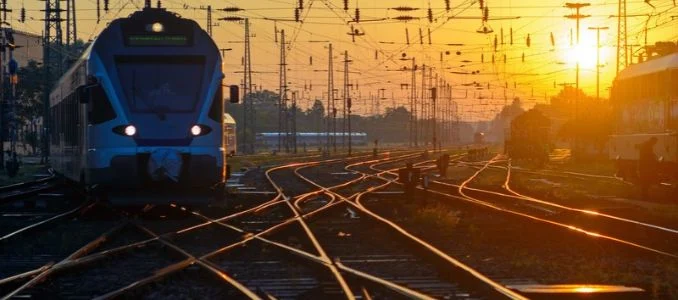
The incident occurred at a rail yard in North Little Rock, Arkansas, where the employee was engaged in routine operations. According to findings from OSHA’s whistleblower investigation, the worker observed lightning in the immediate vicinity of the rail yard. Recognizing the severe risk posed by electrical storms to personnel working around heavy machinery and electrified tracks, the yardman alerted management to the dangerous conditions.
Citing established federal safety guidelines and internal safety protocols regarding inclement weather, the employee ceased work operations until the lightning risk had subsided. The response from management was swift and, according to federal investigators, retaliatory. Within minutes of the work stoppage, the employee was removed from service. The railroad subsequently leveled charges of insubordination against the worker, which ultimately led to their formal dismissal.
The chronology of the investigation highlights a clear friction point between operational efficiency and safety compliance. While the railroad maintained that the employee’s actions constituted a refusal to perform assigned duties, OSHA’s investigators determined that the employee was acting in good faith to protect themselves and their colleagues from an imminent physical threat. By punishing the worker for invoking safety protocols, the railroad ran afoul of the protections afforded by the Federal Railroad Safety Act (FRSA).
Regulatory Context and the Federal Railroad Safety Act
The FRSA is a critical piece of legislation designed to ensure that railroad workers can report safety violations or refuse to work in hazardous conditions without fear of retribution. Under Section 20109 of the Act, rail carriers are strictly prohibited from discharging, demoting, suspending, or discriminating against an employee for engaging in protected activities.

This includes the refusal to work in situations where an employee reasonably believes that:
- A condition or practice constitutes a violation of a federal law, rule, or regulation related to railroad safety or security.
- The working condition presents an imminent danger of death or serious injury, and the employee has sought assistance from their employer to correct the condition, but no resolution was provided.
OSHA’s finding in the Union Pacific case underscores the agency’s commitment to enforcing these protections. In the eyes of federal regulators, the presence of lightning near a rail yard—a site filled with conductive metal and heavy equipment—is a textbook example of a hazardous condition that warrants a temporary work stoppage. By dismissing the employee for prioritizing life-safety over the movement of freight, Union Pacific is accused of fostering a culture of intimidation that undermines the very safety standards the industry is legally required to uphold.
Financial and Administrative Repercussions
The order issued by OSHA is not merely symbolic; it represents a significant financial penalty and a rigorous administrative requirement. The $304,869 figure is a calculation based on the economic losses suffered by the worker during their period of unemployment. By including attorney fees, the DOL is signaling that companies will be held accountable for the costs incurred by whistleblowers who must fight to regain their livelihoods.

Furthermore, the requirement to purge the employee’s personnel records of any mention of insubordination is vital. In the railroad industry, a disciplinary record—particularly one involving allegations of insubordination—can effectively blacklist a worker from future employment at other rail carriers. By ordering the removal of these records, OSHA seeks to restore the worker’s professional reputation and eliminate the long-term career damage caused by the termination.
Union Pacific’s Stance and the Path Forward
Union Pacific has formally disputed the findings of the OSHA investigation. The company has exercised its legal right to request a hearing before an administrative law judge within the Department of Labor. This move signals that the railroad intends to contest the evidence presented by OSHA, likely arguing that the termination was based on legitimate operational concerns rather than retaliatory intent.
In similar high-profile cases involving the rail industry, companies often argue that the employee failed to follow the correct chain of command or that the weather conditions did not meet the threshold for a "reasonable" refusal to work. However, federal investigators are typically rigorous in their evaluation of whether the employee’s perception of danger was reasonable at the time of the incident. The forthcoming hearing will serve as an adjudicatory forum where both sides will present testimony, safety records, and meteorological data to determine if the railroad’s actions violated the FRSA.
Industry Implications and Broader Safety Trends
This case serves as a broader bellwether for the railroad industry, which has faced mounting pressure from labor unions and federal regulators regarding safety practices, staffing levels, and working conditions. The phenomenon of "Precision Scheduled Railroading" (PSR), an operational model adopted by many major carriers, has been criticized by some labor organizations for prioritizing throughput at the expense of employee welfare and safety.
When workers feel pressured to ignore safety concerns to keep trains moving, the risk of accidents increases. Statistics from the Federal Railroad Administration (FRA) have long shown that human factors are a leading cause of rail accidents. By protecting the rights of whistleblowers, OSHA aims to empower front-line employees to act as the final line of defense against preventable accidents.
The outcome of this dispute will likely be watched closely by labor advocates and industry executives alike. If OSHA’s order is upheld by an administrative law judge, it will reinforce the precedent that the FRSA provides robust protection for workers who prioritize safety. Conversely, if the railroad succeeds in overturning the order, it may encourage companies to take a more aggressive stance in managing employees who halt work due to safety concerns.

The Role of OSHA in Rail Safety
While the FRA maintains primary jurisdiction over rail safety, OSHA’s role is essential in protecting the workers who execute those safety mandates. The collaboration between these agencies ensures that the legal frameworks governing railroads are not just words on a page, but are enforceable standards that dictate real-world behavior.
The anonymity of the whistleblower in this case is a standard procedure intended to prevent further retaliation or stigmatization. The DOL’s insistence on this policy reflects a recognition that whistleblowing in the rail industry often carries significant social and professional costs. Employees who stand up to large, well-funded corporations often find themselves in precarious financial situations, making the DOL’s role in providing legal and financial support essential.
Analyzing the "Reasonable Belief" Standard
The core of the legal argument will likely revolve around the "reasonable belief" standard. The law does not require that a worker be definitively correct that a specific condition will lead to an accident; it only requires that a reasonable person in the employee’s position would have believed that the situation posed a safety risk.
Lightning in a rail yard is widely acknowledged as a severe hazard. Railway workers frequently interact with locomotive components, signal systems, and metal infrastructure that can conduct electricity. In the event of an electrical storm, the risk of a strike to ground personnel is significantly elevated. Therefore, the argument that an employee was being "insubordinate" by refusing to stand in an open rail yard during a lightning storm faces a high evidentiary bar. To successfully defend the termination, Union Pacific will need to prove that the employee’s refusal was a bad-faith attempt to avoid work rather than a genuine safety precaution.
Conclusion
The conflict between Union Pacific and the Department of Labor highlights the ongoing tension between operational demands and the protection of worker safety. As the case proceeds to an administrative hearing, the details of the incident will be further scrutinized, providing more clarity on the balance of power between rail carriers and their workforce. Regardless of the final outcome of the hearing, the case serves as a stark reminder that federal whistleblower protections are a cornerstone of workplace safety, ensuring that employees have the agency to stop work when they perceive a threat to their lives. The $304,869 order stands as a clear signal from the government that the cost of silencing safety concerns is a price that corporations should be prepared to pay.