A Landmark Legal Victory in Police Accountability
The most significant development announced by the NAD legal team is a successful settlement in a high-profile civil rights case involving a deaf mother and her two minor daughters. Brittany Shrader, Esq., Director of Legal Services, confirmed that the organization secured a $1.2 million settlement following an incident in which a law enforcement officer failed to provide effective communication during a police interaction.
The incident, which resulted in the wrongful arrest of the mother, occurred when a masked officer—hindering the mother’s ability to lip-read—refused to provide a qualified interpreter. Furthermore, the officer inappropriately attempted to utilize the woman’s 11-year-old twin daughters as ad-hoc interpreters. This practice is explicitly discouraged and often prohibited by the Americans with Disabilities Act (ADA) and Department of Justice (DOJ) guidelines, which mandate the use of professional, qualified personnel to ensure clear communication in high-stakes legal or law enforcement environments.
The $1.2 million settlement serves as a potent warning to law enforcement agencies nationwide regarding the liability associated with failing to adhere to federal disability access standards. By leveraging this case, the NAD aims to underscore that relying on children for communication in legal settings is not only ineffective but fundamentally traumatic and discriminatory. This victory is expected to bolster the NAD’s broader portfolio of litigation, which includes an ongoing, high-profile lawsuit against the White House regarding the provision of consistent, accessible communication for the deaf and hard-of-hearing community.
Blueprint for Excellence in Deaf Education
Educational reform remains a cornerstone of the NAD’s strategic vision. Dr. Marla Hatrak, an Educational Policy Consultant for the organization, is spearheading the "Blueprint on Excellence in Deaf Education" (BEDE) initiative. This project is designed to address systemic inequities in the American school system, where deaf students frequently face barriers to language acquisition and academic achievement.
The BEDE initiative seeks to provide a comprehensive framework for policymakers and educators to improve the quality of instruction and support services for deaf students. Dr. Hatrak’s upcoming workshop at the 2026 NAD Conference will focus on operationalizing these strategies, moving from policy theory to tangible classroom improvements. The NAD maintains that the current national system of deaf education requires a radical overhaul to ensure that students have access to both American Sign Language (ASL) and English, alongside culturally competent educational environments.
The 58th Biennial Conference: A Hub for Advocacy and Strategy
As the organization gears up for the 58th Biennial Conference in San Francisco, logistical preparations are nearing a critical threshold. Nancy Bloch, Assistant to the Interim CEO, reported that hotel room blocks have already reached 60% capacity, signaling strong attendance projections. The conference serves as the primary venue for the NAD’s business meetings, where the Council of Representatives determines the organization’s advocacy priorities for the next two years.
The event, scheduled for the summer of 2026, is expected to host thousands of attendees, including educators, legal professionals, youth leaders, and community members. Beyond the administrative business of the organization, the conference will feature extensive workshops, exhibits, and networking opportunities designed to foster cross-sector collaboration. The May 20 registration deadline is approaching, and the NAD has urged participants to finalize their travel arrangements promptly to ensure accommodation within the designated conference blocks.
Empowering the Next Generation of Deaf Leadership
A vital component of the NAD’s mission is the cultivation of youth talent. Claudia Giordano, Director of Youth Programs, detailed three specific initiatives currently underway: the Youth Leadership Camp (YLC), the Jr. NAD Pages program, and the biennial College Bowl.
The Youth Leadership Camp, held in the Pacific Northwest, serves as a hub for 64 campers to refine their leadership skills through rigorous teamwork and outdoor engagement. By facilitating interaction with national leaders and trainers, the YLC aims to build a pipeline of future advocates. Simultaneously, the Jr. NAD Pages program provides students aged 13 to 17 with an immersive experience at the national conference. These students are given an inside look at how the Council of Representatives operates, gaining an understanding of legislative processes and the mechanisms of advocacy.
The College Bowl, a highly anticipated biennial competition, continues to serve as a platform for academic excellence and camaraderie among deaf university students. By pitting teams against one another in a contest of knowledge and rapid-fire problem solving, the NAD promotes a culture of intellectual engagement. Collectively, these programs are designed to empower deaf youth, providing them with the tools necessary to navigate and influence the political and social landscapes of the future.
Institutional Transition and Continuity
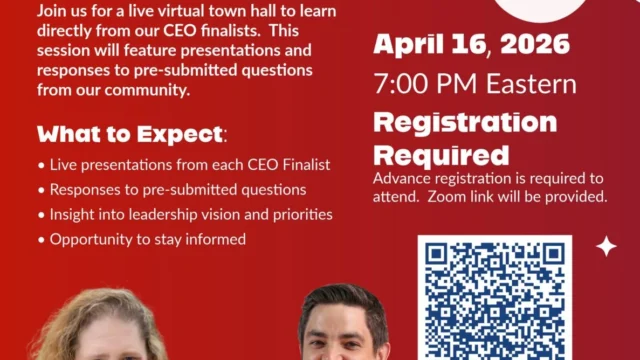
As the organization prepares for the upcoming conference, the internal focus remains on stable leadership transition. Dr. Scoggins, who has served as the Interim CEO, is overseeing the final stages of the executive search process. Her role has been critical in stabilizing the organization during a period of transition, ensuring that the NAD Board, staff, and volunteers remain aligned with the organization’s long-term objectives.
Dr. Scoggins confirmed that she will remain in her position to support the incoming CEO through July 31, 2026. This handover period is intended to ensure that the momentum generated by the current advocacy projects—such as the legal fight for accessibility and the rollout of the BEDE initiative—continues without interruption. The collaborative efforts between the NAD and local California-based organizations have been instrumental in the success of the conference planning, setting a collaborative tone for the biennial gathering.
Fact-Based Implications for the Future
The implications of these developments extend far beyond the immediate news cycle. The successful settlement of the police communication lawsuit suggests that the NAD is entering a more aggressive phase of litigation regarding ADA compliance. By securing substantial damages, the organization is creating a financial disincentive for public agencies to ignore the rights of deaf citizens.
Furthermore, the emphasis on the "Blueprint on Excellence in Deaf Education" reflects a pivot toward addressing the root causes of educational disparities. By shifting the conversation toward national standards, the NAD is positioning itself as a primary consultant in educational policy reform.
As the organization moves toward its biennial conference, the data regarding attendance and youth engagement suggest that the NAD remains a central pillar of the American deaf community. The organization’s ability to manage its legal, educational, and internal leadership challenges simultaneously will likely dictate its influence in Washington and beyond in the coming decade. With the transition to a new CEO imminent, the organization is currently in a phase of strategic consolidation, preparing to launch its next two-year agenda upon the conclusion of the San Francisco assembly.
Stakeholders, members, and the public are encouraged to consult the official nad.org portal for ongoing updates regarding the conference schedule, registration deadlines, and future policy announcements. The upcoming months will prove to be a defining period for the NAD as it seeks to solidify its position as the leading voice for the rights and empowerment of the deaf and hard-of-hearing community in the United States.