A Chronology of Early Auditory Intervention
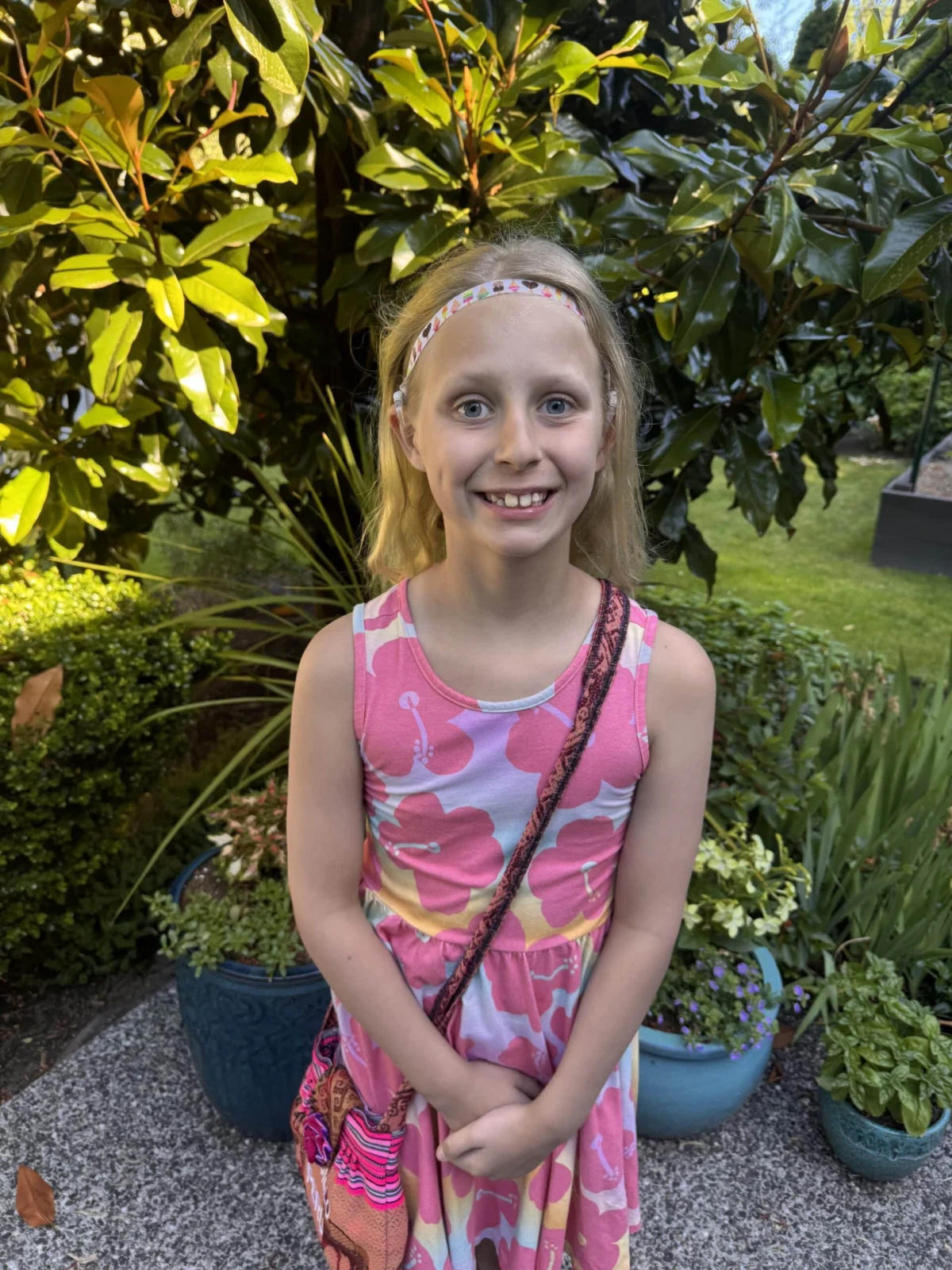
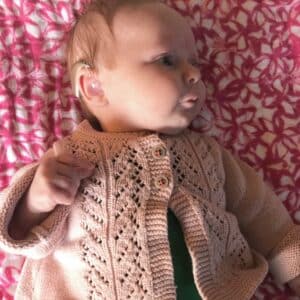
Marna Klein’s clinical timeline aligns with the gold-standard protocols recommended by leading organizations like the American Speech-Language-Hearing Association (ASHA). Following a diagnosis of hearing loss, Marna was fitted with her first set of hearing aids at just eight weeks of age. This initial step provided the necessary auditory access to begin the neuroplastic processes essential for speech and language acquisition.
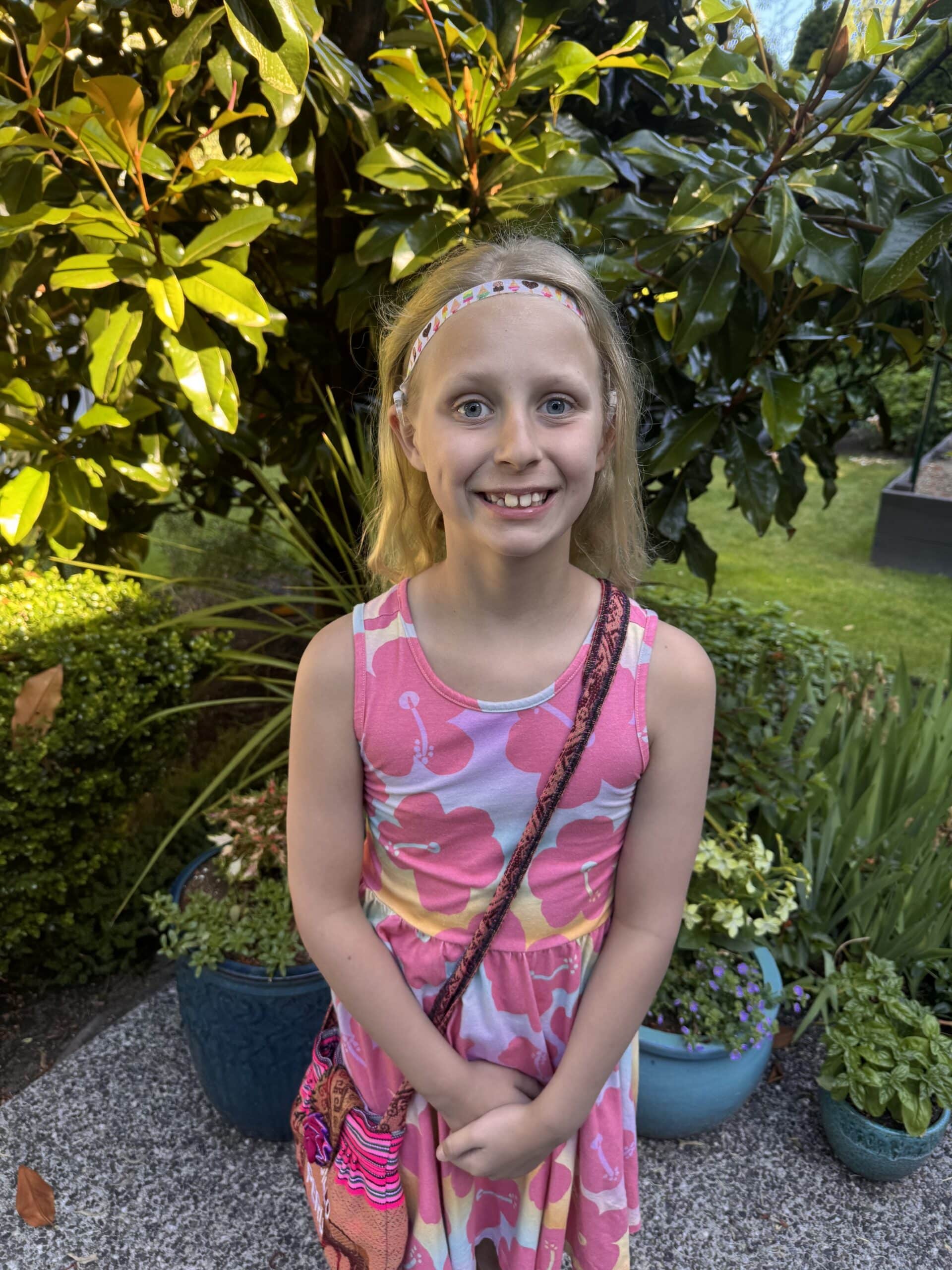
As her hearing needs evolved, the clinical team moved toward more robust solutions. At twelve months, Marna received her first cochlear implant (CI). The surgical procedure, which bypasses damaged portions of the ear to directly stimulate the auditory nerve, was followed by a second implant at age two. This transition to bilateral cochlear implants is widely recognized in the medical community as a significant factor in improving spatial hearing—the ability to localize sound—and speech recognition in noisy environments, such as classrooms or playgrounds.
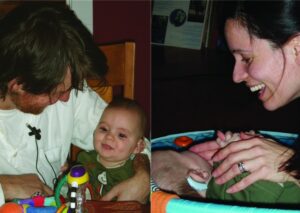
Simultaneously, the Klein family prioritized Listening and Spoken Language (LSL) therapy. By engaging with Listen and Talk’s Birth-to-3 program, the family received home-based instruction that translated clinical strategies into everyday activities. This parental involvement is a hallmark of successful LSL outcomes, as it creates a continuous "language-rich" environment that extends far beyond the therapy room.
The Impact of Blended Educational Environments
Between the ages of three and five, Marna transitioned into the Listen and Talk Blended Classroom program. Educational research has consistently demonstrated that the environment in which a child learns is as important as the clinical interventions they receive. Blended classrooms, which integrate students with hearing loss alongside those with typical hearing, provide a naturalistic setting for social-emotional growth.
For Marna, this environment served two distinct purposes. First, it offered a specialized pedagogical approach where educators are trained in the nuances of cochlear implant technology and the specific language needs of students with hearing loss. Second, it provided a social foundation. By interacting with peers who navigated similar challenges, Marna developed a sense of community that diminished the potential isolation often felt by children with hearing impairments.
The psychological benefit of this upbringing is evident in her current self-advocacy. By growing up in an environment that celebrated her hearing technology, Marna learned to articulate her needs to teachers and peers, an essential skill for long-term integration into mainstream educational systems and, eventually, the workforce.
The Broader Context of Hearing Loss in Youth
The statistics surrounding pediatric hearing loss highlight the necessity of the programs that supported Marna. According to the National Institute on Deafness and Other Communication Disorders (NIDCD), approximately 2 to 3 out of every 1,000 children in the United States are born with a detectable level of hearing loss in one or both ears. When these children receive intervention before the age of six months, they are significantly more likely to develop language skills at a rate comparable to their hearing peers.
The financial and societal implications of early intervention are profound. Longitudinal studies indicate that children who participate in intensive, early-stage auditory and language programs have higher rates of high school graduation, increased enrollment in post-secondary education, and greater career opportunities. Conversely, a lack of access to such programs can lead to significant developmental delays that persist throughout adulthood.
Advocacy and the Role of Alumni Giving
The success of programs like Listen and Talk is heavily reliant on philanthropic support. The current Alumni Family Giving Campaign, which Marna’s story helps illuminate, is designed to bridge the funding gap for families navigating the high costs associated with specialized auditory support.
Educational leaders and policy advocates emphasize that these campaigns are not merely fundraising efforts; they are strategic investments in human capital. By providing families with the resources to pursue LSL therapy and inclusive preschool programs, organizations ensure that the clinical advancements made in surgery—such as cochlear implants—are fully realized through functional, everyday communication.

"No child is limited by hearing loss," is the guiding vision of the current initiative, a sentiment that reflects a broader movement toward inclusive education. The shift is away from viewing hearing loss as a deficit and toward providing the necessary tools to allow children to participate fully in life, whether that involves academic excellence, athletic pursuits like lacrosse and soccer, or social engagement.
Implications for Future Policy and Practice
Marna’s active lifestyle—ranging from camping and hiking to participation in competitive youth sports—serves as a testament to the efficacy of current cochlear implant technology and pedagogical support. However, experts note that the "digital divide" remains a challenge. While families in urban centers may have access to specialized programs like Listen and Talk, many families in rural or underserved areas struggle to find the same level of consistent, high-quality care.
The implications for policymakers are clear: the integration of hearing health into early childhood education policy is a vital investment. Future efforts will likely focus on tele-therapy and remote monitoring to extend the reach of specialized educators to families who do not live within driving distance of a dedicated center.
Furthermore, the emphasis on self-advocacy training in these programs is gaining traction as a standard of care. It is no longer sufficient to provide a child with a device; they must be equipped with the confidence to manage that device, troubleshoot technical issues in real-time, and explain their needs to non-specialists. This social-emotional component is what differentiates "success" from "survival" in the lives of children with hearing loss.
Conclusion
The story of Marna Klein is representative of a new generation of children who, thanks to the intersection of medical science and dedicated early childhood education, are effectively bypassing the traditional limitations once associated with deafness. By moving from early diagnosis to intensive, home-integrated therapy and finally to inclusive classroom environments, she has developed the tools required for a full, vibrant life.
As the Alumni Family Giving Campaign continues its efforts, it highlights a broader societal imperative: the ongoing need to support the institutions that transform medical potential into human achievement. For Marna, the result is clear—she is not just a participant in her community; she is an active, engaged, and thriving individual, living life, as her family puts it, at full volume. The ongoing challenge for the field will be to ensure that the resources and pedagogical frameworks that supported Marna’s success are made accessible to every child, regardless of their background or geographic location.