Early Intervention and the Foundation of Communication
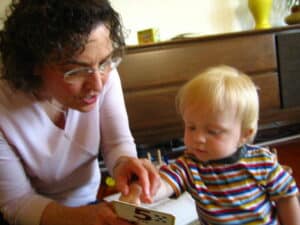
Wendorf’s engagement with Listen and Talk, a specialized program designed to provide auditory-verbal therapy and inclusive educational settings for children with hearing loss, began when he was six months old. The importance of this timing cannot be overstated; according to the Joint Committee on Infant Hearing (JCIH), the “1-3-6” guidelines recommend screening for hearing loss by one month of age, diagnosis by three months, and enrollment in early intervention services by six months. Wendorf’s early enrollment in the program’s Blended Classroom PreK model ensured he received the necessary linguistic and social scaffolding to thrive in mainstream educational environments.
For children with sensorineural hearing loss—a condition caused by damage to the inner ear or the nerve pathways from the inner ear to the brain—the initial years of life are critical for neuroplasticity. By integrating Wendorf into a blended classroom, Listen and Talk provided him with a communication-rich environment that balanced specialized auditory training with the social stimulation of peers. This foundational support allowed Wendorf to develop the self-advocacy skills that would later become integral to his pursuit of a career in the performing arts.
A Medical Pivot: Understanding Barakat Syndrome
The narrative of Wendorf’s upbringing shifted significantly when he was 12 years old. Up until that point, his hearing loss had been managed as a primary diagnosis. However, clinical investigations eventually revealed an underlying genetic cause: Barakat Syndrome, also known as HDR syndrome.
Barakat Syndrome is a rare autosomal dominant genetic disorder characterized by a clinical triad: Hypoparathyroidism, sensorineural Deafness, and Renal (kidney) disease. The condition is linked to mutations in the GATA3 gene, which is essential for the development of the parathyroid glands, the inner ear, and the kidneys. The identification of this syndrome at age 12 provided Wendorf and his family with a more comprehensive understanding of his health profile, underscoring the complexities that can exist beneath a diagnosis of hearing loss.
The clinical implications of a GATA3 mutation require lifelong monitoring. Because the syndrome can present with varying degrees of severity, the transition from adolescence to adulthood for patients like Wendorf involves a multidisciplinary medical approach, balancing ongoing auditory care with renal and endocrine maintenance. Despite the complexity of this diagnosis, Wendorf’s ability to integrate this information into his self-identity reflects a high level of personal resilience and maturity.
The Path to the Performing Arts
Throughout his youth, Wendorf demonstrated a propensity for high-engagement activities. His development was marked by a willingness to participate in a wide array of sports, though his focus eventually narrowed to the performing arts. His transition into improv and stage acting was not merely a hobby but a deliberate pursuit of a professional craft.
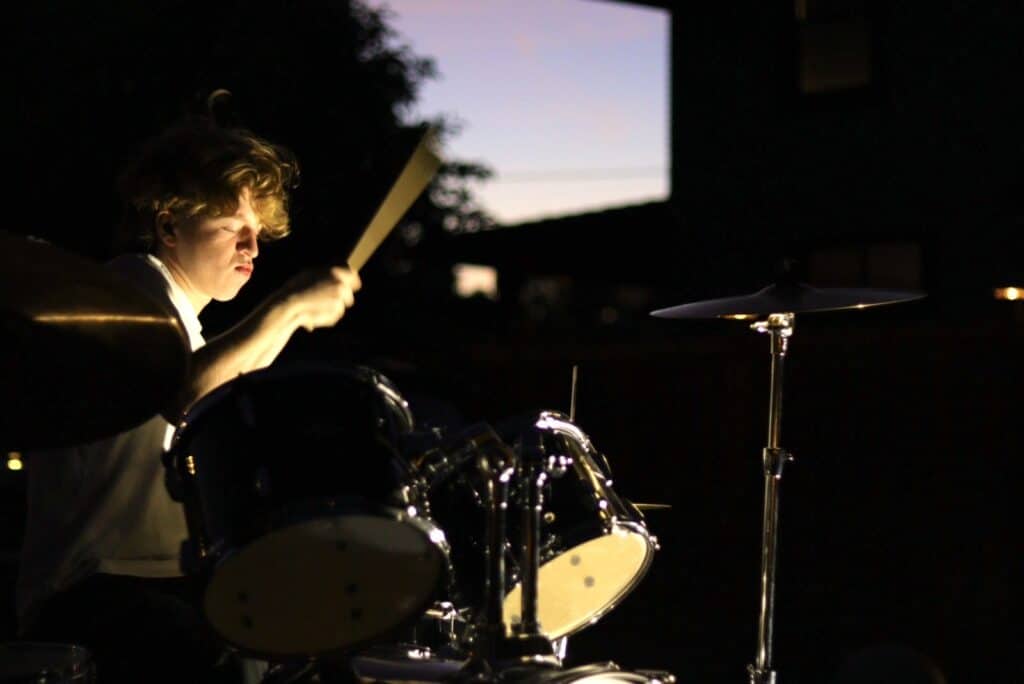
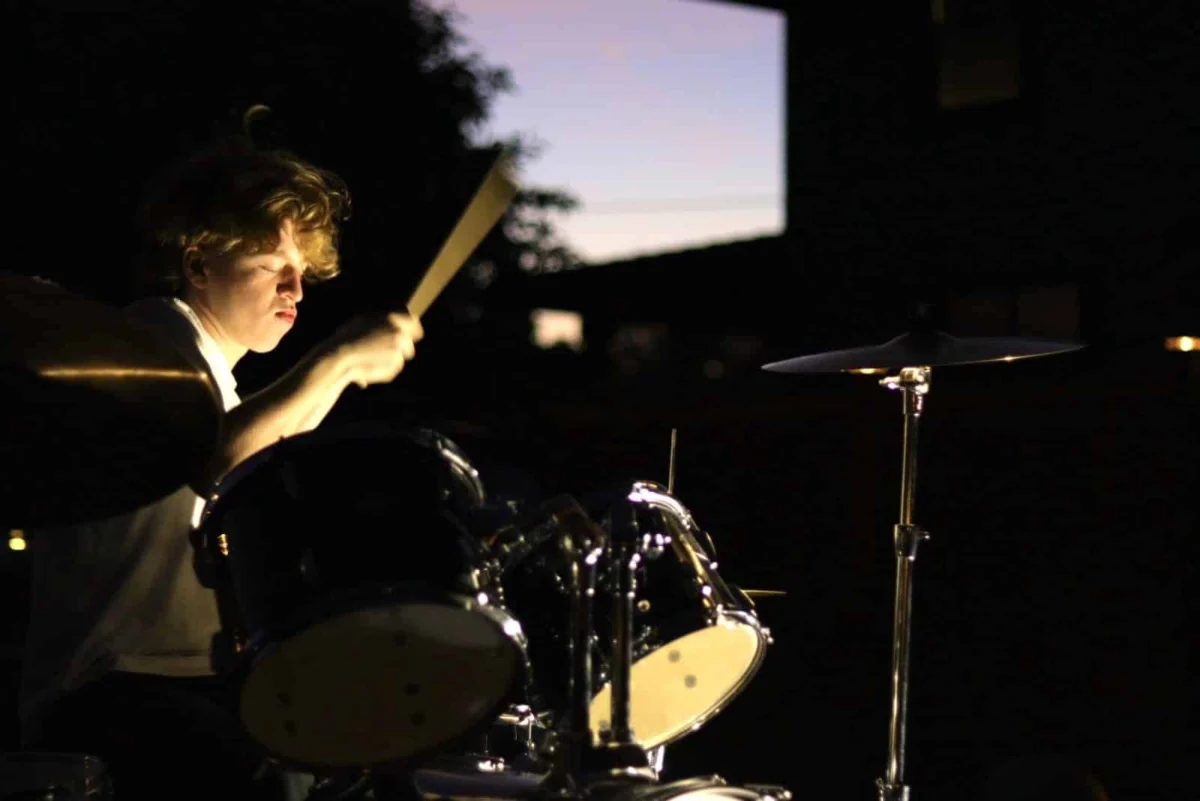
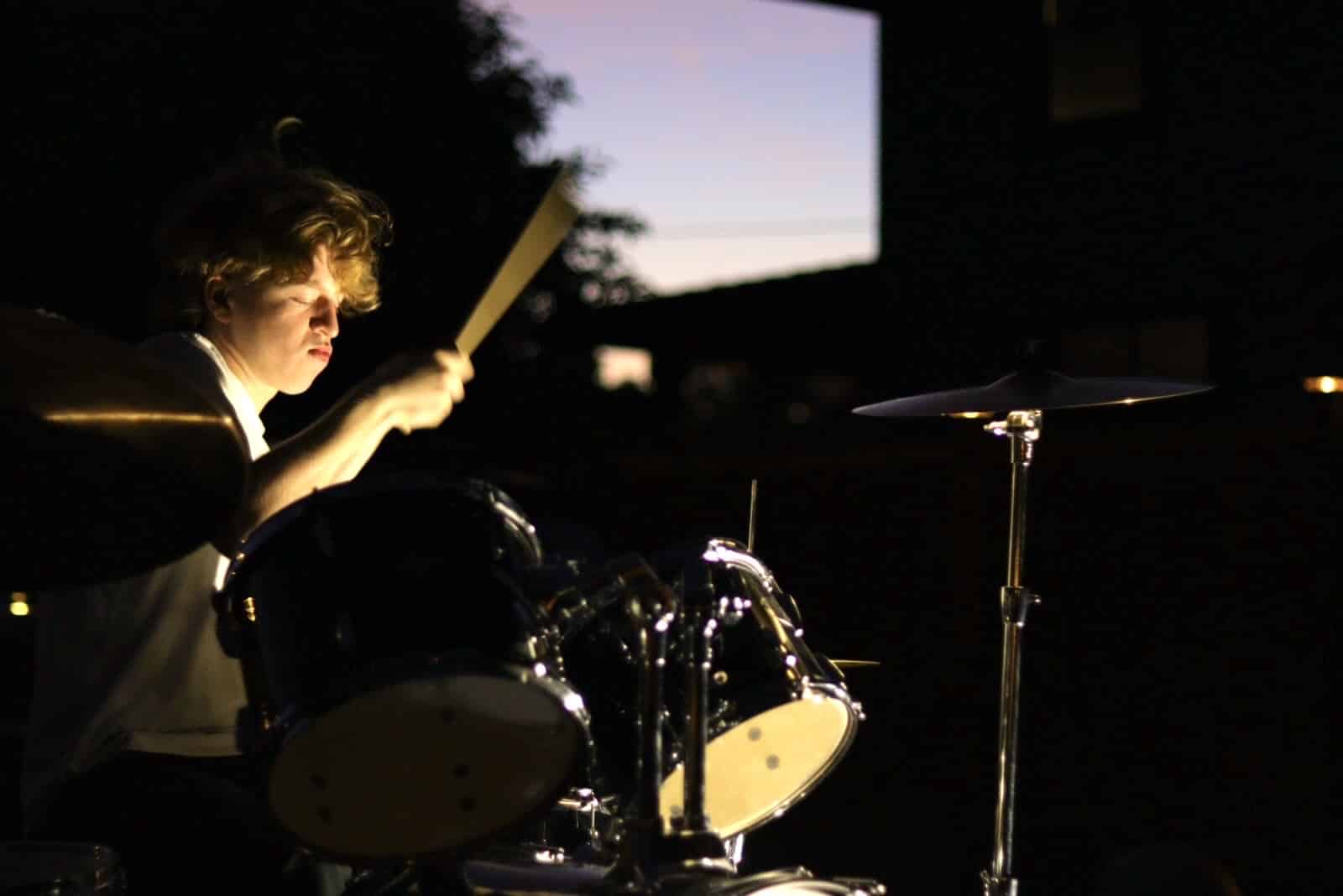
His training included self-instruction in both percussion and guitar, two instruments that demand a high level of auditory awareness. In the context of a student with sensorineural hearing loss, the mastery of musical instruments is a testament to the success of his early auditory-verbal therapy. By the time he graduated from Renton High School in June 2024, Wendorf had already secured lead roles in several theatrical productions, a feat that requires precise timing, emotional nuance, and vocal projection.
His move to Los Angeles, a global hub for the entertainment industry, represents the final step in his transition from a student receiving support to an emerging artist navigating the competitive landscape of the performing arts.
Broader Implications: The "No Child is Limited" Philosophy
The success of individuals like Wendorf has profound implications for public policy regarding early intervention. Data from the National Institute on Deafness and Other Communication Disorders (NIDCD) suggests that children who receive early diagnosis and intervention show significantly higher levels of language proficiency and academic performance compared to those who do not.
The "Listen and Talk" model, which advocates for the philosophy that "no child is limited by hearing loss," aligns with the broader shift in pediatric healthcare toward holistic support. This includes not just the medical management of hearing, but the social and emotional development of the child. By fostering a sense of community, the program helps mitigate the social isolation that can often accompany hearing loss.
Wendorf’s own reflections on his experience underscore this point. "Listen and Talk showed me that in a world where it feels like there aren’t many people like me, I am not alone," Wendorf stated. This sense of belonging is a crucial metric of success that extends beyond academic test scores or clinical milestones. It speaks to the psychological health of the individual, which is often the most significant predictor of long-term life satisfaction.
Perspectives from Family and Advocacy
The parental experience in this journey highlights the collaborative nature of raising a child with complex medical and educational needs. Wendorf’s parents have characterized the process as a privilege, noting that the development of his sense of self and his ability to advocate for his needs in a hearing-centric world were directly influenced by the support they received from the program.
"Watching him grow into someone who continues to take risks, follow his interests, and create his own opportunities has been one of the great privileges of being his parent," his family remarked. This perspective provides an essential look at the "alumni" impact of specialized support programs—how the investments made during a child’s infancy pay dividends decades later as they enter adulthood.
The Role of Alumni Engagement and Philanthropy
As organizations like Listen and Talk look toward the future, the success stories of alumni like Wendorf serve as the primary motivation for their ongoing fundraising efforts. The Alumni Family Giving Campaign is designed to ensure that the next generation of children—those currently being diagnosed—has access to the same resources that supported Wendorf.
The economics of these programs are significant. Providing high-quality, long-term intervention requires consistent staffing, advanced audiological equipment, and a curriculum that evolves with the needs of the students. Philanthropic support helps bridge the gap between standard medical coverage and the comprehensive, specialized care required to achieve optimal developmental outcomes.
Future Outlook and Conclusion
Kai Wendorf’s journey from a four-month-old infant with a new diagnosis to an aspiring professional in Los Angeles is more than a personal success story; it is a validation of the early intervention model. His ability to navigate both the challenges of a rare genetic condition and the rigors of the performing arts demonstrates that with the right tools, the barriers typically associated with hearing loss can be effectively lowered.
As he continues to build his career, Wendorf remains a symbol of the potential inherent in students who are given the resources to listen, speak, and thrive. His path serves as an encouraging precedent for families currently facing the initial stages of a hearing loss diagnosis, reinforcing the idea that early, evidence-based intervention is the most effective catalyst for a life of independence and achievement. The ongoing support of institutions like Listen and Talk remains a vital component of the infrastructure necessary to turn these individual success stories into a broader societal norm.