The journey of a cochlear implant user is often punctuated by remarkable, yet deeply personal, milestones. These can range from the sudden, recognizable chirp of a bird to the subtle effervescence of a carbonated beverage, or the deeply satisfying rediscovery of one’s own voice. Such transformative moments are increasingly being reported by cochlear implant users who have transitioned to Anatomy-Based Fitting (ABF). This unique MED-EL fitting approach leverages advanced imaging techniques to precisely map the electrode contacts within the cochlea, enabling sound coding that more accurately reflects the user’s individual auditory anatomy.
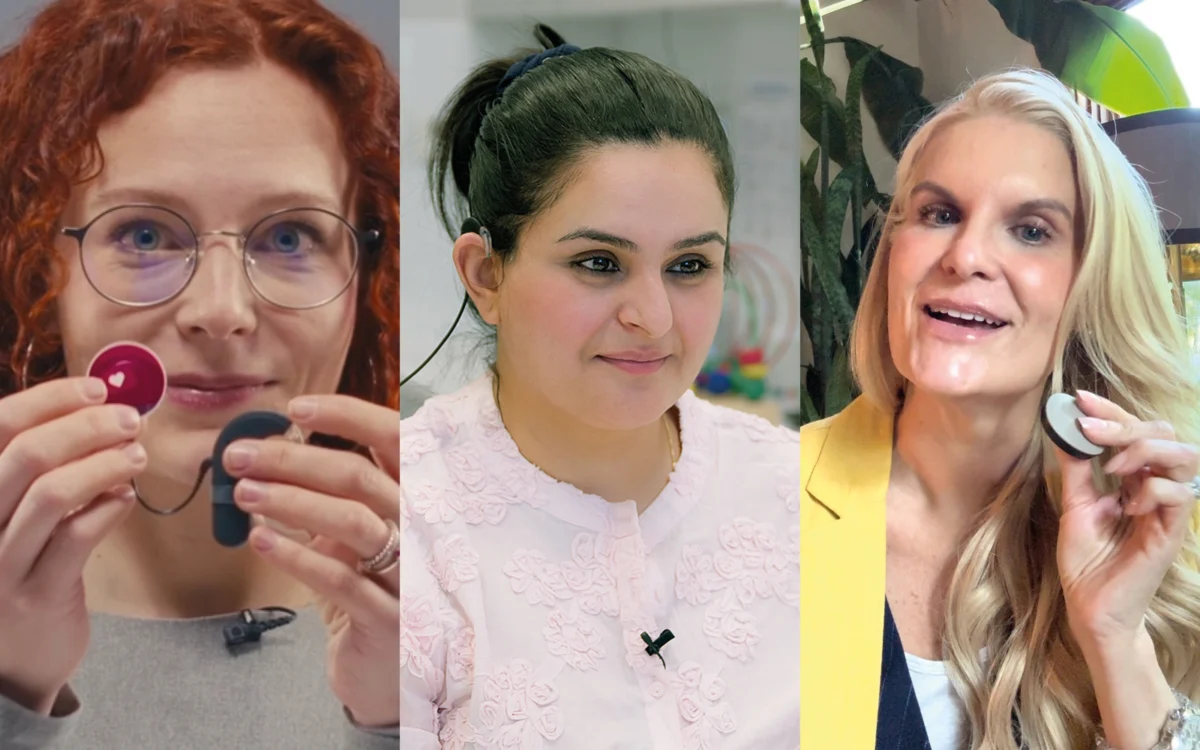
This user-driven review delves into the profound impact of ABF on the hearing journeys of three distinct individuals: Mariia, a neuroscientist from Russia who utilizes bilateral cochlear implants; Nandini, a bimodal user from the UK who has experienced lifelong progressive hearing loss; and Tracie, a user from the US who faced sudden single-sided deafness. Despite their varied backgrounds, unique hearing profiles, and differing expectations, all three users consistently describe ABF in strikingly similar terms: more natural, more comfortable, and ultimately, life-enhancing.
Understanding Anatomy-Based Fitting: A Precision Approach to Sound
At its core, Anatomy-Based Fitting is engineered to replicate the natural organization of sound pitch along the cochlea. In typical human hearing, different frequencies are processed at specific locations within this intricate spiral-shaped organ. ABF capitalizes on post-operative imaging data, coupled with MED-EL’s sophisticated OTOPLAN software, to provide audiologists with the precise anatomical information needed to align frequency information with the exact placement of electrode contacts. This meticulous, personalized fitting process is designed to pave the way for a significantly more natural auditory experience.
The significance of this personalized approach cannot be overstated. While the technical underpinnings of ABF are sophisticated, the user testimonials consistently highlight its impact on a more human level. Mariia, who had previously used a conventional fitting for years on one side before adopting ABF, identified comfort as the most significant improvement. Her own voice, which had previously possessed a subtle, persistent dissonance, suddenly resonated with a natural authenticity. Similarly, her appreciation for music deepened, experiencing a richer, fuller soundscape. For Mariia, ABF did not represent a miraculous overnight transformation but rather the dissolution of a lingering sense of auditory strangeness, replaced by an effortless ease.
Nandini experienced a discernible difference almost immediately. The sound quality shifted from what she described as "tinny" and "robotic" to a smoother, more fluid auditory input that required less cognitive effort. For Nandini, ABF transcended a mere alteration of sound; it fundamentally changed the physical sensation of listening, bringing a sense of profound relief and allowing her auditory system to finally find a state of relaxed integration.
Tracie’s experience, while initially requiring a period of renewed effort, offers a compelling perspective on the long-term benefits. After several months on a default map, the transition to ABF involved a temporary recalibration of her auditory processing. However, her persistence was fueled by an intuitive understanding of the technology’s potential. Over time, ABF enabled her cochlear implant to work in greater harmony with her natural hearing ear, significantly enhancing comfort and unlocking a level of sound quality she described as remarkably natural.
"Wow" Moments: The Subtle Yet Profound Impact of ABF
The most compelling narratives often emerge from the seemingly ordinary moments that ABF has elevated. For Mariia, a pivotal "wow" moment arrived when she heard herself speak and recognized her own voice with an unprecedented sense of authenticity. Given that one’s own voice is a constant auditory companion, even a minor discrepancy can be unsettling. ABF effectively eliminated this subtle intrusion. Furthermore, she observed that environmental sounds on her newly implanted side sounded closer to their natural counterparts more rapidly than with her previous fitting.
Nandini’s unforgettable experience involved not just the auditory cue of a soda can being opened, but the distinct, delicate fizz of the beverage itself. The subtle effervescence, the texture, the intricate details she had long forgotten – these were all brought back to her auditory awareness. In essence, sound transitioned from an artificial, robotic presentation to a more natural and nuanced experience.
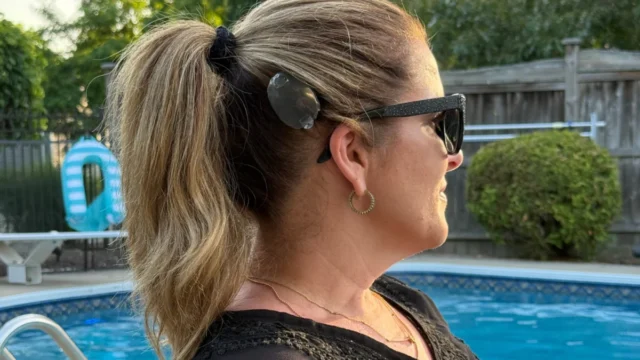
Tracie’s breakthrough moment occurred in a challenging, high-decibel social setting. Instead of being overwhelmed by a cacophony of competing sounds, she noticed her brain actively beginning to organize the auditory input. This transformed a potentially exhausting listening experience into a purposeful engagement, offering an opportunity to cultivate new auditory skills and build confidence in complex environments.
User Perspectives on ABF in Daily Life
A synthesized overview of user experiences with Anatomy-Based Fitting reveals a consistent pattern of positive outcomes:
- Enhanced Naturalness: Users report that sounds feel less artificial and more aligned with their expectations of natural hearing.
- Improved Comfort: The reduction in auditory strain and the more intuitive sound processing contribute to greater listening comfort throughout the day.
- Greater Ease of Listening: ABF often leads to a reduction in the cognitive effort required for understanding speech and environmental sounds, making listening less fatiguing.
- Rediscovery of Nuance: Users are reconnecting with the subtle details and textures within sounds, enriching their auditory perception.
- Increased Confidence: The improved clarity and naturalness of sound contribute to greater confidence in communication and social interactions.
The Enduring Importance of Adaptation
While ABF represents a significant leap in personalized fitting, its full benefits are not always instantaneous. MED-EL’s ABF is meticulously calibrated to each individual’s anatomy post-surgery, but user experiences underscore a crucial point: the fitting itself is only one component of the auditory journey. The brain continues to play a vital role in learning and adapting to new auditory input.
Mariia found her adjustment period to be remarkably brief, occurring within days. Nandini, on the other hand, experienced a more gradual acclimatization, reaching her optimal listening experience over several months. Tracie described her initial transition as a temporary reset that necessitated diligent listening practice, patience, and unwavering commitment. Across all these diverse experiences, a common thread of advice emerges: the adaptation process, while sometimes requiring effort, is an integral part of unlocking ABF’s full potential.
Why Users Advocate for Anatomy-Based Fitting
The consensus among users is that ABF is a valuable intervention, offering not just access to sound, but a fundamentally improved relationship with it. The benefits extend to reduced auditory strain, enhanced comfort, more accurate pitch perception, a voice that feels authentically one’s own, and a significant boost in confidence for conversations, meetings, and social engagements. Furthermore, ABF has demonstrably increased users’ appreciation for music.
Three key advantages consistently emerge from user feedback:
- Unprecedented Personalization: ABF moves beyond generalized fitting protocols to tailor sound processing to the unique anatomical landscape of each user’s cochlea. This individualized approach fosters a more intuitive and comfortable listening experience.
- Bridging the Gap to Natural Hearing: By more accurately mapping sound to the cochlea’s natural tonotopic organization, ABF brings the perception of sound closer to what is experienced in unaided hearing. This reduces the cognitive load associated with processing sound, making listening less taxing and more enjoyable.
- Empowerment and Engagement: The enhanced clarity, comfort, and naturalness provided by ABF empower users to engage more fully with their auditory environment. This translates to improved communication, greater social participation, and a richer overall quality of life.
For individuals prepared to invest the necessary time and effort in the adjustment phase, ABF offers a demonstrably more personalized and rewarding hearing experience, moving beyond mere functionality to foster a deeper, more integrated connection with sound.
Hearing That Truly Fits You
At its fundamental level, Anatomy-Based Fitting is built upon a singular principle: hearing should be as unique and individualized as the person experiencing it. By meticulously considering the distinct anatomical characteristics of each cochlea, ABF endeavors to bring the experience of hearing with a cochlear implant closer to the sensation of natural hearing. This advancement is not solely measured in objective performance metrics but also in the subjective feeling of auditory immersion.
For Mariia, Nandini, and Tracie, this paradigm shift has catalyzed tangible improvements. It has reshaped not only how they hear but also how they communicate and how they perceive and interact with the world around them. In many instances, the most profound changes are not simply about hearing more, but about hearing in a way that finally, unequivocally, feels right.
For those interested in exploring the profound impact of ABF, further testimonials and detailed user experiences are available. The journey toward a more natural hearing experience with cochlear implants is no longer a distant aspiration, but a present reality for an increasing number of individuals.