The Regulatory Evolution: A Shifting Baseline
For decades, industrial hygiene was largely characterized by periodic air sampling, noise dosimetry, and occasional chemical inventories. This model operated on the assumption that if a facility remained below a specific regulatory threshold, it was inherently safe. However, that paradigm is being dismantled by a surge in high-profile enforcement actions and more stringent exposure limits.

The current regulatory environment is defined by three primary pressures. First, the EPA’s aggressive move to classify PFAS—often referred to as "forever chemicals"—as hazardous substances under the Comprehensive Environmental Response, Compensation, and Liability Act (CERCLA) has forced manufacturers to re-evaluate their entire supply chain and chemical handling procedures. Second, OSHA’s ongoing enforcement of the Respirable Crystalline Silica standard continues to be a primary driver of citations in construction and manufacturing, with recent updates emphasizing long-term health monitoring. Third, the absence of a federal heat stress standard has prompted states like California and Washington to implement their own, more rigorous mandates, while federal OSHA works toward a comprehensive national rule.
This regulatory mosaic creates a significant compliance burden for multi-site organizations. Where once a local facility manager could handle safety audits, the modern corporate environment requires a centralized, data-driven strategy to ensure that a plant in Georgia maintains the same level of risk mitigation as a facility in Oregon.
Chronology of Regulatory Intensification
The roots of this current shift can be traced back to a series of legislative and policy milestones that have incrementally raised the stakes for employers:

- 2016: OSHA updates its Silica standard, drastically reducing the Permissible Exposure Limit (PEL) and requiring medical surveillance for workers exposed above the action level.
- 2020-2022: The COVID-19 pandemic forces a global rethink of indoor air quality and ventilation, setting the stage for more stringent requirements regarding airborne contaminants.
- 2023: The EPA finalizes the "PFAS Strategic Roadmap," initiating a series of reporting and testing requirements that ripple through industrial sectors.
- 2024: OSHA advances the proposed rule for "Heat Injury and Illness Prevention in Outdoor and Indoor Work Settings," signaling a new federal commitment to addressing climate-related workplace hazards.
- 2025-2026: Courts and insurance underwriters begin integrating these evolving standards into their liability assessments, effectively codifying "best practices" as the new minimum requirement for insurance coverage and legal defense.
Data-Driven Risk Management: The New Industrial Imperative
The transition from a project-based model to an enterprise-wide program is primarily driven by the need for defensibility. In the event of a regulatory audit or litigation, an organization can no longer rely on a singular, outdated report to prove a safe working environment. Instead, they must present a "living" history of exposure data.
Industry analysts note that companies utilizing centralized digital platforms to track exposure monitoring have reduced their audit-related penalties by an estimated 30% compared to those relying on decentralized, paper-based records. These systems enable real-time risk allocation, allowing safety managers to prioritize resources toward high-hazard processes rather than performing indiscriminate sampling across an entire facility.
Furthermore, the integration of historical data is critical. Many industrial hygiene programs fail because they lack institutional memory; when personnel turnover occurs, the reasoning behind previous exposure controls is often lost. By implementing structured, auditable documentation systems, firms ensure that they can provide a longitudinal view of worker exposure, which is vital for defending against long-latency illness claims.

Perspectives on the Compliance Shift
The reaction from industry stakeholders has been mixed but largely convergent toward a proactive posture. Safety directors at Fortune 500 manufacturing firms have noted that while the initial investment in enterprise-wide IH software and consulting is significant, the cost of non-compliance—ranging from reputational damage to seven-figure civil penalties—is far higher.
"We are seeing a clear bifurcation in the market," says one consultant specializing in industrial litigation support. "On one side, you have companies that treat safety as an overhead cost to be minimized. They are the ones currently struggling with the rapid pace of PFAS reporting requirements. On the other side, you have organizations that view industrial hygiene as a core business risk management function. These companies aren’t just meeting the law; they are using data to anticipate future regulations."
Legal experts also emphasize the concept of the "Standard of Care." In civil litigation, even if a company meets the letter of an OSHA regulation, they can still be found liable if they failed to implement recognized industry best practices. Therefore, the "wait-and-see" approach—delaying action until a regulation is finalized—is increasingly viewed as a high-stakes gamble that fails to protect the company in court.

Implications for Operational Strategy
The move toward enterprise-level industrial hygiene necessitates a change in how organizations structure their safety teams. Traditionally, industrial hygienists were siloed within the EHS (Environment, Health, and Safety) department. Now, successful companies are embedding IH expertise into operations, engineering, and supply chain management.
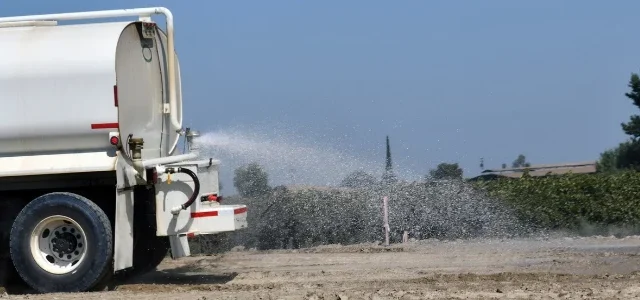
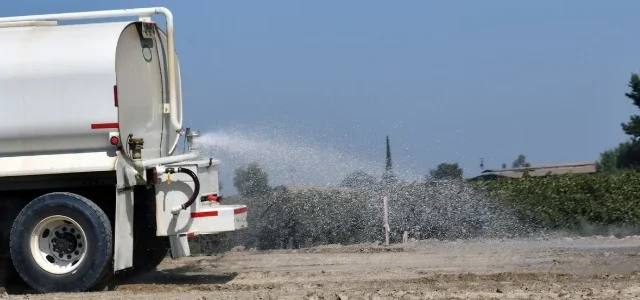
This cross-functional approach is essential for addressing the multi-faceted nature of modern risks. For instance, addressing silica exposure is no longer just about issuing respirators; it requires a systemic review of engineering controls, such as wet-cutting technologies and advanced local exhaust ventilation, which must be integrated into the facility’s capital expenditure planning. Similarly, managing heat stress requires a combination of engineering solutions, such as climate-controlled rest areas, and administrative changes, like work-rest cycles that adjust based on real-time WBGT (Wet Bulb Globe Temperature) readings.
The Financial and Legal Burden of Proof
Beyond the regulatory mandates, the financial implications of poor exposure management are becoming more pronounced. Insurance providers are increasingly scrutinizing the "IH maturity" of their policyholders. Organizations that cannot demonstrate a robust, documented, and proactive industrial hygiene program are facing higher premiums and, in some cases, difficulty securing coverage for occupational illness claims.

The burden of proof has effectively shifted to the employer. In the past, regulators had to prove that a hazard existed. Today, the ubiquity of sensor technology and the accessibility of environmental data mean that organizations are expected to know their own risk profile. Failure to monitor, document, and remediate is increasingly framed by prosecutors and plaintiffs as "willful negligence."
Future-Proofing the Organization
As the regulatory environment continues to evolve, the organizations that will thrive are those that prioritize agility and data transparency. This involves several key strategic actions:
- Investment in Digital IH Infrastructure: Moving away from static spreadsheets to cloud-based platforms that allow for real-time data entry, trend analysis, and automated reporting.
- Harmonizing Global Standards: For multinational corporations, aligning with the most stringent regional standards across all global operations simplifies compliance and mitigates the risk of fragmented safety protocols.
- Continuous Professional Development: Ensuring that safety staff are trained not only on technical monitoring methods but also on the interpretation of evolving legal requirements and risk communication strategies.
- Proactive Stakeholder Engagement: Engaging with regulatory bodies and industry associations to participate in the rulemaking process, providing the data and context needed to shape practical and effective standards.
The transition toward a comprehensive, enterprise-wide industrial hygiene model is not merely a reaction to current regulations; it is a strategic alignment with the future of work. As the boundaries between environmental health, occupational safety, and corporate governance continue to blur, the ability to manage exposure risks with precision and accountability will become a hallmark of resilient and sustainable industrial enterprises. The era of reactive compliance is drawing to a close, replaced by an era where proactive, data-driven exposure management is a fundamental component of business continuity and institutional integrity.