Chronic vestibular illnesses, which affect the inner ear and brain’s ability to process sensory information, often result in "invisible" disabilities. These conditions, including Autoimmune Inner Ear Disease (AIED) and Persistent Postural-Perceptual Dizziness (PPPD), do more than impair balance and hearing; they frequently trigger profound psychological crises involving the loss of self-worth and social isolation. The podcast explores how spirituality functions not as a replacement for medical intervention, but as a vital component of the biopsychosocial model of healthcare, helping patients navigate the uncertainty of a world that literally and figuratively refuses to stop spinning.
Medical and Psychological Context of Vestibular Disorders
To understand the spiritual challenges discussed by Johnson and Cannon, it is necessary to examine the medical gravity of vestibular dysfunction. According to data from the National Institute on Deafness and Other Communication Disorders (NIDCD), approximately 69 million Americans have experienced some form of vestibular dysfunction in their lifetime. These conditions are often difficult to diagnose, leading to what is known as the "diagnostic odyssey"—a period of months or years where patients undergo exhaustive testing without clear answers.
The psychological impact of these disorders is significant. A study published in the Journal of Vestibular Research indicates that patients with chronic dizziness report significantly higher rates of anxiety and clinical depression compared to the general population. Because the vestibular system is foundational to a person’s sense of orientation in space, its failure can lead to a phenomenon known as "depersonalization" or "derealization," where patients feel detached from their bodies or their environment. In this context, spirituality provides a "re-grounding" mechanism, offering a sense of continuity when the physical senses fail.
Chronology of Resilience: The Journey of Lynn Johnson
Lynn Johnson’s experience serves as a case study for the sudden onset of life-altering disability. In 2015, Johnson was an award-winning high school biology teacher when she suddenly developed severe imbalance and tinnitus. The progression of her symptoms was rapid and devastating, eventually leading to a diagnosis of Autoimmune Inner Ear Disease (AIED) and Bilateral Vestibular Hypofunction.
AIED is a rare condition where the body’s immune system attacks the cells of the inner ear, often resulting in bilateral hearing loss and balance deficits. For Johnson, the medical diagnosis was accompanied by a professional catastrophe; her inability to maintain balance or hear her students forced an end to her teaching career. The timeline of her recovery was marked by deep grief over the loss of her professional calling.
Johnson’s spiritual response was rooted in the Christian tradition, specifically utilizing scripture as a cognitive reframing tool. She identified Proverbs 3:5–6 and Romans 12:12 as foundational texts that allowed her to maintain a "joyful hope" despite physical affliction. Her process involved "Bible journaling," a practice of reflecting on spiritual texts through art and writing, which provided a new outlet for the creativity she had previously channeled into her teaching. Her transition from a career-focused identity to one rooted in spiritual resilience highlights a common trajectory for chronic illness patients: the move from "doing" to "being."
Pastoral Perspectives: Rev. Carol Rexroad Cannon’s Transition
Reverend Carol Rexroad Cannon provides a different chronological perspective, having been diagnosed with vestibular neuritis in 2016, which subsequently evolved into Persistent Postural-Perceptual Dizziness (PPPD). As a pastor with 40 years of experience, Cannon was accustomed to providing spiritual care to others; her illness forced her to become the recipient of that care and to redefine her own ministry.
PPPD is characterized by a persistent feeling of motion or dizziness that is exacerbated by upright posture and complex visual stimuli. For a religious leader, this meant that the sensory-rich environment of a church—filled with music, multiple voices, and large crowds—became a source of physical distress. Cannon’s chronology involves a strategic withdrawal from traditional pastoral duties to preserve her health, followed by a discovery of the "spiritual discipline of rest."
Cannon’s approach emphasizes the "theology of presence." She argues that for those with chronic illness, spiritual support is most effective when it avoids platitudes or "quick fixes." Instead, she advocates for "sitting with" people in their pain, a practice that mirrors the medical concept of palliative care, where the goal is quality of life and emotional support rather than a definitive cure.
Analysis of Spiritual Coping Mechanisms
The narratives of Johnson and Cannon reveal several specific spiritual mechanisms that assist in long-term medical coping:
- Identity Reconstruction: Both guests emphasized that their illnesses initially felt like the end of their "true selves." Spirituality offered a meta-narrative that suggested their value was intrinsic rather than tied to their productivity or physical capabilities.
- Sensory Adaptation: For Johnson, the loss of physical hearing led to a pursuit of "spiritual hearing"—a heightened internal awareness and quiet reflection. This adaptation is a common psychological response to sensory loss, where the brain and psyche seek alternative pathways for connection.
- The Discipline of Rest: Cannon highlighted the concept of the Sabbath, not merely as a religious requirement, but as a biological necessity. By framing rest as a "holy" act, patients can alleviate the guilt often associated with the inability to work or maintain a social schedule.
- Community and Advocacy: Both women transitioned from patients to advocates. Johnson serves as a VeDA Ambassador and leads support groups, while Cannon utilizes her pastoral training to support the vestibular community. This shift from "victim" to "helper" is a recognized stage in trauma recovery, often referred to as "altruistic healing."
Supporting Data: The Role of Spirituality in Clinical Outcomes
The observations made in the ICU Podcast are supported by a growing body of clinical research. According to the Mayo Clinic, patients who utilize spiritual or religious coping mechanisms often demonstrate better adherence to medical treatments and report higher levels of "subjective well-being." Furthermore, research from Duke University’s Center for Spirituality, Theology and Health suggests that spiritual involvement is associated with lower levels of cortisol, the body’s primary stress hormone, which can have a direct impact on the inflammatory processes involved in conditions like AIED.
In the case of vestibular rehabilitation therapy (VRT), the mental state of the patient is a significant predictor of success. Patients who approach therapy with a sense of hope and a belief in their ability to adapt—qualities often fostered by spiritual practices—tend to show more rapid improvement in balance and gait than those who remain in a state of chronic "catastrophizing."
Official Responses and Institutional Impact
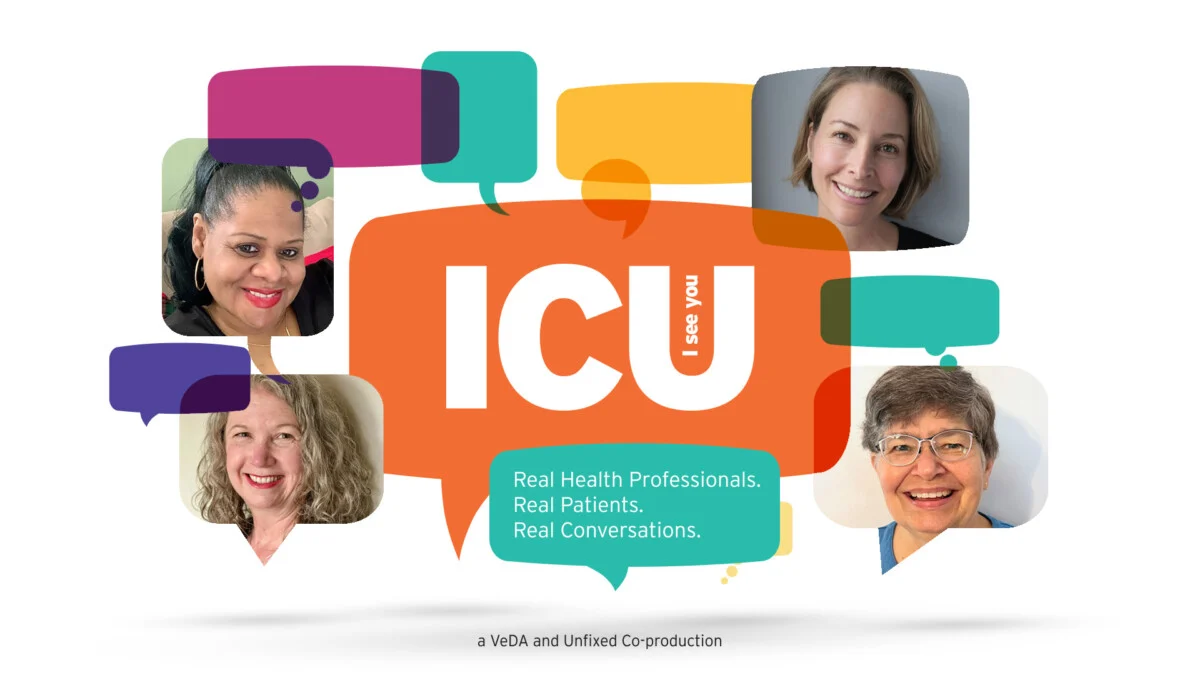
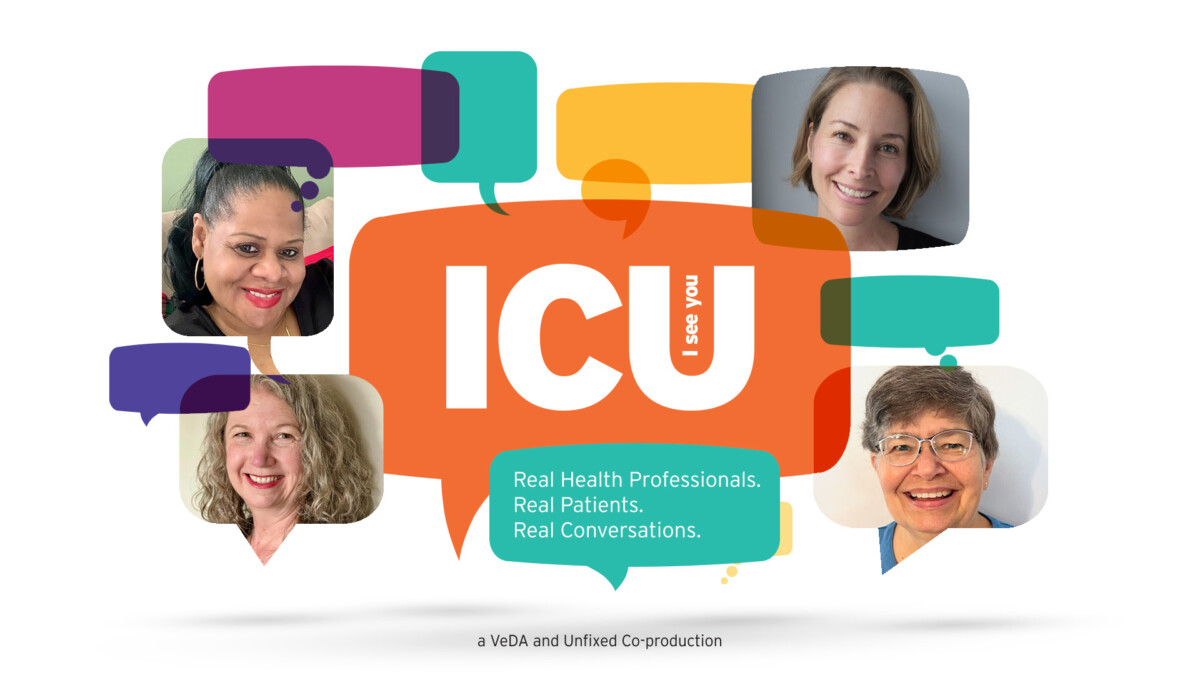
The Vestibular Disorders Association (VeDA), which facilitates these conversations, has increasingly recognized the need for holistic support. By hosting the ICU – I SEE YOU podcast, VeDA acknowledges that medical information alone is insufficient for patients dealing with permanent sensory changes. The organization’s focus on "visibility" (hence the title "I See You") addresses the specific trauma of invisible illness, where patients often feel disbelieved by medical professionals or social circles.
The podcast serves as an "official" recognition of the patient experience, bridging the gap between clinical diagnosis and daily lived reality. The inclusion of guests like Cannon, who possesses formal theological training, and Johnson, who has a background in biology, ensures that the conversation remains grounded in both intellectual rigor and personal authenticity.
Broader Implications for Healthcare and Society
The discussion between Johnson and Cannon points toward a necessary evolution in how society views chronic illness. The prevailing "cure-centric" model of medicine often leaves patients feeling like failures if they do not return to their pre-illness state of health. The spiritual model proposed in the podcast suggests a "healing-centric" approach, where healing is defined as the restoration of wholeness and purpose, even in the absence of a cure.
This shift has implications for workplace accommodations, insurance coverage for mental health support, and the training of medical professionals. If spirituality and mental resilience are indeed "anchors" for recovery, then integrating these considerations into the standard of care for vestibular patients is not merely a "luxury" but a clinical necessity.
As the episode concludes, the shared invitation from the guests is one of intentionality. Whether through prayer, journaling, or the "God winks" (small moments of grace) described by Cannon, the goal is to create a sustainable inner life that can withstand the volatility of chronic illness. Their stories suggest that while a vestibular disorder may change the "song" of a person’s life, it does not have to silence the music entirely. Through spiritual resilience, patients can find a new rhythm, learning to live fully within the limits of their new reality.