The Diagnostic Odyssey: A Chronology of Uncertainty
For the majority of patients suffering from vestibular dysfunction, the medical journey begins not with a solution, but with a period of profound disorientation. Vestibular symptoms, which include vertigo, imbalance, tinnitus, and persistent dizziness, often manifest with sudden intensity. However, data suggests that the average patient may consult between four and five different healthcare providers before receiving an accurate diagnosis. This "diagnostic odyssey" can span months or even years, during which time patients often undergo expensive and sometimes unnecessary imaging, such as MRIs and CT scans, to rule out life-threatening neurological events like strokes or tumors.
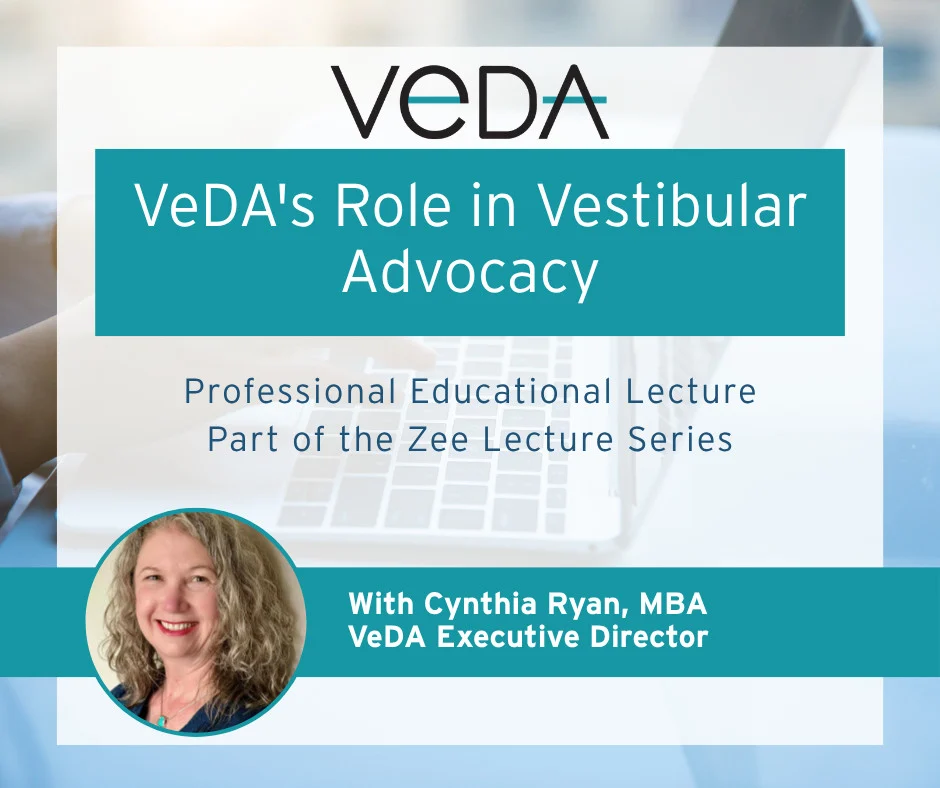
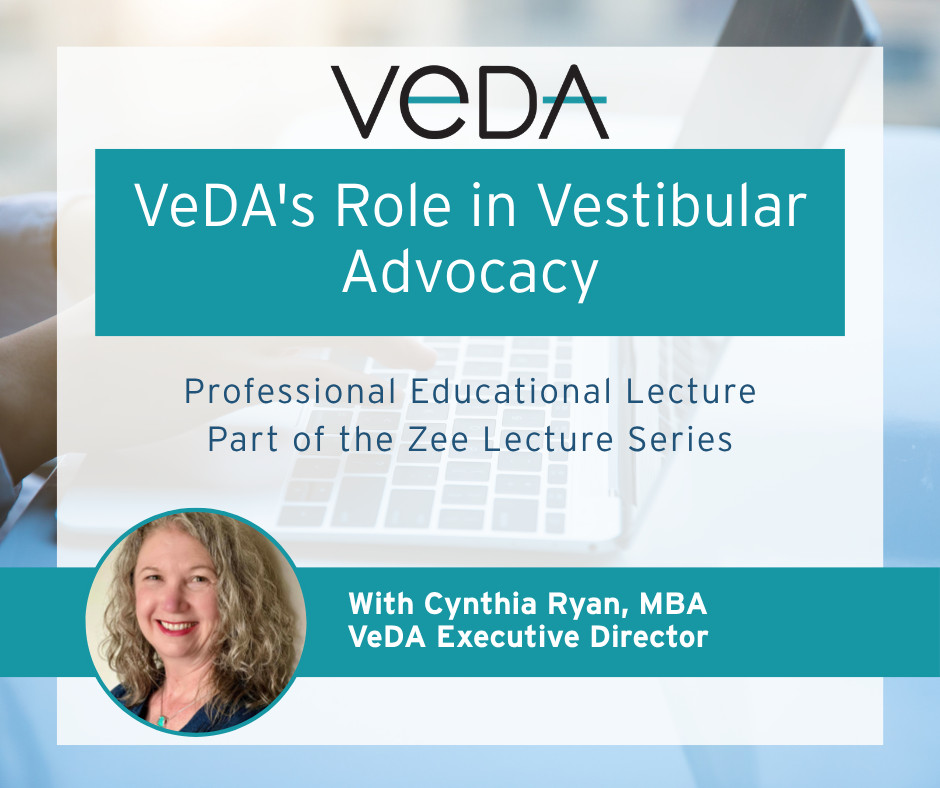
The Zee Ocular Motor and Vestibular Lecture Series, named in honor of Dr. David Zee—a pioneer in the study of eye movements and vestibular function—provides a platform for experts to address these systemic gaps. Ryan’s presentation highlighted that during this pre-diagnosis phase, patients often experience a "credibility gap." Because vestibular disorders are frequently "invisible"—lacking external markers like a cast or a visible wound—patients report feeling dismissed by primary care physicians or emergency room staff. This initial lack of validation can lead to secondary psychological complications, including generalized anxiety disorder and depression, which further complicate the clinical picture.
The Evolution of VeDA: From Support Group to Global Hub
To understand the current state of vestibular advocacy, one must look at the historical context of the Vestibular Disorders Association. Founded in 1985, VeDA began as a grassroots effort to provide support for those suffering from Meniere’s disease and other inner-ear balance disorders. Over the nearly four decades since its inception, the organization has evolved into a global nexus connecting patients, clinicians, researchers, and industry stakeholders.
The transition from a localized support group to an international resource center reflects the growing recognition of vestibular science as a distinct and critical field of medicine. Today, VeDA serves as a clearinghouse for peer-reviewed information, translating complex physiological concepts into accessible language for the layperson. This educational mission is vital because vestibular rehabilitation therapy (VRT) and other treatments require high levels of patient compliance. An informed patient is statistically more likely to adhere to the rigorous, often provocative exercises required for neural compensation—the process by which the brain learns to rely on alternative sensory inputs to maintain balance.
The Clinical Value of an Informed Patient
In her address, Ryan argued that the role of an advocacy organization is to create "better partners" for healthcare providers. When a patient understands the mechanics of their disorder—whether it be Benign Paroxysmal Positional Vertigo (BPPV), Vestibular Migraine, or Persistent Postural-Perceptual Dizziness (PPPD)—the nature of the clinical encounter shifts. Instead of spending the limited appointment time explaining basic anatomy, the clinician can focus on fine-tuning treatment protocols and monitoring progress.
Furthermore, education serves as a tool for managing patient expectations. Recovery from a vestibular injury is rarely a return to a "pre-injury" state; rather, it is often a process of adaptation and management. VeDA’s resources, including "Ask the Expert" sessions and webinars, provide a longitudinal support structure that the current fee-for-service medical model often cannot accommodate. By bridging the gap between clinical visits, advocacy organizations help maintain the momentum of recovery, preventing the "relapse" into sedentary behavior that often follows a vestibular flare-up.
The Psychosocial Dimension: Connection as a Clinical Intervention
One of the most significant themes of the Zee Lecture presentation was the healing power of community. Vestibular disorders are uniquely isolating. The inability to drive, work, or navigate crowded environments can lead to a rapid contraction of a patient’s social world. Ryan pointed to specialized programs such as the "Dizzy Moms Club" and "Dizzy Together" as examples of how peer support addresses the emotional toll of chronic illness.
From a clinical perspective, these support networks function as a form of social medicine. Research into chronic pain and other invisible illnesses suggests that peer validation can lower cortisol levels and improve a patient’s overall resilience. Patient advocates Glenn Schweitzer and Jeannette Tousignant, who shared their experiences during the presentation, noted that finding a community of "people who get it" was as transformative as the physical therapy they received. For clinicians, referring a patient to a support group is not merely a secondary suggestion; it is a strategic intervention aimed at addressing the mental health comorbidities that often stall physical progress.
Data-Driven Advocacy: The Dizziness, Vertigo & Imbalance Patient Registry
A critical development in the field of vestibular advocacy is the move toward data-driven insights. VeDA’s Dizziness, Vertigo & Imbalance Patient Registry represents a significant effort to collect real-world evidence (RWE) directly from the patient population. Unlike controlled clinical trials, which often have strict inclusion and exclusion criteria, patient registries capture the messy reality of living with chronic conditions.
This registry data is becoming increasingly valuable for researchers and pharmaceutical companies. It provides insights into the "natural history" of various disorders, the efficacy of off-label treatments, and the specific socioeconomic impacts of vestibular dysfunction. For example, registry data can highlight the average number of workdays lost per year for a patient with vestibular migraine, providing a concrete economic argument for better insurance coverage of VRT and specialized diagnostic testing. By facilitating this research, VeDA ensures that the patient’s voice is represented in the scientific literature, moving beyond anecdotal evidence to statistically significant findings.
Improving Access through the Provider Directory and Referral Pathways
A recurring challenge identified in the lecture is the difficulty patients face in finding qualified specialists. The vestibular system sits at the intersection of neurology, otolaryngology, and audiology, often leading to a "siloed" approach to care. A patient might see an ENT for ear symptoms and a neurologist for headaches, but neither may be equipped to handle the complex integration of balance.
VeDA’s Healthcare Provider Directory addresses this by vetting clinicians who have demonstrated expertise in vestibular care. This multidisciplinary directory includes neurotologists, physical therapists, occupational therapists, and psychologists. By centralizing these resources, VeDA reduces the time-to-treatment, which is critical in preventing the chronification of vestibular symptoms. Ryan noted that the organization is currently working on expanded referral programs and triage resources to further streamline the process, ensuring that patients reach the right specialist at the right time.
Future Horizons: AI, Narrative Medicine, and Global Outreach
Looking toward the future, the presentation outlined several innovative initiatives aimed at further integrating advocacy into the healthcare system. One such initiative involves the use of AI-powered educational tools. These tools could potentially provide 24/7 assistance to patients experiencing acute vertigo episodes, offering immediate guidance on whether to seek emergency care or how to perform self-repositioning maneuvers for BPPV.
Additionally, the concept of "narrative medicine" is gaining traction within the vestibular community. By documenting and sharing detailed patient stories, VeDA aims to help healthcare professionals develop greater empathy and a more nuanced understanding of the lived experience of dizziness. This approach shifts the focus from "treating a vestibular deficit" to "caring for a person with a vestibular disorder."
Conclusion: A Symbiotic Relationship for Improved Outcomes
The central thesis of the Zee Ocular Motor and Vestibular Lecture is that the relationship between healthcare professionals and advocacy organizations is symbiotic. Clinicians provide the essential medical interventions—surgery, medication, and rehabilitation—that address the physiological aspects of the disorder. In turn, VeDA provides the education, support, and community that allow the patient to navigate the complexities of life outside the clinic.
As the healthcare landscape continues to shift toward value-based care, the role of the "informed patient" will only become more prominent. By acknowledging the full patient journey, clinicians can foster a more compassionate and effective environment for recovery. Advocacy is not a supplement to healthcare; it is an integral component of a modern, patient-centered medical model. Through the continued collaboration of clinicians, researchers, and organizations like VeDA, the goal is to reach a future where vestibular disorders are recognized early, treated effectively, and understood by society at large. The path to recovery may be long and winding, but with a robust support system in place, patients no longer have to navigate it alone.