A Foundation Built in a Basement
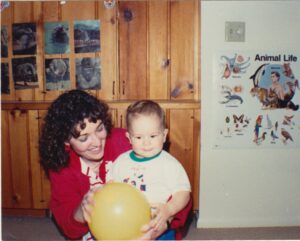
The story of Listen and Talk began nearly three decades ago, not in a traditional educational facility, but in the residence of Star Leonard-Fleckman, a dedicated teacher of the deaf and auditory-verbal therapist. Recognizing a critical gap in the landscape of early intervention for children with hearing loss, Leonard-Fleckman sought to create a model that prioritized the development of listening and spoken language skills within a naturalistic, family-centered environment.
At the time of the organization’s founding, the prevailing educational approaches for deaf and hard-of-hearing children were often limited by geographic constraints and a heavy reliance on traditional, non-auditory communication methods. Leonard-Fleckman’s vision was predicated on the belief that with early identification and appropriate auditory technology, children could develop the cognitive and linguistic skills necessary to communicate in the hearing world without the need for sign language or interpreters.
What began as a localized, home-based therapy practice has, over the span of 29 years, matured into a comprehensive educational institution. Today, Listen and Talk serves more than 200 families annually across Washington state, utilizing a hybrid model of in-person therapy at its Kirkland campus and remote tele-health outreach.
The Evolution of Service: A Chronological Overview
The development of Listen and Talk has been marked by a deliberate expansion of services to meet the evolving needs of the pediatric audiology community:

- 1996: The organization is founded by Star Leonard-Fleckman, establishing the first iteration of auditory-verbal therapy services.
- Early 2000s: Expansion of the Birth to Three program, focusing on early identification and neuroplasticity during the critical years of language acquisition.
- Mid-2000s to 2010s: Introduction of the Blended Classroom Program, which integrates children with and without hearing loss, providing a peer-based environment that fosters social communication and self-advocacy.
- Present Day: Integration of full-scale Audiology services and specialized Outreach programs, allowing the organization to serve families in rural or underserved areas of Washington.
The current service model is built upon the "listening and spoken language" (LSL) philosophy. This approach does not merely focus on speech production; it emphasizes the development of the auditory system as the primary pathway for learning. By coaching parents to become the primary facilitators of their child’s language development, Listen and Talk ensures that the therapeutic progress made in the classroom translates into the daily life of the family.
Financial Sustainability: The Inaugural Walk, Run, and Roll
The October event served as the capstone for the organization’s first-ever Walk, Run, and Roll fundraiser, an initiative designed to bolster operational funding. According to administrative figures, the campaign successfully surpassed its initial targets, raising over $10,000 in community donations. This total was subsequently doubled by a matching grant from the founder, Star Leonard-Fleckman, bringing the total funds raised to over $26,000.
The fundraiser was decentralized, with participants engaging in activities across various regions of Washington, including Edmonds, Woodinville, the Olympic Peninsula, and Seattle’s Green Lake. This format allowed for a broader demographic reach, with participants ranging in age from toddlers to centenarians, highlighting the widespread community investment in the cause. The capital generated is earmarked for the maintenance of specialized therapy services, the procurement of updated audiological equipment, and the expansion of parent-education initiatives.
Therapeutic Methodology and Clinical Impact
The core of the Listen and Talk model is the pursuit of independence for the student. The curriculum is designed to foster critical thinking and self-advocacy, enabling students to navigate diverse social and academic settings.
"Our goal is to ensure that every child leaves our program with the ability to reason, think independently, and communicate their thoughts with intelligible speech," noted a spokesperson for the organization during the Founder’s Day festivities.
Data from the field of auditory-verbal therapy consistently demonstrates that when children with hearing loss are provided with high-quality early intervention, their literacy and language outcomes often mirror those of their hearing peers. Listen and Talk supports this by providing services to families who speak over thirty different languages, emphasizing that the "language of the heart and home" is a critical component of a child’s holistic development. By respecting the cultural and linguistic diversity of its families, the organization ensures that therapy is not a clinical exercise, but a functional tool for family life.
Reflections from the Founder’s Day Celebration
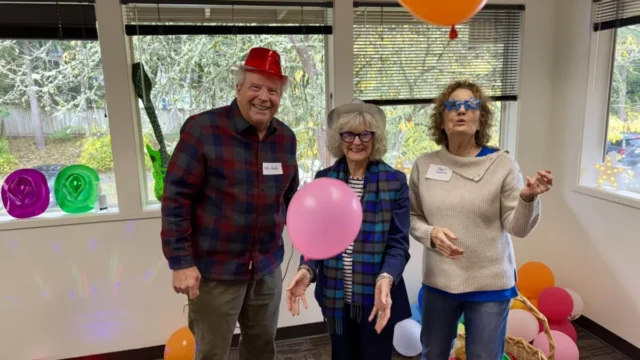
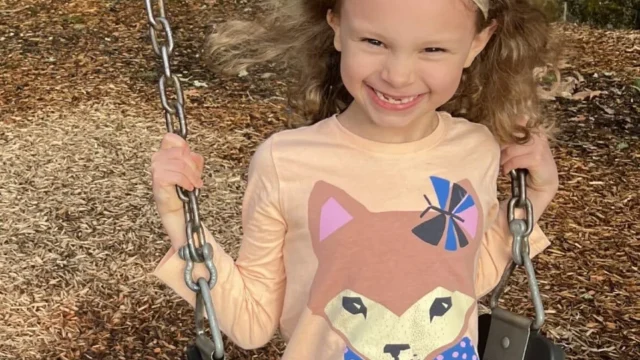
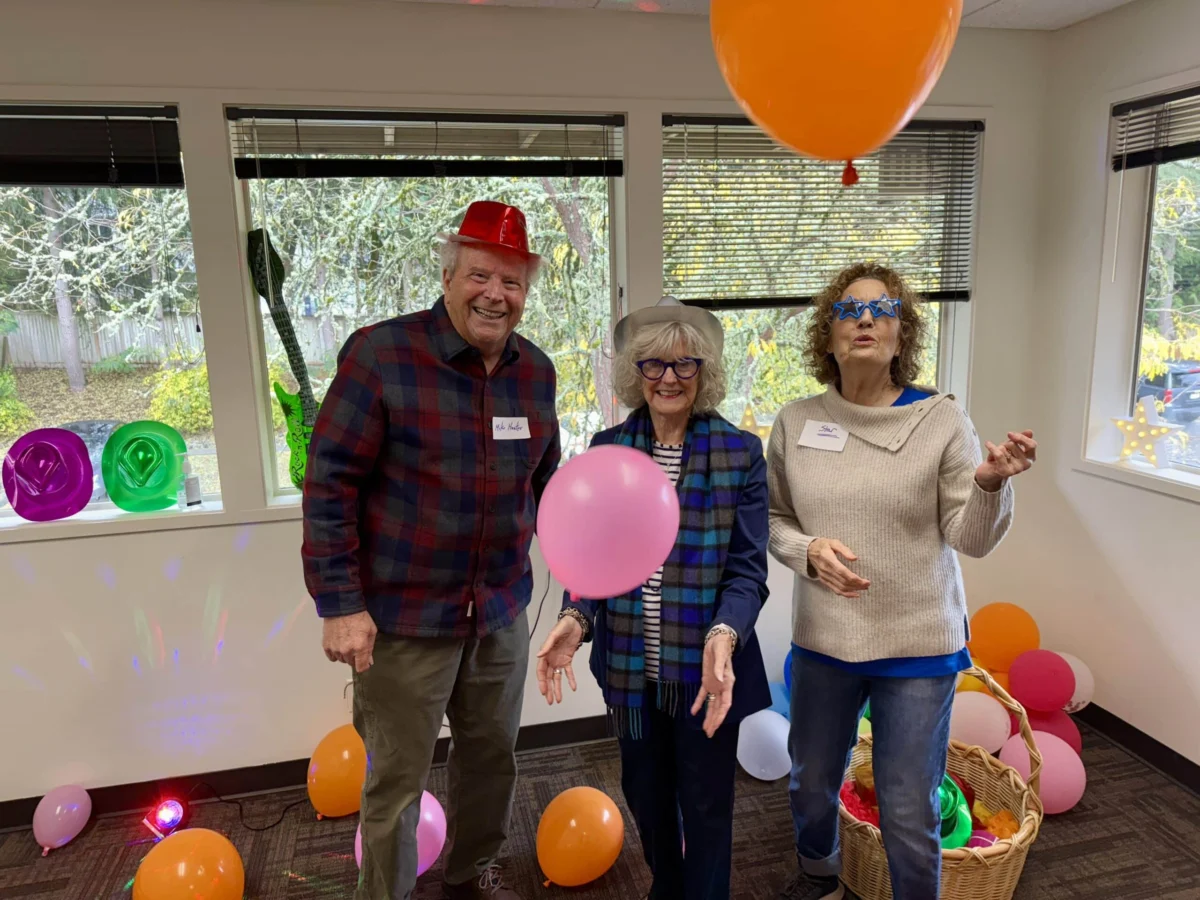
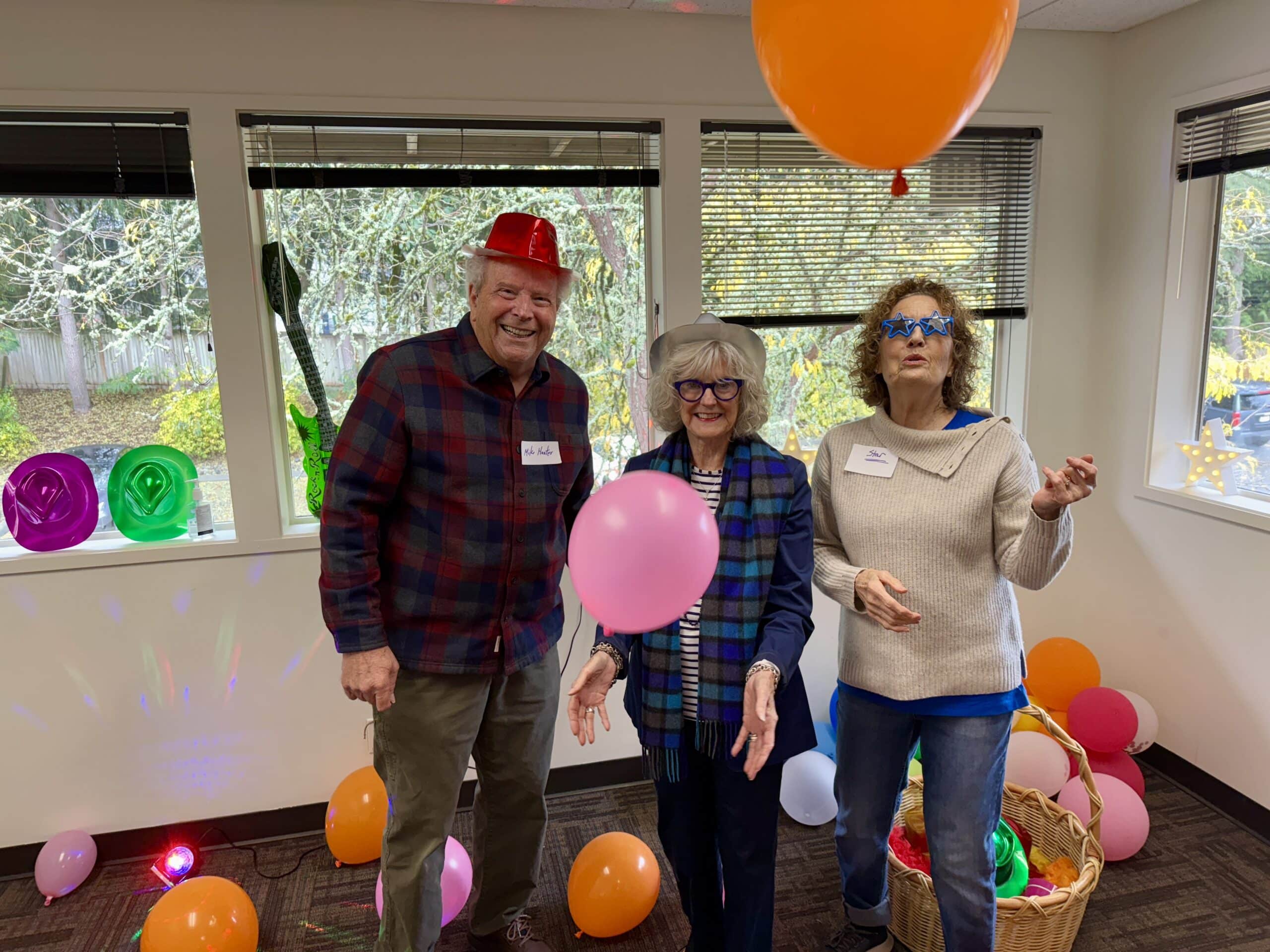
The event at the Kirkland campus included a "Story Time with Star," a session that highlighted the multi-generational impact of the organization. The sight of alumni students—some of whom are now parents themselves—watching their children participate in the same therapeutic activities they once experienced, provided a visual testament to the program’s long-term efficacy.
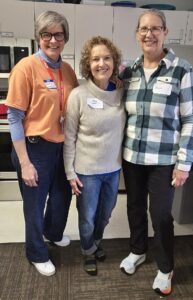
Executive Director Maura Berndsen, who attended the event alongside Leonard-Fleckman and Birth to Three Specialist Kim Hamren, emphasized the importance of the organization’s community-centric approach. The interaction between staff, families, and board members served as a reminder that the organization’s success is built upon the collective efforts of the community rather than individual achievement alone.
Future Projections and Institutional Goals
As Listen and Talk enters its 30th year, the organization faces a shifting landscape of hearing technology, including advanced cochlear implants and digital hearing aid processors. The challenge for the next decade will be to integrate these technological advancements while maintaining the human-centered, family-focused coaching that has defined the organization’s legacy.

The success of the inaugural fundraiser provides a stable platform for this transition. By continuing to support "social impact enterprise" initiatives, the organization aims to reduce the financial barriers that often prevent families from accessing specialized audiological and speech-language services.
The broader implications of Listen and Talk’s work extend beyond individual therapy sessions. By advocating for early screening and comprehensive education, the organization contributes to the larger goal of normalizing the integration of individuals with hearing loss into mainstream society. The mission remains constant: that no child should be limited by their hearing loss.
For families, educators, and supporters looking to engage with the organization, the path forward involves a continued commitment to the LSL methodology. Whether through direct financial donations or through participation in future community events, the goal remains the provision of resources that empower children to hear, speak, and thrive. As the organization prepares for its upcoming milestones, it remains anchored in the original vision of its founder: a world where hearing loss is a manageable aspect of life, rather than a barrier to human potential.