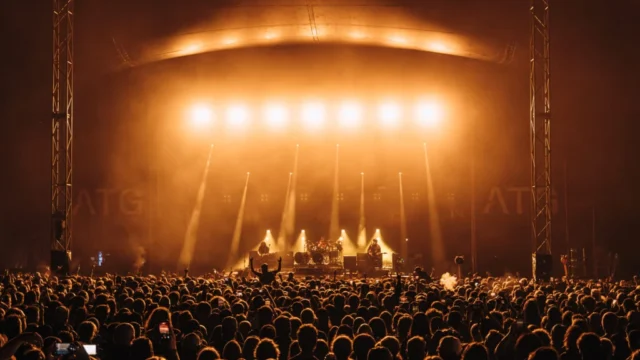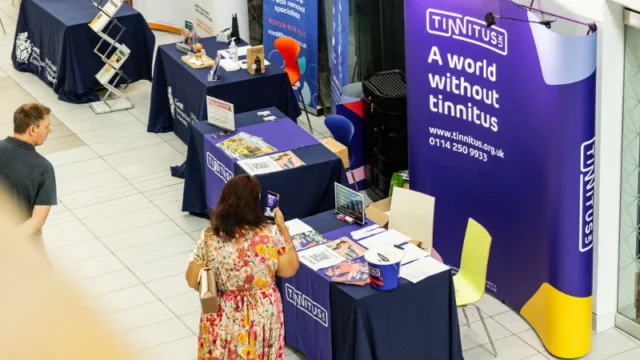
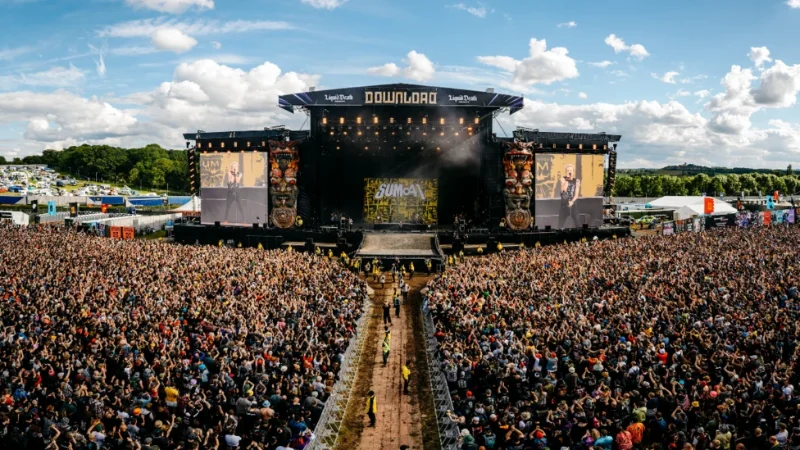
The initiative, which includes a high-profile partnership with the Download Festival 2026, aims to bridge the gap between high-decibel entertainment and clinical safety. By integrating hearing health awareness directly into the festival experience, the organization seeks to normalize the use of protective equipment and foster a culture of responsible listening.
A Chronology of Awareness: From Silence to Advocacy
The relationship between loud music and hearing health has undergone a significant shift in public perception over the last decade. Historically, the "rock and roll" lifestyle often viewed high-volume amplification as an inseparable component of the aesthetic. However, the 2020s have seen a paradigm shift, driven by a growing body of medical data and increased public discourse regarding the prevalence of tinnitus.
In early 2026, Tinnitus UK conducted a series of internal strategy sessions aimed at younger demographics, identifying that while awareness of hearing damage is rising, the application of preventative measures remains low. The decision to partner with Download Festival—a titan of the rock and metal scene—was a strategic move to reach an audience consistently exposed to high sound pressure levels (SPL). This partnership follows a successful series of engagements earlier in the year during Tinnitus Week 2026, where the organization amplified awareness through digital campaigns and clinical outreach. The trajectory of this initiative is clear: move beyond the clinic and into the heart of the music scene to provide real-time education.
The Science of Sound: Data and Implications
To understand the necessity of this campaign, one must look at the decibel (dB) thresholds at play. A typical live music concert can reach volumes between 95 and 115 decibels. For context, the World Health Organization (WHO) and the National Institute for Occupational Safety and Health (NIOSH) suggest that the safe limit for sustained exposure to 100 dB is approximately 15 minutes. Beyond this threshold, the risk of temporary threshold shift (TTS)—the ringing sensation experienced after a concert—increases significantly. If this exposure becomes chronic, it can manifest as permanent tinnitus.
Tinnitus is defined as the perception of sound, such as ringing, buzzing, or hissing, in the absence of an external acoustic source. It is not a disease in itself but a symptom of an underlying condition, often related to the sensory hair cells in the cochlea being damaged by excessive noise. Current estimates suggest that millions of adults in the UK are currently living with some form of tinnitus, with a growing subset of younger adults reporting symptoms linked to modern entertainment habits.
Data indicates that once the sensory hair cells are damaged or lost, they do not regenerate in humans. Consequently, the mitigation of risk during the formative years of concert-going is not merely a suggestion; it is a vital public health intervention. The long-term implications of ignoring these risks include not only the persistent, intrusive sound of tinnitus but also potential hyperacusis (an increased sensitivity to sound) and, eventually, sensorineural hearing loss.
The Download Festival Partnership: A Model for Change
The collaboration between Tinnitus UK and Download Festival 2026 represents a pragmatic, industry-standard approach to health and safety. Rather than advocating for the silencing of festivals, the partnership focuses on "responsible amplification."
Industry experts involved in the festival production acknowledge that while the auditory experience is paramount, the logistical integration of hearing health education is essential for the sustainability of the industry. By providing information on high-fidelity earplugs—which attenuate sound levels across all frequencies rather than simply "muffling" the audio—the campaign allows attendees to maintain the clarity of the music while significantly reducing the risk of damage.
Official responses from festival organizers suggest that the inclusion of hearing health resources is now viewed as part of the broader duty of care owed to patrons. Just as hydration stations and medical tents are standard fixtures, the promotion of ear protection is becoming an expected facet of the modern festival infrastructure.
Practical Strategies for the Modern Concert-Goer
The campaign emphasizes that protecting one’s hearing is not an "all-or-nothing" proposition. Tinnitus UK has outlined several actionable strategies for attendees to adopt this summer:
- Investment in High-Fidelity Protection: Unlike standard foam earplugs, which can distort the sound profile by cutting out high frequencies, high-fidelity plugs use acoustic filters to lower the decibel level uniformly. This preserves the musical nuance while keeping the SPL within a safe range.
- Strategic Positioning: The inverse square law of physics dictates that sound pressure drops significantly as one moves away from the sound source. Simply moving 20 to 30 feet back from the main speaker stacks can result in a measurable reduction in decibel exposure without compromising the visual experience.
- Auditory "Cool-Down" Periods: The ears, like any other part of the body, require recovery time. Taking regular, scheduled breaks away from the main stage into quieter zones allows the delicate structures of the inner ear to recalibrate.
- Early Intervention for Minors: Younger fans are particularly susceptible to noise-induced hearing loss (NIHL) due to the developmental state of their auditory systems. The use of specialized ear defenders for children is strongly encouraged, as the cumulative damage from loud events early in life can manifest as clinical issues in early adulthood.
Addressing the Tinnitus Reality
For those who have already developed tinnitus, the summer months can be particularly challenging, as the combination of heat and noise can sometimes exacerbate the symptoms. Tinnitus UK emphasizes that the onset of tinnitus does not mean the end of one’s engagement with music.
The organization provides a comprehensive framework for management, including Cognitive Behavioral Therapy (CBT) principles, sound therapy, and the use of specialized support groups. For many, the first step is recognizing that the condition is manageable. Accessing the free, confidential Tinnitus UK helpline provides individuals with the tools to navigate their symptoms, offering a pathway toward habituation—a process where the brain learns to filter out the tinnitus sound, significantly reducing its emotional and physical impact.
Broader Implications for the Music Industry
The work being done by Tinnitus UK in 2026 serves as a bellwether for the wider music industry. There is a growing consensus among sound engineers and production crews that "louder is not always better." Advances in line-array speaker technology allow for more precise sound distribution, meaning that a venue can be filled with clear, high-quality audio without necessarily pushing the decibels into the "danger zone."
Furthermore, the integration of these health initiatives signals a shift in the relationship between the artist and the audience. When high-profile festivals promote hearing health, it validates the experience of the fan and removes the social stigma that has historically been attached to wearing ear protection.
As the summer season progresses, the objective remains clear: to ensure that the music continues to play, but that the listeners remain able to hear it. The combination of technological advancements, individual responsibility, and robust support networks creates a roadmap for a healthier future for live music. By adopting these small, evidence-based changes, concert-goers can ensure that their passion for live performances remains a lifelong pursuit rather than a short-term indulgence.
For those seeking to further their understanding of their own hearing health, or for those currently struggling with the symptoms of tinnitus, the resources provided by Tinnitus UK offer a necessary bridge to professional, compassionate, and science-backed support. Through continued vigilance and the normalization of protective habits, the festivals of 2026 will not just be remembered for the music they provided, but for the proactive step they took toward protecting the hearing of a generation.