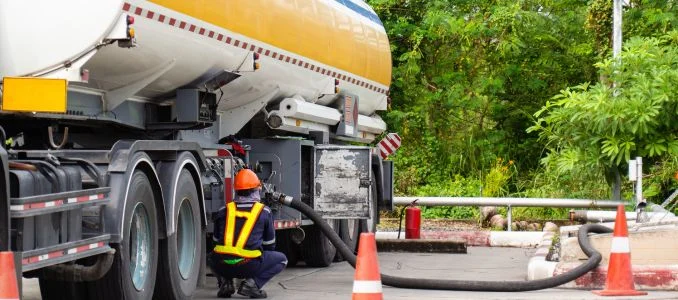
The incident underscores the persistent dangers associated with the heavy-duty truck parts distribution and maintenance industry, where employees frequently interact with large-scale vessels and high-voltage equipment. As OSHA intensifies its focus on workplace fatalities, this case serves as a stark reminder of the regulatory requirements mandated under federal law to prevent preventable deaths in industrial settings.
Chronology of the Investigation and Findings
The investigation commenced shortly after the fatal incident occurred, triggering an immediate deployment of OSHA compliance officers to the Corpus Christi facility. Federal investigators conducted a comprehensive review of the site’s safety management systems, interviewing personnel and examining the specific equipment involved in the fatal inspection process.
According to the official OSHA report, the investigation identified 16 serious violations and three other-than-serious violations. A serious violation occurs when there is a substantial probability that death or serious physical harm could result from a condition that exists, or from one or more practices, means, methods, operations, or processes which have been adopted or are in use, unless the employer did not, and could not with the exercise of reasonable diligence, know of the presence of the violation.
The violations identified by OSHA include:

- Failure to Implement a Confined Space Program: The company did not develop or execute a written program to identify and evaluate hazards associated with permit-required confined spaces.
- Deficiencies in Respiratory Protection: The facility lacked mandatory elements of a respiratory protection program, including medical evaluations, fit testing, and training, which are essential when employees operate in environments where oxygen-deficient or toxic atmospheres may exist.
- Electrical Hazard Exposure: Investigators discovered exposed wiring and improper grounding practices that left employees vulnerable to arc flashes or electrical shocks during standard maintenance operations.
- Procedural Oversight: The absence of comprehensive training programs meant that personnel were not equipped with the knowledge to recognize the specific atmospheric hazards inherent in tanker trailer inspections.
The Criticality of Confined Space Safety
Confined spaces—defined as areas not intended for continuous human occupancy and possessing limited means of egress—present unique hazards that are often underestimated in industrial settings. Tanker trailers are high-risk environments due to the potential for chemical residue, oxygen displacement by inert gases, or the accumulation of toxic vapors.
OSHA’s standard 29 CFR 1910.146, which governs permit-required confined spaces, requires employers to perform hazard assessments, issue entry permits, ensure atmospheric testing, and provide a standby attendant who is trained to perform emergency rescues. The failure to adhere to these protocols is frequently cited in industrial fatalities. In the FleetPride case, the absence of these life-saving measures directly contributed to the worker’s inability to exit the vessel or receive timely assistance during the asphyxiation event.
Supporting Data and Industry Context
FleetPride, a prominent national distributor of heavy-duty truck and trailer parts, operates a vast network of service centers across the United States. The scale of such operations necessitates rigorous safety oversight, yet industry data suggests that maintenance facilities often struggle with the transition from simple parts distribution to complex mechanical servicing.

Across the United States, transportation and warehousing sectors consistently rank among the highest for workplace injury and fatality rates. Bureau of Labor Statistics (BLS) data indicates that respiratory failure and asphyxiation in confined spaces account for a significant portion of preventable industrial deaths annually. For many organizations, the financial burden of compliance—involving training, monitoring equipment, and specialized safety gear—is often weighed against operational speed. However, OSHA’s proposed penalty of over $264,000 serves as a fiscal indicator of the high cost of non-compliance, designed to deter corporations from prioritizing production over human life.
Official Responses and Legal Implications
Following the announcement of the citations, the standard regulatory process dictates that the employer has 15 business days to respond. FleetPride has three primary avenues of recourse:
- Compliance: The company may choose to pay the penalty and provide evidence that the violations have been abated.
- Informal Conference: The company may request a meeting with the OSHA Area Director to discuss the citations, potential penalty reductions, or the implementation of safety improvements in exchange for a settlement.
- Contestation: The company may file a formal notice of contest with the Occupational Safety and Health Review Commission (OSHRC), an independent body that adjudicates disputes between OSHA and employers.
While FleetPride has not released a comprehensive public statement regarding the specific findings as of this report, the gravity of the citations suggests that the company faces significant pressure to overhaul its safety culture. Historically, large corporations facing such high-profile OSHA penalties often enter into corporate-wide settlement agreements, which may involve third-party safety audits, mandatory training for all national locations, and the appointment of a dedicated safety officer to oversee hazardous operations.

Broader Impact and Industry Implications
The FleetPride incident is likely to trigger increased scrutiny from OSHA regarding similar facilities across the country. When a specific company is flagged for a "serious" violation of this magnitude, OSHA’s national office may prioritize "programmed inspections" at other company locations to ensure that safety lapses are not systemic.
Furthermore, this incident highlights the importance of the "Safety First" mandate in the modern logistics and transportation sector. As supply chain demands increase, the pressure on distribution centers to expedite inspections and maintenance can lead to the "normalization of deviance," where safety shortcuts become accepted practice. Industry experts emphasize that the only effective way to mitigate these risks is through the institutionalization of a robust Safety Management System (SMS) that empowers workers to halt operations if they feel that safety protocols are not being strictly observed.
For workers in the trucking and trailer maintenance field, the Corpus Christi tragedy serves as a grim reminder of the necessity of demanding adherence to federal safety regulations. As OSHA continues to modernize its enforcement strategies, including the use of data analytics to identify high-risk employers, companies are being warned that the regulatory environment is becoming increasingly intolerant of procedural negligence.

Conclusion: Moving Toward a Culture of Prevention
The proposed penalties and the 19 citations issued to FleetPride represent more than just a financial assessment; they represent a failure of duty of care. For the family of the worker involved, and for the workforce at large, the objective of these enforcement actions is to drive meaningful change.
Moving forward, the industry must look toward technological solutions—such as remote atmospheric monitoring, automated confined space entry systems, and mandatory digital safety checklists—to bridge the gap between policy and practice. The investigation into the Corpus Christi facility remains a significant case study in the risks of industrial maintenance and the vital importance of the Occupational Safety and Health Act in ensuring that every worker returns home safely at the end of their shift.
As the legal proceedings continue, the broader industry will be watching to see how FleetPride addresses these findings and whether this tragedy becomes a catalyst for improved safety standards across the heavy-duty distribution landscape. The $264,380 fine, while substantial, is ultimately secondary to the human cost of the incident, leaving the burden of proof on the company to demonstrate that it can—and will—prioritize worker safety in all future operations.