Clinical Background and Behavioral Profile
Angelman syndrome is a neuro-genetic disorder that affects approximately one in 12,000 to 20,000 live births. While the physical characteristics—such as ataxia, tremors, and sleep disturbances—are well-documented in clinical literature, the communication profile of individuals with the syndrome is perhaps the most significant area of focus for families and speech-language pathologists.
Individuals with Angelman syndrome often demonstrate a high level of social engagement. Despite a near-total absence of speech, their desire to interact is profound. They frequently utilize non-verbal modalities, including gaze, gesture, facial expressions, and vocalizations to navigate their environment. This inherent sociability underscores the urgent need for robust AAC systems. By providing tools that translate these intentional behaviors into symbolic language, caregivers and clinicians can bridge the gap between internal thought and outward expression, significantly reducing the frustration associated with communication barriers.
The Evolution of AAC: From Tools to Rights
The paradigm shift in how Angelman syndrome is addressed reflects a broader movement in disability advocacy: the recognition that communication is a foundational human right rather than a privilege contingent on speech production. AAC technology, ranging from low-tech picture boards to high-tech, eye-gaze-tracking speech-generating devices, has become a cornerstone of inclusive practice.
Research indicates that early and consistent access to AAC, combined with the presence of competent "communication partners," leads to improved quality of life, increased autonomy, and reduced behavioral challenges. A communication partner is defined as a parent, teacher, or therapist who does not merely provide the device but actively "models" language by using the AAC system themselves. This consistent immersion allows the individual to observe how symbols map to concepts, emotions, and daily requirements, effectively creating a linguistic environment that mirrors natural language acquisition.
The Road to Mexico City: The 2nd Latin American Congress
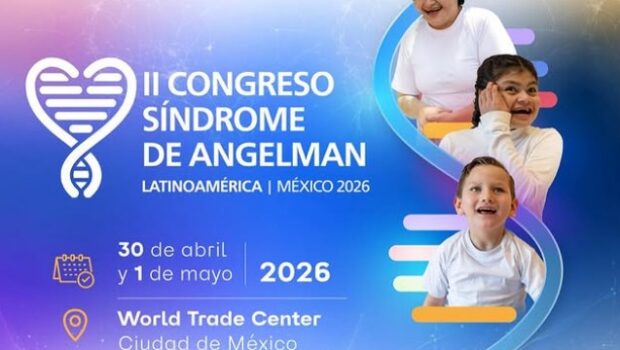
As part of the ongoing effort to standardize care and foster international cooperation, the community is preparing for the 2nd Latin American Angelman Syndrome Congress. Scheduled for April 30 and May 1, 2026, in Mexico City, this event serves as a pivotal nexus for families, clinicians, and researchers.
The congress represents a milestone in the chronological development of regional advocacy. Following the inaugural assembly, which established the initial framework for cross-border cooperation, the 2026 meeting is designed to move beyond general awareness and into the territory of specialized intervention strategies. The organizers have prioritized three core pillars:
- Clinical Best Practices: Disseminating the latest research on gene therapy trials and pharmacological management.
- Pedagogical Integration: Training educators on how to include non-speaking students in mainstream classrooms.
- Family Support Networks: Providing psychological and practical resources for parents navigating the lifelong requirements of caregiving.
The official portal, congresoangelman.com, now serves as the centralized hub for registration and research dissemination. By aggregating data from across the continent, the congress aims to rectify the disparity in diagnostic and therapeutic resources often found in Latin American health systems.
Data-Driven Implications for Public Health
The significance of the upcoming congress cannot be overstated when viewed through the lens of public health data. Currently, many regions in Latin America face a deficit in specialized multidisciplinary teams capable of addressing the multifaceted needs of Angelman syndrome patients. When children with the syndrome lack access to AAC, the result is often a cycle of social isolation and academic exclusion.

Economic studies on disability support suggest that early investment in AAC tools and professional training yields significant long-term savings for public healthcare systems. By fostering communication, individuals with Angelman syndrome require fewer intensive behavioral interventions and are more likely to participate in inclusive community settings. The congress aims to present a unified policy proposal to health ministries across Latin America, advocating for the mandatory inclusion of AAC coverage in national health packages.
Perspectives from the Advocacy Community
While the medical community focuses on the genetic mechanisms of the disorder, family advocacy groups emphasize the human element of the diagnostic journey. Claudia Marimón, a leading voice in the Spanish-speaking AAC community, has consistently argued that the "success" of an individual with Angelman syndrome is directly proportional to the community’s capacity to listen.
"We are moving past the era where we simply wait for speech," notes one anonymous representative from a regional family support organization. "We are now in an era of active construction—building bridges through symbols, technology, and, most importantly, the recognition that a lack of speech is not a lack of intelligence or intent."
The professional consensus among specialists attending the congress is that "communication accessibility" is the new standard of care. This involves not only providing devices but ensuring that the physical and social environments are designed to accept and interpret non-traditional communication.
Future Trajectories and Sustained Advocacy
The calendar of the Angelman syndrome community is strategically planned around these high-impact events. Following the February awareness month, the months of March and April serve as a ramp-up period for the Mexico City event. This timeline is intentional, designed to maintain the momentum generated during the awareness month and convert it into tangible professional development and policy advocacy at the congress.
The implications of this coordinated effort extend beyond the immediate needs of the Angelman community. The methodologies being refined—specifically the modeling of AAC and the creation of inclusive communication environments—serve as a blueprint for supporting individuals with other complex communication needs, including those with autism, cerebral palsy, and traumatic brain injuries.
As the international community turns its attention to the Mexico City congress, the primary objective remains clear: to ensure that every individual, regardless of their neuro-genetic profile, possesses the tools and the supportive network necessary to exercise their right to communicate. The 2026 assembly promises to be a transformative moment in this endeavor, marking a transition from isolated efforts to a cohesive, continent-wide commitment to equity, autonomy, and the celebration of diverse human expression.
In summary, the confluence of technological advancement, professional collaboration, and steadfast family advocacy is reshaping the reality of life for those with Angelman syndrome. By prioritizing communication, society does not just improve the lives of individuals with this diagnosis; it reaffirms the fundamental value of all voices, regardless of the medium through which they are heard. The upcoming congress serves as the next logical step in this evolution, ensuring that the progress made in the laboratory and the clinic is translated into meaningful, real-world inclusion.