

The Scope of the Training Initiative
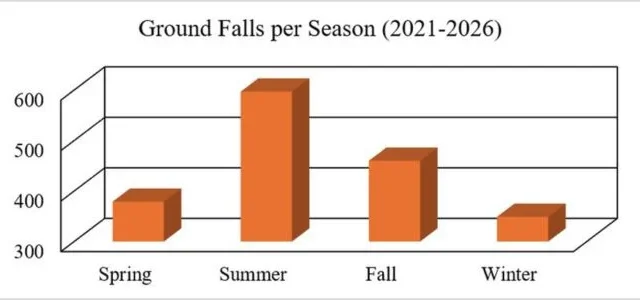
The curriculum for these sessions is meticulously designed to address the most prevalent risks in the current industrial landscape. Central to the training is the mitigation of the "Fatal Four" construction hazards, which remain the leading causes of workplace fatalities across the United States. These include falls, which account for the highest percentage of construction deaths, as well as "struck-by" objects, "caught-in-between" incidents, and electrocutions.
Beyond construction-specific risks, the workshops address the escalating threat of heat-related illnesses. As climate patterns in the Pacific Northwest shift, leading to more frequent and intense heat waves, workers in agriculture, forestry, and outdoor construction are increasingly vulnerable. The training provides actionable guidance on recognizing the early symptoms of heat exhaustion and heat stroke, as well as the implementation of mandatory hydration and rest protocols required under state law.

Furthermore, the program incorporates a robust component regarding worker rights. This includes comprehensive education on whistleblower protections, ensuring that employees understand their legal standing when reporting unsafe conditions. By fostering an environment where workers feel empowered to speak up without fear of retaliation, Oregon OSHA aims to create a culture of safety that extends beyond the classroom and into the daily operations of local businesses.
Chronology and Program Development
The origins of this initiative can be traced back to a successful grant application submitted by Oregon OSHA to the U.S. Department of Labor. Securing a $200,000 Susan Harwood Training Grant marked a significant milestone in the state’s effort to expand safety outreach. Named after the former director of the Office of Risk Assessment in OSHA’s Directorate of Health Standards, the Susan Harwood Grant Program is specifically intended to provide financial support for non-profit organizations and government entities to conduct training for workers and employers in industries with high injury rates.

Following the receipt of these funds, Oregon OSHA spent several months coordinating with the Oregon Employment Department to identify the most underserved regions. The resulting schedule targets a diverse cross-section of the state:
- Hermiston: A critical hub for regional agriculture and logistics.
- The Dalles: A key area for manufacturing and emerging tech infrastructure.
- La Grande: Serving the mountainous eastern region with high forestry and construction activity.
- Klamath Falls: Targeting industries heavily reliant on outdoor labor and seasonal work.
- McMinnville: A growing industrial center within the Willamette Valley.
- Pendleton: Addressing the specific needs of the regional trade and industrial sectors.
These sessions are slated to roll out throughout the summer, aligning with the peak season for outdoor industrial activity, when the risk of heat-related incidents and construction accidents is statistically at its highest.

Supporting Data and Industry Context
To understand the necessity of this initiative, one must look at the data provided by the Bureau of Labor Statistics (BLS) and state-level safety reports. Construction continues to be one of the most hazardous sectors in the United States, consistently recording the highest number of work-related fatalities. In Oregon, the combination of a rugged landscape and a robust agricultural sector introduces unique challenges that are not always present in more urbanized states.
Data suggests that smaller businesses are disproportionately affected by workplace accidents. Unlike large multinational corporations, which often have dedicated safety officers and robust human resources departments, smaller firms in rural areas frequently struggle to allocate the time or capital necessary for comprehensive safety training. The Susan Harwood grant is specifically designed to address this "small business gap." By providing these workshops for free, the state is effectively subsidizing safety culture, which in turn reduces the financial burden on small business owners who might otherwise face catastrophic costs associated with workplace injuries, litigation, and lost productivity.

The impact of these accidents is not merely financial. Each workplace injury results in a ripple effect through the local economy. A study on occupational health suggests that for every dollar spent on safety, there is a significant return on investment through reduced insurance premiums, improved worker retention, and increased operational efficiency.
Regulatory Framework and Official Mandates
The legal foundation for this training series is rooted in the Oregon Safe Employment Act. This legislation serves as the state’s equivalent to the federal Occupational Safety and Health Act of 1970. Under the Act, employers are held to a strict standard: they must provide a workplace free from recognized hazards that are causing or are likely to cause death or serious physical harm to employees.

The training emphasizes that safety is a shared responsibility. While the employer is tasked with maintaining the environment, the employee is tasked with utilizing the training to ensure their own protection and the protection of their peers. The inclusion of whistleblower protection education in the curriculum is a vital component of this. Historically, fear of termination has been a primary reason why unsafe working conditions go unreported until an accident occurs. By educating the workforce on their rights under the Oregon Safe Employment Act, the state is creating a secondary line of defense against negligence.
Implications for the Oregon Workforce
The implications of this initiative extend far beyond the four-hour duration of the workshops. For participants, the benefit is twofold: they receive a certificate of completion and, crucially, continuing education credits. This provides a tangible professional incentive for workers to participate, helping to bolster their resumes and professional standing within their respective trades.

From a broader policy perspective, this program signals a shift toward proactive intervention. Rather than waiting for accidents to trigger investigations or fines, Oregon OSHA is leveraging federal funding to engage in preventative education. If the summer pilot program proves successful in terms of attendance and knowledge retention, it is likely that the model will be expanded to other regions or adapted for specific industries such as manufacturing or healthcare.
Furthermore, the integration of these workshops into WorkSource Oregon centers is a strategic choice. By utilizing existing infrastructure, the state minimizes administrative overhead and ensures that the training is delivered in locations already frequented by individuals seeking employment. This synergy between the Department of Employment and OSHA reflects a holistic approach to the labor market—one that recognizes that a productive workforce must, first and foremost, be a safe workforce.
Conclusion and Future Outlook
As the state of Oregon prepares to deploy these training modules, the expectations from industry observers remain high. The initiative represents a sophisticated use of federal resources to address long-standing gaps in rural safety education. By focusing on the "Fatal Four," heat-related risks, and legal protections, Oregon OSHA is equipping the state’s workforce with the essential tools needed to navigate an increasingly complex industrial environment.
As the summer progresses, the success of these workshops will be measured not just by the number of attendees, but by the long-term trends in safety compliance and accident reporting in these rural districts. For the thousands of workers in the construction and agricultural sectors, this initiative offers a vital opportunity to prioritize their well-being, ensuring that they return home safely at the end of every shift. Those interested in participating are encouraged to register through the state’s online portal, as capacity for these sessions is expected to fill quickly given the high demand for certified safety training in the region.