A Deep Dive into the 2024 Surveillance Data
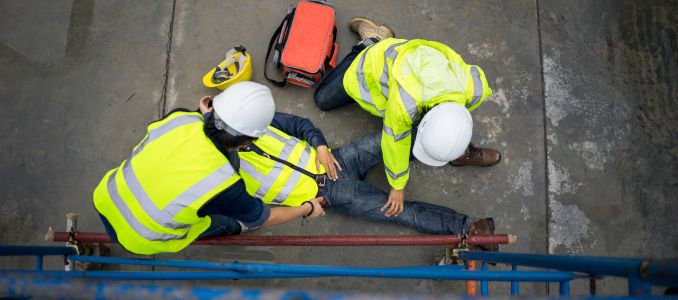
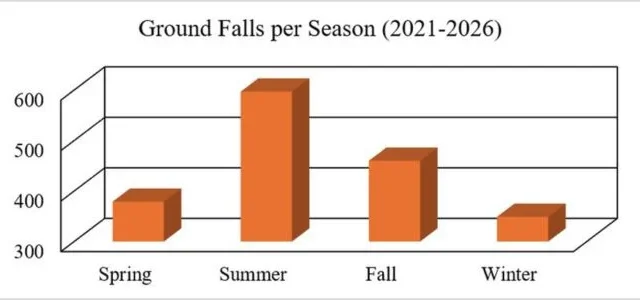
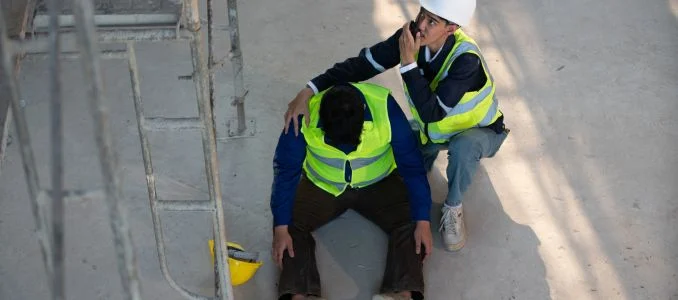
When broken down by injury mechanism, the numbers present a stark warning to safety managers. Falls—specifically falls to a lower level, such as from scaffolding, ladders, or roofs—accounted for 57% of all recorded hospitalizations. This statistic is particularly alarming for the construction industry, which, despite rigorous regulatory oversight, remains the most dangerous sector in the state. In these environments, even a momentary lapse in tethering protocols or equipment maintenance can result in life-altering consequences.
Chronology of Safety Oversight and Incident Reporting
The current surveillance system was established to bridge the gap between reactive incident reporting and proactive safety intervention. Historically, Washington has led the nation in its commitment to detailed injury tracking, viewing it as the foundation for policy adjustments.

Throughout the first quarter of 2024, early indicators from the SHARP program suggested that the post-pandemic boom in infrastructure development was correlating with an uptick in site incidents. By mid-year, the trend had solidified. The data collection process operates on a lag, ensuring that every hospitalization is verified through medical billing codes and compensation claim validation. By the time the final report was compiled in early 2026, researchers had identified a consistent pattern of high-risk activity clusters occurring primarily during mid-shift hours, often coinciding with periods of high fatigue or pressure to meet project deadlines.
The Manufacturing and Construction Divide
While construction dominates the conversation regarding falls, the manufacturing sector presents a different profile of danger. Manufacturing incidents often involve complex machinery, leading to crush injuries, lacerations, and complications from equipment malfunctions. The 2024 data reveals that manufacturing operations recorded the second-highest volume of serious hospitalizations.

Unlike construction, where the environment is often dynamic and changing, manufacturing settings are stationary. This creates a paradox: one might assume that fixed environments would be safer due to the ability to implement permanent engineering controls. However, the data suggests that in manufacturing, the combination of repetitive motion, heavy machinery maintenance, and the handling of hazardous materials creates a distinct, albeit equally dangerous, hazard profile. When workers interact with high-torque, high-speed, or high-temperature machinery, the margin for error is near zero.
Implications for Occupational Safety Policy
The implications of this study for employers and regulatory bodies are significant. Safety interventions can no longer rely on generic training modules. Instead, the data mandates a shift toward hazard-specific mitigation strategies. For construction firms, this means doubling down on fall protection systems—not just providing the gear, but ensuring a culture of rigorous enforcement and peer-to-peer accountability.

For policy makers, the report serves as a justification for increased funding for workplace safety consultations. The Department of Labor and Industries (L&I) often utilizes this data to tailor its outreach programs. When a sector shows a spike in a specific type of injury, L&I can deploy field inspectors and safety educators to provide on-site technical assistance, potentially preventing future occurrences. The goal is to move from a culture of compliance to a culture of prevention, where safety is integrated into the design phase of a project rather than addressed after an accident occurs.
Expert Perspectives on the Data
Safety advocates and occupational health professionals have long argued that hospitalization data is the most reliable metric for understanding workplace risk. Unlike near-miss reports, which are frequently under-reported, hospitalizations are a hard, indisputable metric.

"The numbers are not just statistics; they represent 537 individuals who experienced a life-changing event," noted an industry analyst familiar with the SHARP program. "When 57% of these are fall-related, it tells us that our existing fall protection standards—or at least the implementation of those standards—are failing at the point of impact. We are seeing a gap between the policy on the page and the reality on the job site."
From the perspective of organized labor, the data underscores the necessity of strong safety protections in collective bargaining agreements. Labor representatives often emphasize that workers should not have to choose between their speed of production and their physical safety. The 2024 data provides empirical support for the argument that faster production quotas often come at the expense of necessary safety checks.

The Human and Economic Cost
Beyond the immediate trauma suffered by the injured workers, the economic impact on Washington state is profound. Immediate inpatient hospitalization involves significant costs, ranging from emergency services and surgery to long-term rehabilitation and physical therapy. When workers are removed from the labor force due to injury, the loss of productivity, combined with the administrative costs of workers’ compensation claims, places an undue burden on the economy.
Furthermore, the secondary effects—such as the psychological impact on coworkers who witness a fall or an industrial accident—are often overlooked. The "culture of safety" is frequently cited in corporate boardrooms, but the reality of a traumatic injury can shatter that culture overnight, leading to decreased morale and increased turnover, which in turn creates a more dangerous work environment as less-experienced workers replace those who have been injured.
Future Projections and Recommendations
Looking ahead to 2027 and beyond, the SHARP program and related agencies are expected to focus on "predictive safety." By analyzing the conditions that existed prior to these 537 hospitalizations—such as weather conditions, time of day, and even the tenure of the employees involved—researchers hope to build models that can alert project managers to high-risk periods.
Recommendations for employers in the wake of this report are threefold:

- Enhanced Training: Implement "toolbox talks" that focus specifically on the physics of falls and the proper inspection of personal protective equipment (PPE).
- Technological Integration: Explore the use of wearable safety technology that can detect falls or signal when a worker has entered a restricted high-risk zone.
- Behavioral Safety Programs: Encourage a "stop-work authority" policy where any employee, regardless of rank, has the power and the obligation to halt work if they perceive an immediate safety hazard.
Conclusion: A Call to Action
The 2024 data from the Washington state surveillance system is a sobering reminder that industrial progress must be balanced with the sanctity of human life. With construction falls representing the most significant segment of these injuries, the industry is at a crossroads. It can continue to accept these figures as a tragic but inevitable cost of doing business, or it can utilize the provided data to overhaul safety procedures and ensure that every worker returns home at the end of their shift.
As the industry moves forward, the focus must remain on the data. By treating these 537 hospitalizations not as individual accidents but as systemic signals, Washington state can lead the way in setting a new standard for workplace safety. The report is not merely a record of the past; it is a blueprint for a safer future, provided that employers, workers, and regulators are willing to heed the warnings contained within its pages. The path forward is clear: data-driven intervention, rigorous enforcement, and an unwavering commitment to the belief that no job is so important that it is worth a worker’s health or life.