
The Incident and OSHA’s Findings
The fatal event at the FleetPride facility served as the catalyst for a comprehensive multi-week federal inspection. OSHA investigators arrived on-site to determine the root cause of the fatality, specifically looking at the environmental conditions inside the tanker trailer at the time of the inspection. The findings revealed a systemic failure to identify and mitigate atmospheric hazards.
OSHA inspectors issued a total of 19 citations, categorized into 16 "serious" violations and three "other-than-serious" violations. The core of the agency’s case rests on the company’s failure to establish, maintain, and enforce a formal confined space program. Under OSHA standard 29 CFR 1910.146, employers are mandated to evaluate workplaces to determine if spaces are "permit-required confined spaces" and to provide training, atmospheric testing equipment, and rescue protocols if such spaces are entered.

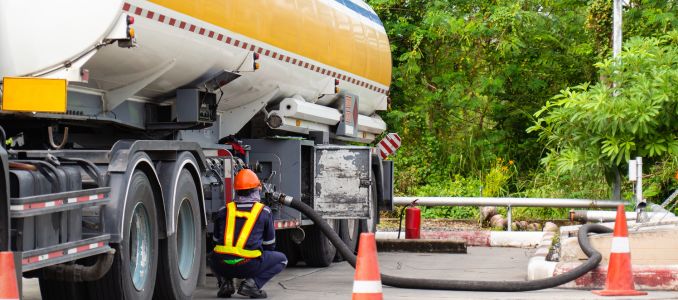
The investigation determined that the tanker trailer in question constituted a permit-required confined space. By failing to test the oxygen levels and potential toxic contaminants inside the tank before allowing the worker to enter, FleetPride allegedly bypassed the most fundamental safety barriers designed to prevent asphyxiation. Furthermore, the citations indicate that the facility’s respiratory protection program was insufficient, failing to provide employees with the training, fit-testing, and equipment maintenance required to ensure that workers are not breathing hazardous fumes or oxygen-deficient air.
Chronology of Regulatory Action
Following the fatal event, the timeline of OSHA’s intervention moved through standard administrative phases designed to ensure a thorough review of the company’s internal safety culture.

- Initial Notification: Upon being alerted to the fatality, OSHA regional officers initiated an immediate onsite inspection, securing the area to prevent further exposure and gathering evidence from the scene, including the specific tanker trailer involved in the incident.
- Evidence Collection: Investigators conducted interviews with staff and management, reviewed existing safety manuals, and examined historical training records. The data collected during this phase formed the basis for the subsequent citations regarding electrical hazards and confined space training deficiencies.
- Citation Issuance: After completing the analysis of the facility’s operations, OSHA formally issued the citation package, which included the proposed penalty of $264,380.
- Current Status: FleetPride has entered the mandatory 15-business-day window following the receipt of the citations. During this period, the company must decide whether to accept the findings, pay the penalties, or seek an informal conference with the OSHA area director to discuss the findings. Should the company choose to contest the citations, the matter will be escalated to the independent Occupational Safety and Health Review Commission (OSHRC) for an administrative hearing.
Data and Industrial Safety Context
The risks associated with confined spaces are a perennial concern for the industrial and logistics sectors. According to the Bureau of Labor Statistics (BLS), asphyxiation remains a leading cause of death in workplace accidents involving tanks, silos, and tanker trailers. When an employee enters a space with limited ventilation, the risk of oxygen depletion—often caused by rust, chemical residue, or inert gas purging—can lead to unconsciousness in a matter of seconds.
The $264,380 penalty, while significant, reflects the gravity with which the Department of Labor views failures to protect workers in high-risk environments. In recent years, OSHA has increased the maximum penalty amounts for safety violations to serve as a stronger deterrent for large, nationwide corporations. FleetPride, as a major distributor of truck and trailer parts, operates a sprawling network of facilities, making the standardization of safety protocols a complex logistical challenge. However, federal regulators maintain that the size of a corporation does not excuse the lack of basic safety equipment, such as gas detectors or mechanical ventilation systems.

Beyond the confined space violations, the citation regarding electrical hazards points to broader facility maintenance issues. Regulators found that the facility had failed to maintain electrical components in a manner consistent with National Fire Protection Association (NFPA) standards, which can create additional risks in environments where combustible vapors may be present.
Official Responses and Corporate Accountability
While FleetPride has not released a detailed public statement addressing the specific technical findings of the OSHA investigation, the nature of the citations suggests that the company is currently engaged in internal audits of its safety procedures across its national footprint.

In similar high-profile fatality cases, the typical response from corporations involves hiring third-party safety consultants to overhaul training programs and install permanent atmospheric monitoring systems. Industry safety experts suggest that for a company the size of FleetPride, the cost of the fine is secondary to the reputational damage and the potential for enhanced scrutiny from federal regulators in the coming years. OSHA frequently places companies with multiple serious violations into its Severe Violator Enforcement Program (SVEP), which mandates follow-up inspections and imposes stricter reporting requirements for an extended period.
Broader Impact and Industry Implications
The incident in Corpus Christi serves as a sobering reminder to the logistics and heavy-duty parts industries regarding the life-or-death importance of permit-required confined space training. Many smaller or mid-sized facilities often view tanker inspections as routine maintenance, potentially leading to a "normalization of deviance" where safety protocols are bypassed to save time.

The enforcement action against FleetPride underscores several critical lessons for employers:
- Verification of Atmospheric Conditions: No worker should ever enter a tank or trailer without prior testing of the atmosphere using calibrated, multi-gas detectors.
- Rescue Readiness: A confined space program is ineffective without a documented and rehearsed rescue plan. If a worker collapses, the ability of teammates to initiate a non-entry rescue can be the difference between a near-miss and a fatality.
- Comprehensive Training: Safety training must be site-specific. Generic safety manuals are insufficient; employees must understand the specific hazards associated with the equipment they interact with daily.
- Integration of Electrical and Chemical Safety: Facilities must recognize that electrical hazards in areas where chemical or fuel vapors may exist are compounded risks. Proper grounding, bonding, and explosion-proof equipment are non-negotiable in such settings.
Future Outlook and Compliance Strategy
As the 15-day window for contestation closes, the industry will be watching to see if FleetPride opts for a collaborative resolution with OSHA or a formal challenge. Regardless of the legal path chosen, the agency’s message is clear: the cost of compliance is negligible compared to the loss of human life and the subsequent regulatory consequences.

For the heavy-duty transportation sector, this event is likely to trigger a wave of self-audits. Companies that manage tanker trailers are expected to prioritize the retraining of personnel on the hazards of confined spaces and the proper use of respiratory protection. OSHA’s regional offices, particularly in industrial hubs like the Texas Gulf Coast, are expected to maintain a heightened focus on similar facilities to ensure that safety culture is not sacrificed for operational efficiency.
The tragedy in Corpus Christi underscores the necessity for constant vigilance. As logistics operations become more fast-paced and the demand for parts distribution increases, the human element—the safety and well-being of the technician on the shop floor—must remain the primary priority. FleetPride’s next steps will be closely scrutinized by labor advocates and safety professionals alike, as the case sets a benchmark for how federal regulators will handle similar violations in the future. The resolution of this case will not only determine the financial impact on the company but may also influence the development of new industry best practices regarding the inspection and maintenance of commercial tanker equipment.