A Chronology of the Search Process
The search for a new CEO began in the months preceding the 2026 announcement, following the organization’s commitment to transparency and inclusive leadership selection. The NAD board of directors, recognizing the high stakes of the appointment, initiated a comprehensive search process designed to attract candidates with deep experience in advocacy, organizational management, and community engagement.
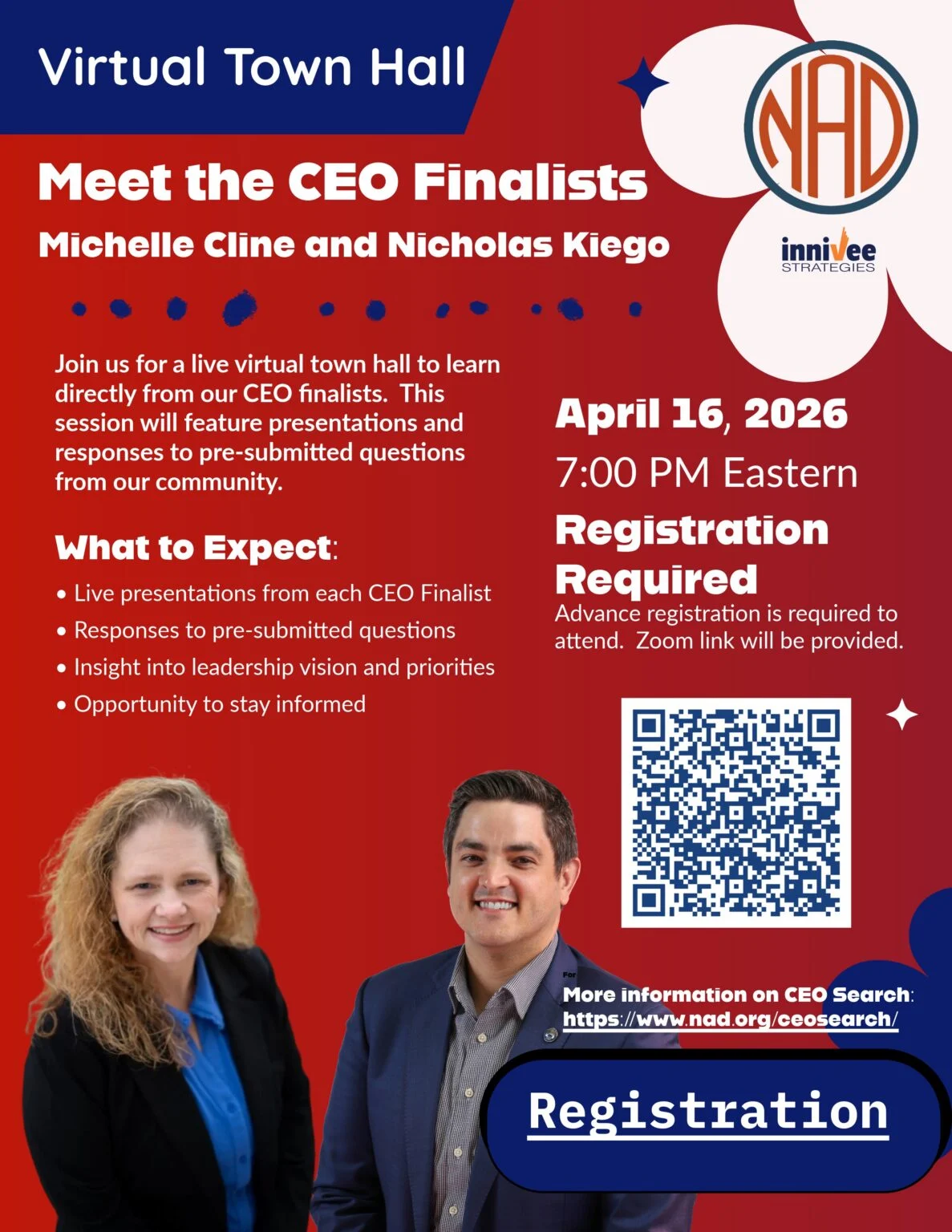
Throughout early 2026, the search committee reviewed a diverse pool of applicants, conducting multiple rounds of interviews to evaluate candidates on their strategic planning capabilities, their understanding of the Americans with Disabilities Act (ADA), and their commitment to the preservation of American Sign Language (ASL). By early April, the field was distilled to the final two candidates. The announcement on April 10, 2026, served as the formal invitation for the public to scrutinize the finalists, ensuring that the final selection would reflect the broad consensus and interests of the constituents the NAD serves.
Candidate Profiles and Leadership Visions
The two finalists, Michelle Cline and Nicholas Kiego, bring distinct professional backgrounds to the table, each reflecting different aspects of the multifaceted challenges currently facing the deaf community.
Michelle Cline has long been associated with organizational development and institutional advocacy. Her presentation during the town hall focused heavily on the necessity of structural stability and the expansion of the NAD’s legal advocacy arm. She emphasized a data-driven approach to civil rights enforcement, suggesting that the organization should leverage technology to increase the accessibility of its resources to younger generations and rural communities.
Nicholas Kiego, conversely, focused his platform on grassroots mobilization and the strengthening of affiliate relationships. His vision centers on the "community-first" model, where the NAD acts not just as a national policy body but as a direct support system for local and state associations. Kiego’s remarks highlighted the importance of intersectionality within the deaf community, promising to prioritize the needs of marginalized sub-groups, including those who are deaf-blind or hold multiple minority identities.
The Significance of the Virtual Town Hall
The virtual town hall, held on April 16, 2026, was not merely a ceremonial event but a vital component of the board’s due diligence. The structure of the event was designed to move beyond rehearsed talking points. By utilizing pre-submitted questions from the public, the NAD ensured that the candidates were forced to address specific, pressing issues that the community had been discussing on forums, social media, and local chapters throughout the search process.
The live presentations provided the audience with a window into the rhetorical styles and crisis management skills of both candidates. Given that the CEO of the NAD acts as the primary public face and representative of the organization before Congress and federal agencies, the ability to communicate effectively in ASL and represent the community’s interests with precision is paramount. The session provided a clear indicator of how each candidate would handle public scrutiny and high-pressure negotiations.
Supporting Data and Organizational Context
To understand the weight of this decision, one must consider the historical trajectory of the NAD. Founded in 1880, the organization has historically navigated significant shifts in technology—from the rise of telecommunications relay services to the current digital age—and evolving legal interpretations of the ADA.
Recent internal data from the NAD suggests a growing need for an executive who can navigate the complexities of digital accessibility in an era of rapid AI development. The organization’s financial reports indicate a robust membership base, but the demand for legal representation and policy advocacy has reached an all-time high, with the NAD currently involved in numerous high-profile class-action lawsuits regarding captioning, medical accessibility, and educational equity.
The successful candidate will inherit an organization that manages a complex budget, a national staff, and a sprawling network of volunteers. The CEO must maintain the delicate balance between maintaining the status quo of a legacy institution and spearheading the radical innovation required to remain relevant in a rapidly digitizing world.
Stakeholder Perspectives and Community Response
The community response to the announcement of the finalists has been largely positive, though marked by high expectations. Online forums within the deaf community have been active with debates comparing the merits of Cline’s administrative focus versus Kiego’s community-centric approach.
Legal advocates within the NAD’s network have noted that the next CEO will need to be well-versed in the nuances of judicial appointments and administrative law, as much of the NAD’s work is now conducted in the courtroom. Conversely, educators and youth advocates have expressed that the CEO must be a visible mentor, someone who can inspire the next generation of deaf leaders to enter fields like law, medicine, and technology.
The NAD Board of Directors has maintained an objective stance throughout this period, facilitating the forums but allowing the community to digest the information provided by the candidates. This strategy of "open-source leadership selection" is intended to build trust in the eventual outcome, ensuring that whoever is chosen has a mandate from the membership.
Broader Impact and Future Implications
The implications of this appointment extend far beyond the walls of the NAD headquarters. As the primary advocacy body for the deaf in the United States, the NAD’s policy priorities often set the tone for state-level legislation and corporate accessibility standards.
If the organization shifts toward a more aggressive, litigious posture under the new CEO, we may see an uptick in accessibility lawsuits targeting private sector companies that have lagged in providing accommodations. If the organization moves toward a collaborative, policy-focused approach, the focus might shift to legislative lobbying and federal rulemaking.
Moreover, the search process itself serves as a model for other disability rights organizations. By providing a transparent window into the executive hiring process, the NAD is reinforcing its own principles of accessibility and inclusion. The final decision, expected to be announced in the coming weeks, will be the culmination of months of rigorous vetting and public dialogue.
Conclusion: Preparing for the Next Chapter
As the April 2026 town hall concludes and the board moves into the final selection phase, the organization stands at a crossroads. The search for a new CEO is not just about filling a vacancy; it is about defining the future trajectory of the deaf civil rights movement.
The finalists, Michelle Cline and Nicholas Kiego, have provided the membership with the necessary information to evaluate their fitness for the role. With the recorded presentations and the wealth of resources available on the NAD’s official website, stakeholders have been empowered to engage deeply with this transition. Whether the organization opts for the administrative rigor of Cline or the community-driven vision of Kiego, the focus will remain on the fundamental goal: ensuring that the rights, culture, and language of the deaf community remain protected and celebrated in an increasingly interconnected society.
The NAD’s commitment to this transparent process ensures that, regardless of the individual chosen, the organization’s legitimacy remains intact, bolstered by the active participation of the very community it exists to serve. As the transition unfolds, the eyes of the national disability advocacy community remain fixed on this process, anticipating a new era of leadership that will carry the NAD into the second half of the 2020s.