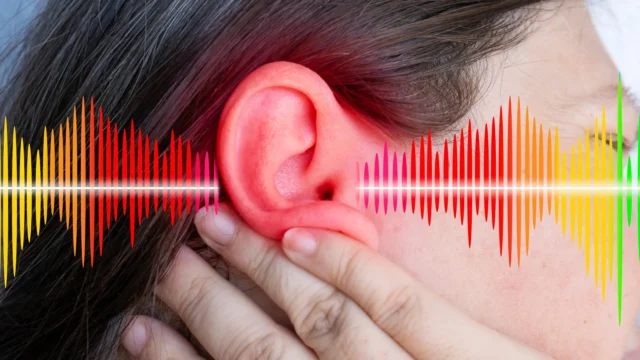
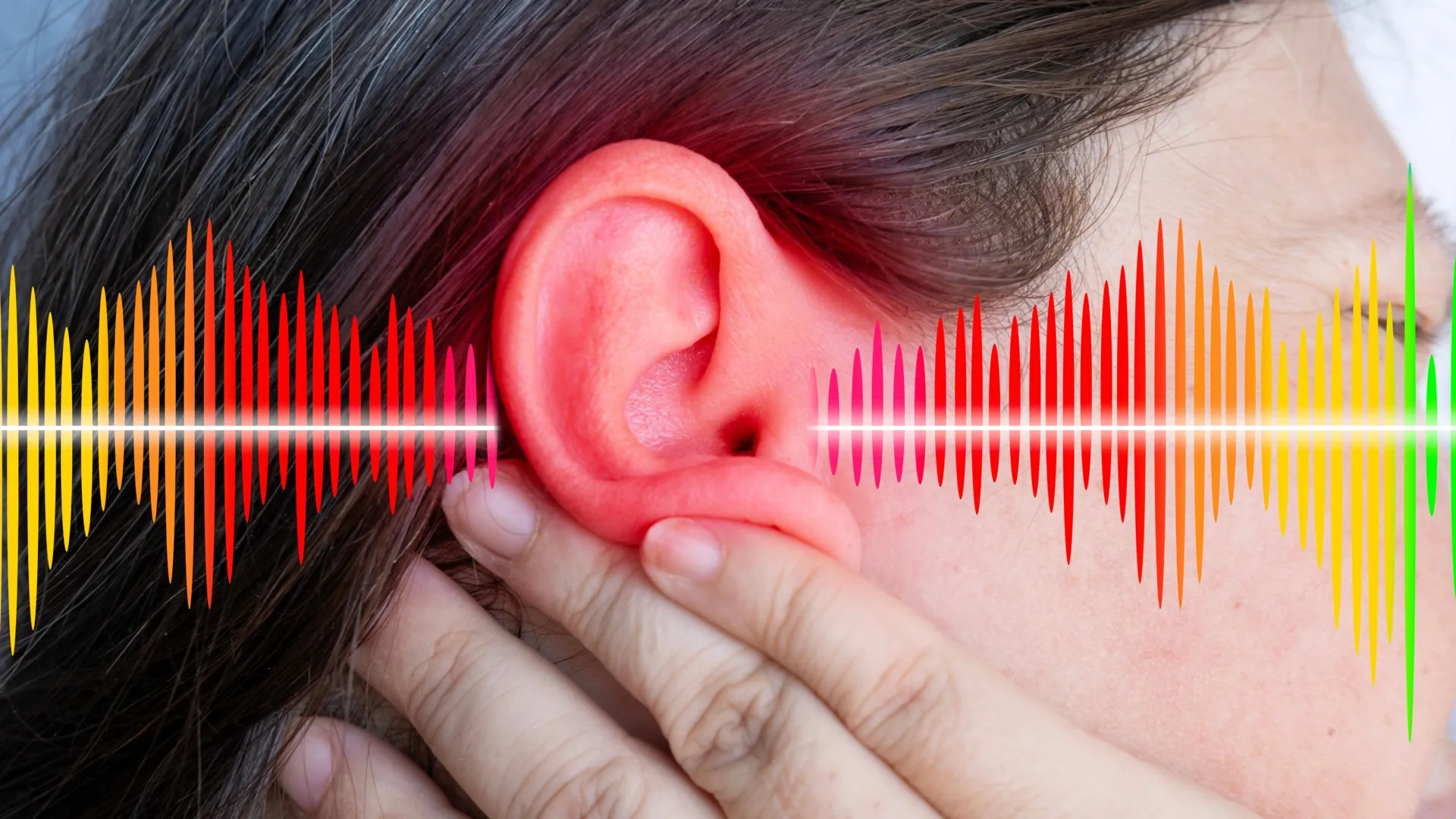
Tinnitus is far more than a minor auditory nuisance; it is a significant global health issue. Estimates suggest that approximately 14% of the global adult population—amounting to hundreds of millions of people—experience some form of the condition. For roughly 2% of the population, the condition is classified as severe, leading to debilitating sleep disturbances, cognitive impairment, and profound psychological distress. The persistent nature of the phantom noise often creates a feedback loop of anxiety and depression, which are frequently treated with antidepressants. However, the new data suggests that the very medications used to alleviate the psychological burden of tinnitus might, in some cases, be fueling the underlying auditory dysfunction.
The Dual Role of Serotonin in the Human Brain
To understand the implications of the OHSU and Anhui University study, it is necessary to examine the multifaceted role of serotonin (5-hydroxytryptamine). In the central nervous system, serotonin acts as a chemical messenger that influences a vast array of functions, including sleep, appetite, memory, and, most notably, emotional stability. By increasing the availability of serotonin in the synaptic cleft, SSRIs help stabilize mood in patients suffering from clinical depression.
However, the brain’s "wiring" is not compartmentalized in a way that prevents serotonin from affecting non-emotional systems. The auditory system, specifically the regions responsible for processing sound signals from the ears, is also sensitive to fluctuations in serotonin levels. For years, clinicians have noted anecdotal reports from patients who claimed their "ear ringing" intensified shortly after starting medications like fluoxetine (Prozac) or sertraline (Zoloft). Until now, the biological mechanism driving this phenomenon remained largely speculative.
The research team, led by co-senior author Laurence Trussell, Ph.D., a professor of otolaryngology in the OHSU School of Medicine, sought to determine if serotonin was directly stimulating the neurons involved in sound perception. "We’ve suspected that serotonin was involved in tinnitus, but we didn’t really understand how," explained co-author Zheng-Quan Tang, Ph.D., of Anhui University. Through a series of sophisticated animal models, the team was able to map the specific brain circuit that connects serotonin production to the auditory system.
Experimental Breakthroughs: Using Light to Map Sound
The researchers utilized a cutting-edge technique known as optogenetics to isolate the effects of serotonin on the brain. Optogenetics involves the genetic modification of specific neurons to make them responsive to light. By using fiber optics to deliver precise pulses of light into the brains of mice, the scientists could activate serotonin-producing neurons with millisecond precision.
This level of control allowed the team to observe the immediate reaction of the dorsal cochlear nucleus (DCN), a sensory relay station in the brainstem where auditory information is first processed. The DCN is widely considered the "ground zero" for tinnitus generation. When the researchers stimulated the serotonergic neurons, they observed a surge in activity within the DCN. This heightened activity mirrored the neural signatures of tinnitus.
To confirm that the mice were actually experiencing the sensation of phantom noise, the team employed a modified version of the auditory startle test. In this behavioral assessment, animals are exposed to a constant background noise that is occasionally interrupted by a brief silence (a "gap") followed by a loud "startle" sound. Normally, the gap allows the animal to prepare for the sound, reducing the startle response. However, animals with tinnitus cannot "hear" the silence because the phantom ringing fills the gap. The mice in the study exhibited behaviors consistent with this phenomenon, indicating that the elevation of serotonin had indeed triggered tinnitus-like symptoms.
A Chronology of Discovery
The current findings are the result of a decade-long investigation into the neurological roots of auditory phantom sensations. The timeline of this research reflects a steady narrowing of focus from general brain chemistry to specific neural pathways:
- Pre-2010: Clinical observations suggest a correlation between SSRI use and tinnitus, but the data is inconsistent. Some patients report relief from the distress of tinnitus, while others report an increase in the volume of the sound.
- 2017: Laurence Trussell and his team at OHSU publish a foundational study in Cell Reports demonstrating that serotonin-sensitive neurons in the dorsal cochlear nucleus become hyperactive when exposed to the neurotransmitter. This identifies the DCN as the primary site of interest.
- 2019–2022: Tang and Trussell begin using optogenetics to determine if serotonin release from the raphe nucleus (the brain’s serotonin factory) directly influences the DCN’s output.
- 2024: The publication in the Proceedings of the National Academy of Sciences confirms the existence of a direct circuit and demonstrates that turning this circuit off can "ameliorate the tinnitus significantly" in animal models.
This progression highlights a shift in the scientific understanding of tinnitus, moving it away from being viewed solely as an "ear problem" (otological) and toward being recognized as a "brain problem" (neurological).
The SSRI Dilemma: Balancing Mental Health and Auditory Comfort
The study’s findings present a complex challenge for healthcare providers. SSRIs are among the most frequently prescribed medications in the world. According to data from the Centers for Disease Control and Prevention (CDC), approximately 13% of Americans over the age of 18 take antidepressant medication. Given the high comorbidity between tinnitus and depression—where one often exacerbates the other—many patients find themselves in a pharmacological "catch-22."
"People with tinnitus should work with their prescribing physician to find a drug regimen that gives them a balance between relief of psychiatric symptoms like depression and anxiety, while minimizing the experience of tinnitus," said Trussell. He emphasized that the goal of the research is not to discourage the use of antidepressants, which are life-saving for many, but to provide a scientific basis for patient concerns that were previously dismissed by some clinicians.
The clinical implication is clear: physicians must validate patient reports of increased tinnitus. If a patient experiences a spike in phantom noise after starting an SSRI, it is not an imagined side effect but a documented biological reaction. In such cases, adjusting the dosage or switching to a different class of antidepressants that does not target the serotonin system as aggressively may be necessary.
Data and Prevalence: The Scope of the Problem
The urgency of this research is underscored by the sheer volume of people affected by these conditions. The American Tinnitus Association (ATA) reports that nearly 50 million Americans experience some form of tinnitus. Of those, approximately 20 million struggle with chronic, burdensome tinnitus, and 2 million suffer from extreme, debilitating cases.
Globally, the economic impact is staggering. A study published in Frontiers in Neurology estimated that the societal costs of tinnitus—including healthcare expenses, lost productivity, and disability—reach billions of dollars annually in the United States and Europe alone. When combined with the global burden of depression, which the World Health Organization (WHO) identifies as a leading cause of disability worldwide, the intersection of these two conditions represents a major public health priority.
Future Horizons: Precision Pharmacology
The ultimate goal of the OHSU and Anhui University team is to translate these findings into new therapeutic interventions. By identifying the specific receptors and circuits involved in serotonin-induced tinnitus, scientists may be able to develop "targeted" drugs.
Current antidepressants are systemic, meaning they increase serotonin throughout the entire brain. Trussell suggests that the future of treatment lies in precision: "It may be possible to develop cell- or brain region-specific drugs that steer the elevation of serotonin in some brain regions but not others. In that way, it may be possible to separate the beneficial and important effects of the antidepressant from the potentially harmful effects on hearing."
Furthermore, the ability to "turn off" the circuit, as demonstrated in the mouse models, opens the door for neuromodulation therapies. Techniques such as Transcranial Magnetic Stimulation (TMS) or Deep Brain Stimulation (DBS) could eventually be calibrated to dampen the hyperactivity in the dorsal cochlear nucleus, providing relief for patients who do not respond to traditional pharmacological approaches.
Analysis of Implications
The research marks a paradigm shift in how the medical community approaches the "phantom sound." For decades, tinnitus was often treated with a "learn to live with it" philosophy because the underlying mechanism was a mystery. By mapping the serotonin-auditory circuit, researchers have provided a tangible target for drug development.
This study also reinforces the importance of interdisciplinary medicine. The intersection of otolaryngology (ear, nose, and throat) and psychiatry is a frontier that requires closer collaboration. As our understanding of brain chemistry evolves, the side effects of medications once thought to be localized to "mood" are being revealed as influential across the entire sensory spectrum.
While the study was conducted on mice, the fundamental architecture of the mammalian auditory system and the serotonin system is highly conserved across species, making these findings highly relevant to human physiology. The research was supported by the National Institutes of Health (NIH), reflecting the high level of institutional confidence in the study’s methodology and potential impact.
In conclusion, the work of Trussell, Tang, and their colleagues provides a vital piece of the puzzle in the fight against tinnitus. By acknowledging the "delicate balance" required in treating the brain, the scientific community is moving closer to a future where mental health and auditory health are no longer at odds. For the millions of people hearing a sound that isn’t there, this research offers the most valuable commodity of all: the hope for eventual silence.