A Foundation of Early Intervention
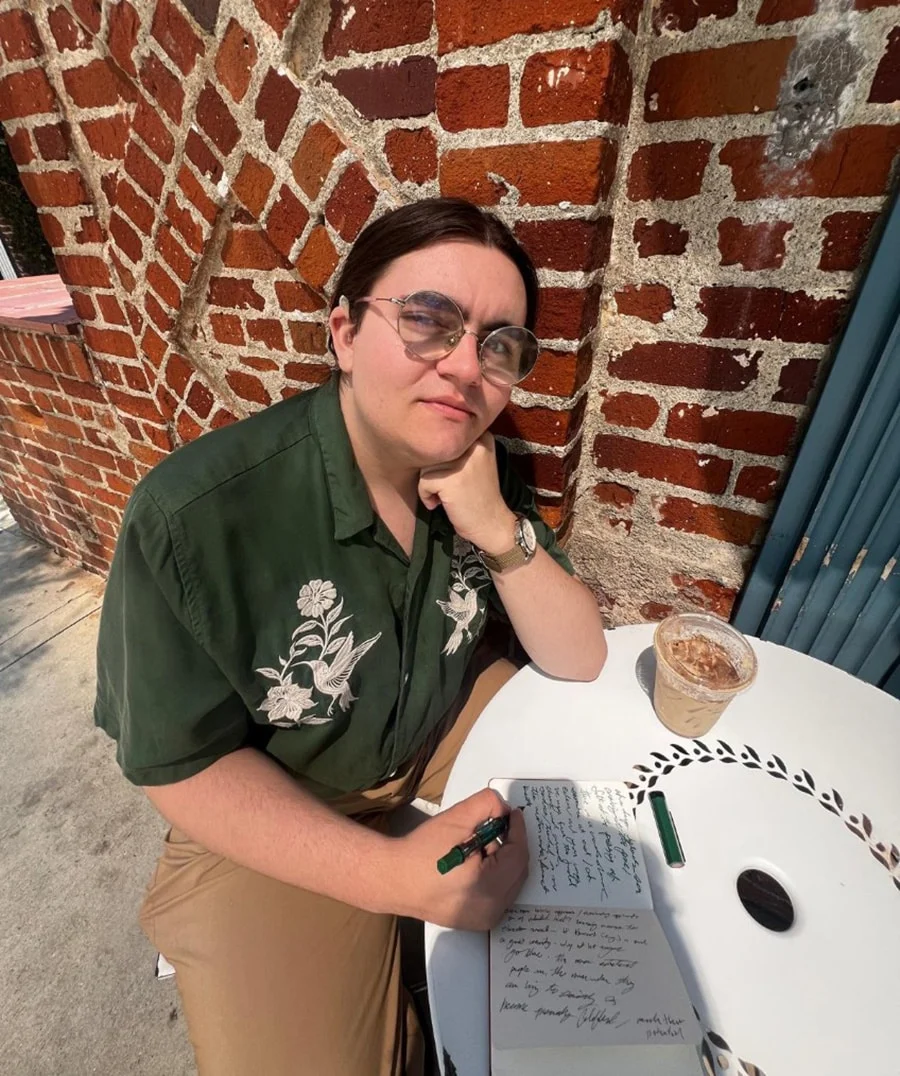
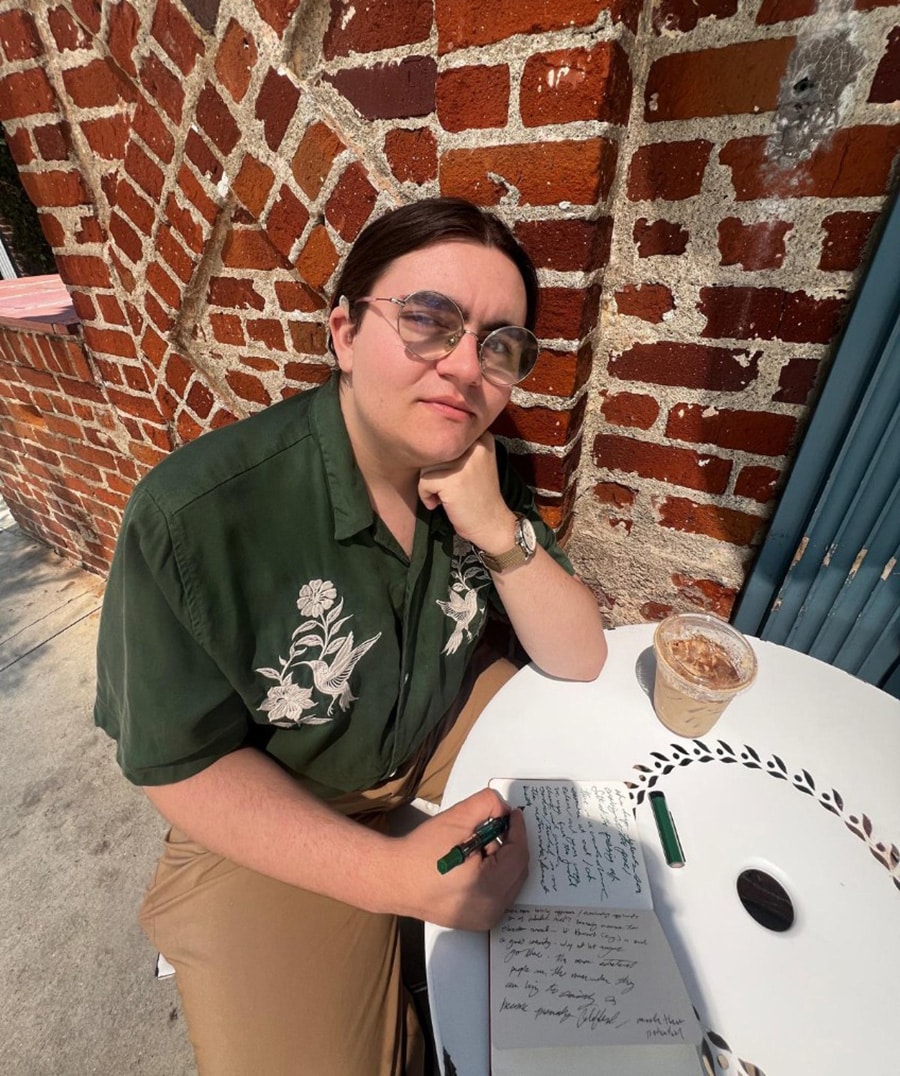
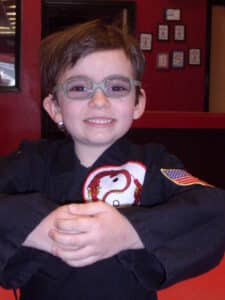
Landon Nolfi-Browne’s journey began at Listen and Talk, a center dedicated to providing resources for children with hearing loss, roughly a decade after the organization’s founding. The clinical and educational support he received during his formative years proved foundational. His parents have frequently cited the intervention of early educators, specifically noting the guidance provided by specialists named Star and Maura, as the pivotal factor that enabled Landon to navigate mainstream educational environments with confidence.
Data from the National Institute on Deafness and Other Communication Disorders (NIDCD) underscores the significance of such early intervention. Research consistently demonstrates that children who receive auditory and speech services before the age of six months show significantly higher language development scores compared to those who do not. By receiving targeted support, Nolfi-Browne was able to develop the self-determination and communication skills necessary to pursue an unconventional and rigorous academic path.
Chronology of an Accelerated Academic Career
Nolfi-Browne’s educational path diverged from the traditional secondary school model early on, characterized by a pursuit of intellectual challenges that exceeded local curriculum offerings.
- Elementary/Middle School Transition: By the 6th grade, Nolfi-Browne began enrolling in community college courses. This early immersion in higher education led him to leave his local junior high school to pursue college-level credits full-time, where he eventually transitioned into a tutoring role.
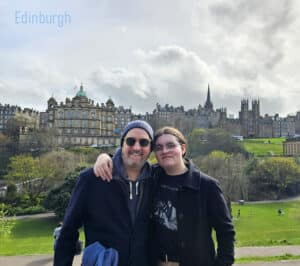
- The Edinburgh Experience: At the age of 17, following the disruption of the COVID-19 pandemic, Nolfi-Browne sought international academic opportunities. He enrolled at the University of Edinburgh, where his historical scholarship garnered praise for its academic rigor, reaching standards often reserved for professional publication.
- The UCLA Transition: Upon returning to the United States, Nolfi-Browne transferred to the University of California, Los Angeles (UCLA). His performance at the university was characterized by consistent high marks, which led to an invitation from a faculty member to serve as a research adviser.
- Professional and Institutional Recognition: His academic prowess led to his nomination as an inaugural member of the Undergraduate Advisory Council at the Gilder Lehrman Institute of American History. Currently, as he nears the completion of his History degree, his honors thesis is under review for departmental distinction.
Civic Engagement and Public Policy
Beyond the classroom, Nolfi-Browne has demonstrated a commitment to public service, most notably through his collaboration with San Francisco Board of Supervisors member Myrna Melgar. His work in public policy, which addressed complex community issues, received notable recognition, including a standing ovation during a public presentation. This practical application of his historical and political studies suggests a career path that bridges the gap between academic research and tangible social improvement.
The impact of his work with the Board of Supervisors serves as a case study in how students with hearing loss can excel in high-pressure, collaborative professional environments. His ability to navigate these spaces effectively highlights the importance of the accommodations and confidence-building measures initiated during his early education.
The Broader Implications of Early Childhood Support
The success of individuals like Nolfi-Browne provides empirical evidence for the necessity of funding for non-profit organizations focused on auditory health and communication development. Listen and Talk, as a social impact enterprise, relies on philanthropic support to provide the specialized therapy and educational resources that remain vital for children who face barriers due to hearing loss.
The economic and social implications of these programs are significant. According to reports from the World Health Organization (WHO), addressing hearing loss through early detection and rehabilitation is a cost-effective measure that promotes long-term educational attainment and workforce participation. When children are given the tools to thrive in standard educational settings, the societal costs associated with long-term dependency or educational underachievement are substantially reduced.
Institutional Perspective and Future Goals
The "Life Without Limits" award is not merely a celebration of past achievements; it is an endorsement of the philosophy that hearing loss, when managed with appropriate resources, need not be a barrier to high-level academic and professional success. For Listen and Talk, Nolfi-Browne represents the culmination of their institutional mission.
"Living a life without limits is about the ability to keep going, to keep forging a path, even when the outcomes are not what you thought they would be," Nolfi-Browne remarked during his acknowledgment of the award. His perspective suggests a resilient mindset that is often cited as a key indicator of success among students who have overcome developmental or physical challenges.
The organization continues to advocate for the expansion of programs that include speech therapy, audiology, and parent education. By standardizing access to these resources, advocates argue that society can mirror the success of individuals like Nolfi-Browne on a broader scale.
Assessing the Path Forward
As Nolfi-Browne completes his tenure at UCLA, his trajectory serves as a reference point for future students navigating similar challenges. The recognition he has received—from university honors to public policy accolades—is a validation of the "no child is limited by hearing loss" vision championed by his early educators.
The current focus of the philanthropic community remains on ensuring that the financial barriers to such outcomes are dismantled. By funding organizations like Listen and Talk, donors directly contribute to the provision of essential services that enable children to reach their full potential. As the organization notes, the ultimate goal is to move toward a future where early intervention is a universal standard rather than a luxury of those who can secure specific resources.
In conclusion, the story of Landon Nolfi-Browne is one of academic rigor, persistent civic engagement, and the profound impact of specialized support. As he prepares to transition from the undergraduate environment into his next professional or academic chapter, his legacy at the institution that supported his early growth remains a powerful example of what is possible when early intervention meets individual determination. His recognition with the Life Without Limits award underscores a fundamental truth in educational equity: when the right tools are provided at the right time, the potential for individual growth is boundless.