The Historical Significance of International Book Day
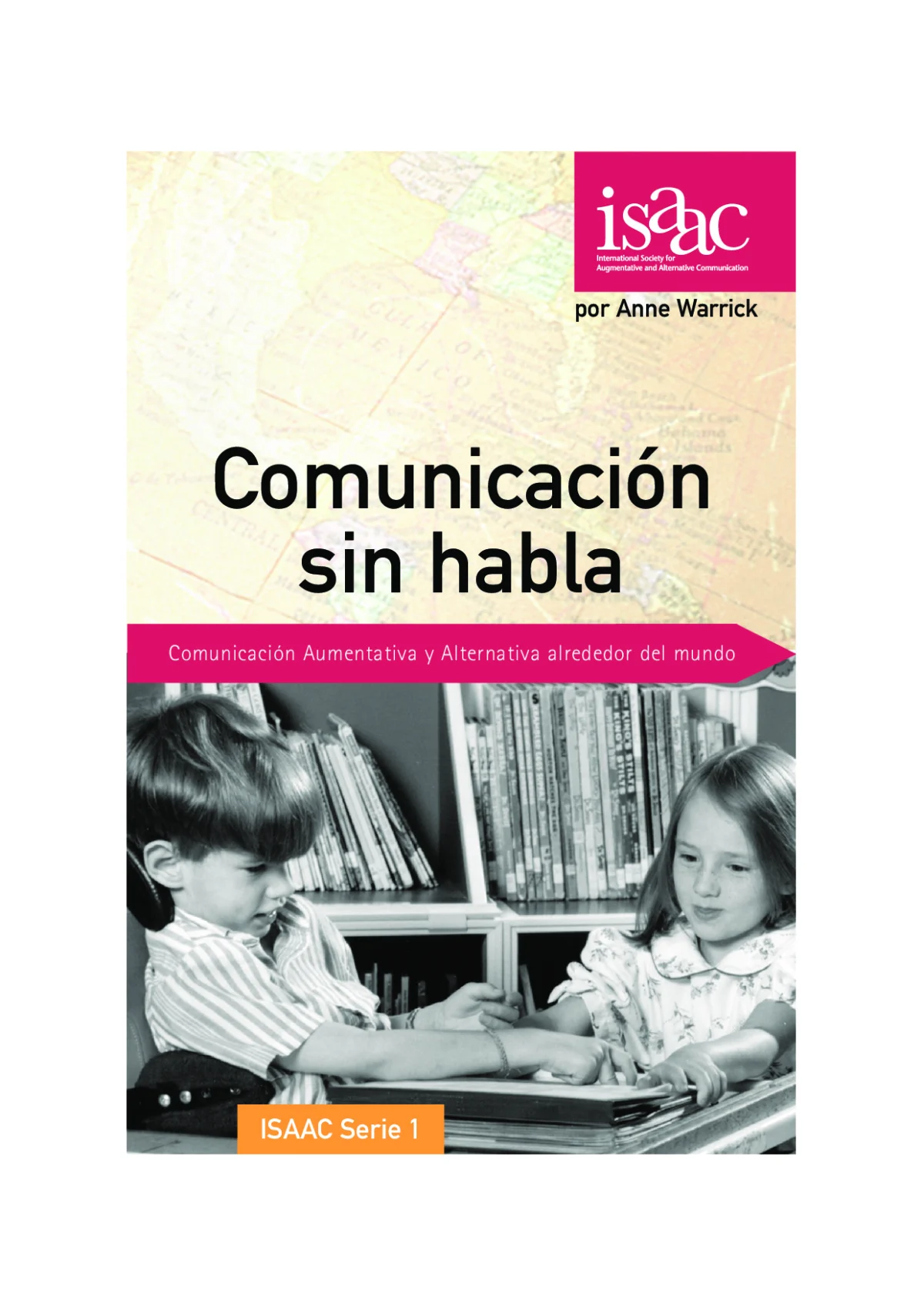
International Book Day, established by UNESCO in 1995, commemorates the legacy of literature and the fundamental right to access information. In the context of disability studies and assistive technology, the date acts as an annual review point for accessibility. For decades, the professional literature surrounding AAC—a field encompassing tools, strategies, and technologies used to support communication for individuals with limited speech—was dominated by English-language publications. This created a systemic barrier for Spanish-speaking clinicians, educators, and families, who often had to rely on untranslated research or adapt English-based models to linguistic and cultural contexts that were not always congruent.
Bridging the Language Gap: A Chronological Evolution
The history of Spanish-language AAC resources can be categorized into three distinct eras:
- The Foundational Period (1980–2000): During this time, AAC was a nascent field in many Spanish-speaking countries. Most materials were anecdotal or imported from North American academic circles without formal translation, limiting the reach to those fluent in English.
- The Institutional Emergence (2000–2015): The formation of local chapters of the International Society for Augmentative and Alternative Communication (ISAAC) marked a turning point. These organizations began prioritizing the translation of core competency standards and clinical guidelines, though high-level academic texts remained scarce.
- The Era of Global Integration (2015–Present): With the rise of digital publishing and international collaborative efforts, the last decade has seen an unprecedented influx of translated textbooks. The current focus has shifted from mere translation to the creation of culturally adapted clinical frameworks that reflect the specific linguistic nuances of Spanish-speaking populations.
Key Academic Contributions
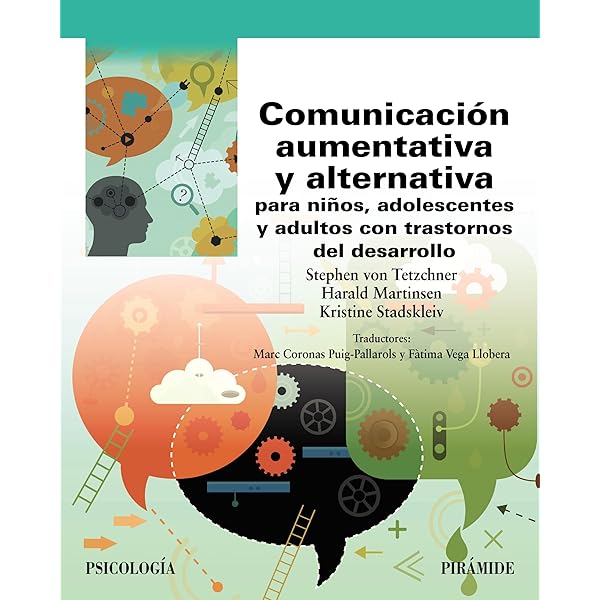
A pivotal development in the current landscape is the publication of Augmentative and Alternative Communication for Children, Adolescents and Adults with Developmental Disorders, authored by Stephen von Tetzchner, Harald Martinsen, and Kristine Stadskleiv. This text has been identified by experts, including practitioners like Claudia Marimón, as a cornerstone of modern AAC training.
The significance of this work lies in its evidence-based approach to the four pillars of AAC: theoretical foundations, assessment protocols, intervention strategies, and long-term language development. By providing this information in Spanish, the academic community ensures that clinical decision-making is rooted in global best practices rather than localized, unverified methods. The shift toward such high-level literature allows for a standardization of care, ensuring that an individual receiving therapy in Buenos Aires, Mexico City, or Madrid is exposed to a comparable quality of intervention.
Data and Accessibility Metrics
The expansion of these resources is not merely a matter of convenience but a response to demographic data. According to the World Health Organization (WHO), over 1 billion people live with some form of disability, with a significant percentage requiring AAC support. In the Spanish-speaking world, which encompasses over 480 million native speakers, the lack of accessible, localized educational material has historically correlated with lower rates of successful AAC implementation.
Recent surveys by regional health ministries and NGOs suggest that when specialized literature is available in the primary language of the caregiver, the rate of "abandonment"—the phenomenon where AAC devices are discarded due to a lack of training or support—decreases by an estimated 25% to 30%. This suggests that the translation of academic texts is directly linked to the efficacy of the technology itself.
Official Perspectives and Institutional Roles
Organizations such as ISAAC have been instrumental in this trajectory. By facilitating peer-reviewed translations and hosting international conferences, these entities have fostered a "community of practice." Experts within these organizations note that the primary challenge is no longer just the translation of words, but the adaptation of clinical logic.

"The goal," notes a report by a regional pedagogical committee, "is to ensure that the pedagogical framework recognizes that communication is a cultural act." Consequently, the recent trend in AAC publishing involves not just translating existing English texts, but commissioning new research that considers the unique syntactic and social structures of the Spanish language.
Broader Implications for Education and Therapy
The availability of professional literature has profound implications for the interdisciplinary teams that support individuals with CCN. Speech-language pathologists (SLPs), special education teachers, and occupational therapists now have access to a shared technical lexicon. This consistency is vital in school-based settings, where the transition between home and the classroom often represents the most vulnerable point in a student’s communication journey.
Furthermore, the democratization of this knowledge empowers families. When parents and guardians have access to the same evidence-based literature as clinicians, they become more effective advocates for their children. This shared knowledge base facilitates a collaborative model of care, where the family is an active participant in the design and implementation of communication systems.
Future Trajectories: Digital Transformation and Beyond
Looking ahead, the next phase of development in Spanish-language AAC resources is expected to leverage digital accessibility. The transition from print to e-books, open-access journals, and multimedia-enhanced learning modules will further lower the barrier to entry for remote or underserved regions.
The integration of artificial intelligence in translation services also promises to accelerate the speed at which new research findings are available to Spanish-speaking practitioners. However, experts warn that the human element—the clinical judgment required to interpret research in a real-world setting—cannot be replaced. The ongoing emphasis remains on the "human-in-the-loop" model, where translated text serves as the foundation for locally informed, culturally sensitive practice.
Conclusion: A Foundation for Inclusivity
The celebration of International Book Day serves as a reminder that literacy is the gateway to agency. In the field of AAC, the growth of a robust Spanish-language library is more than an academic achievement; it is a human rights milestone. By ensuring that practitioners and families have the tools they need to understand, evaluate, and implement communication supports, the community is moving closer to a reality where silence is not the default state for individuals with complex communication needs.
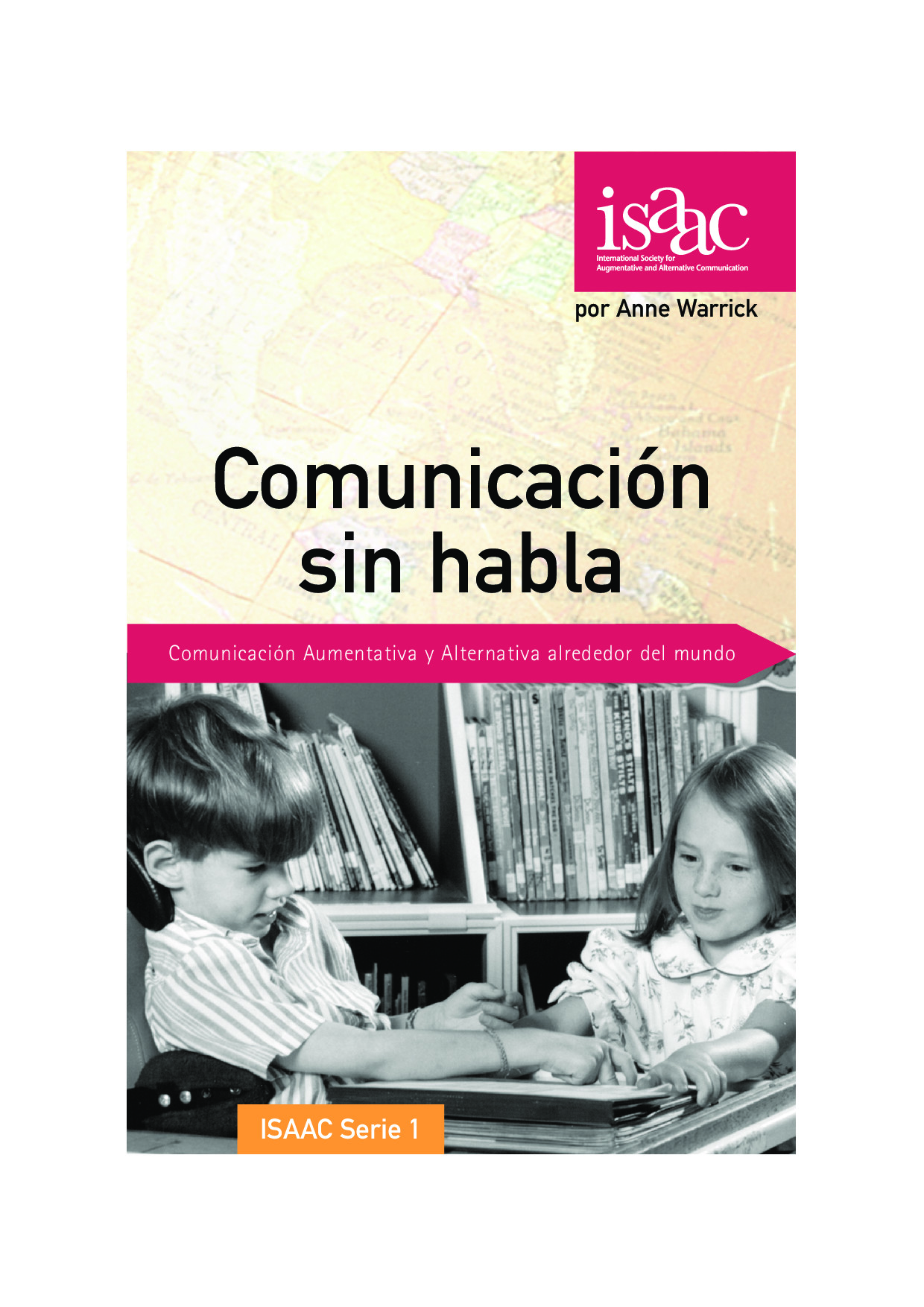
As more classic and contemporary texts become available, the field of AAC in Spanish-speaking countries is poised for a period of rigorous professionalization. The collaborative efforts of authors, translators, and advocacy organizations continue to prove that when knowledge is made accessible, the impact on individual lives is both immediate and profound. The focus for the coming years will remain on sustaining this momentum, ensuring that the resources developed today become the standard for the inclusive, informed, and equitable communication practices of tomorrow.