The Evolution of Organizational Conduct Policies
The concept of "zero tolerance" emerged prominently in the American legal and educational landscape during the 1980s and 1990s. Initially designed to curb violence and drug use in public schools, the policy framework was characterized by mandatory, predetermined punishments for specific infractions, regardless of context or mitigating circumstances. Over the following decades, sociologists and civil rights advocates began documenting the adverse impacts of such policies, noting that they often led to the disproportionate punishment of marginalized groups and, in some cases, exacerbated systemic inequities rather than resolving them.
For organizations like the NAD—the nation’s premier civil rights organization for deaf and hard-of-hearing individuals—the intersection of administrative policy and social justice is critical. The NAD’s policy was originally implemented to provide a robust framework for addressing harassment, bullying, and discriminatory conduct. However, as cultural discourse shifts toward restorative justice models—which emphasize repairing harm and community accountability over strictly punitive measures—the "zero tolerance" label has come under scrutiny for its perceived rigidity and its association with carceral systems that many activists argue do not foster true safety or belonging.
Chronology of the Current Policy Review
The discourse surrounding the NAD’s policy did not emerge in a vacuum. The organization has utilized various versions of conduct policies for several years, particularly during biennial national conferences where thousands of attendees gather.
- Pre-2024: The NAD maintained a standard conduct policy aimed at ensuring a safe environment for all participants, which evolved into the current Zero Tolerance Policy format.
- 2024–2025: As the organization prepared for the lead-up to the 2026 conference cycle, community members began expressing concern via social media and direct communication with the Board regarding the implications of the policy’s title and the perceived lack of restorative mechanisms.
- Early 2026: Internal discussions within the Board of Directors began to gain momentum as the volume of member feedback reached a threshold that necessitated a formal response.
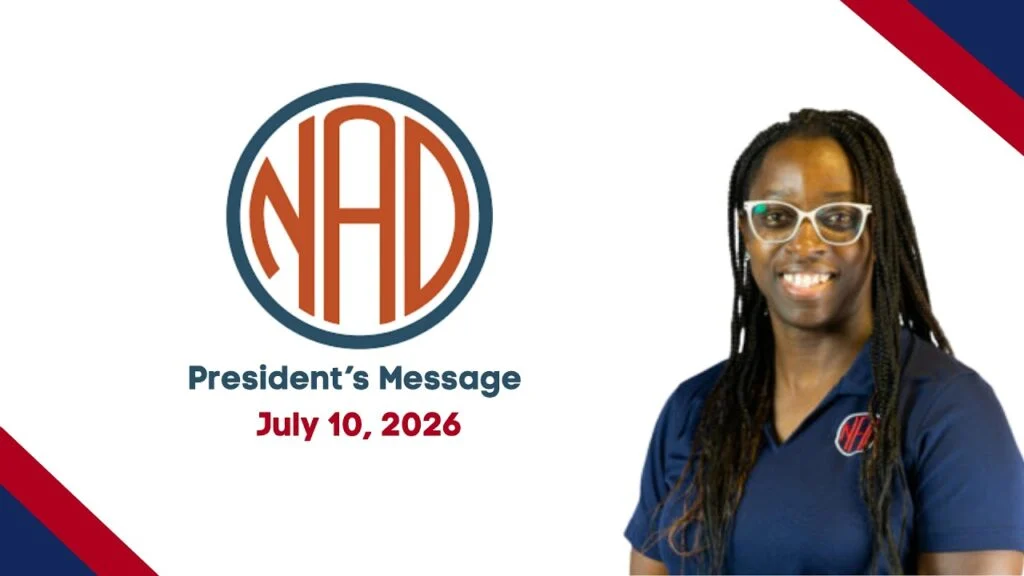
- July 10, 2026: President Stephanie Hakulin released a video message and a written statement acknowledging the community’s concerns and formally announcing the initiation of a comprehensive policy review.
Analysis of Policy Language and Community Impact
In the professional non-profit sector, the choice of language is rarely merely semantic. "Zero tolerance" implies a binary approach: either a violation occurred and a specific, often severe, penalty is applied, or it did not. Critics argue that this leaves little room for nuance, educational intervention, or the complexities of interpersonal conflict within tight-knit communities.
When applied to the deaf community, which is characterized by a high degree of intersectionality and a shared history of systemic oppression, the language carries additional weight. Community leaders have pointed out that policies modeled on punitive systems can inadvertently mimic the very structures of exclusion that the deaf community has fought against in the realms of education, employment, and public policy. By transitioning toward language that centers on "accountability" and "restorative approaches," the NAD could align its internal governance with the broader social justice advocacy work it performs on the national stage.
Data and Organizational Standards
The move to review internal policies reflects a broader trend among national advocacy organizations to modernize their governance. According to data from the National Council of Nonprofits, organizations that update their codes of conduct every three to five years are significantly more likely to foster high levels of stakeholder trust. Furthermore, the shift from purely punitive policies to "Restorative Practice" models has seen a rise in efficacy in organizational settings.
A study conducted by the International Institute for Restorative Practices found that organizations utilizing restorative dialogue rather than strict zero-tolerance mandates saw a 30% increase in member engagement and a marked improvement in conflict resolution outcomes. By evaluating its current policy, the NAD is positioning itself to potentially join a growing cohort of national advocacy groups that prioritize community-led solutions to misconduct.
Official Response and Board Commitment
In her address, President Hakulin was careful to balance the acknowledgement of community frustration with the necessity of maintaining order. She emphasized that the policy, while under review, remains the governing document for all NAD activities. This ensures that the protections currently in place—designed to shield participants from harassment and discrimination—are not suspended during the transition.
"Good intentions do not replace the need to understand how the language is interpreted and experienced by our community," Hakulin stated in her address. This acknowledgment marks a significant shift in the NAD’s public-facing communications, signaling a willingness to prioritize member experience over administrative tradition.
The Board has not provided a specific deadline for the conclusion of this review, citing the need for a "thoughtful and comprehensive" process. This indicates that the organization intends to solicit formal input from its membership, likely through town halls, surveys, or focus groups, to ensure that any potential revisions are representative of the diverse needs of the deaf and hard-of-hearing population.
Broader Implications for the Deaf Community
The implications of this review extend beyond the internal mechanics of the NAD. As a leading voice for millions of individuals, the NAD’s governance decisions often serve as a template for state-level associations and smaller deaf-interest organizations. Should the NAD adopt a policy that eschews the "zero tolerance" label in favor of language emphasizing restorative justice, it is highly probable that other organizations within the deaf advocacy ecosystem will follow suit.
This process also highlights the evolving nature of accountability in the digital age. With social media providing a platform for immediate, widespread community critique, organizations are finding that they can no longer operate in silos. The feedback loop between the leadership and the grassroots membership is now tighter than ever, and the NAD’s responsiveness to this pressure will likely influence how the organization is viewed by younger generations of deaf advocates who prioritize radical transparency and inclusive governance.
Conclusion: Looking Toward the Future
The path forward for the NAD involves navigating the tension between maintaining a safe environment and upholding the values of the community it serves. As the Board moves forward with its evaluation, the primary challenge will be to draft a policy that retains the teeth necessary to prevent abuse while adopting a tone that fosters growth and accountability.
The commitment to "open and honest communication" mentioned by Hakulin suggests that the organization is prepared for a lengthy dialogue. By inviting the community into the policy-making process, the NAD is attempting to rebuild trust and ensure that its governance reflects the dignity and respect that are foundational to the organization’s mission. The deaf community now waits to see how these words will be translated into concrete policy changes, with the expectation that the final outcome will reflect a modern, nuanced approach to organizational justice.