Leadership Transition and Organizational Stability
The appointment of Mr. Kiego comes at the conclusion of a tenure defined by crisis management and stabilization under Interim CEO Bobbie Beth Scoggins. Following a period of organizational volatility, Scoggins was brought in to navigate the association through turbulent waters. Over the last 24 months, her administration focused heavily on fiscal transparency, the restoration of internal governance, and the re-establishment of the NAD’s operational foundation.
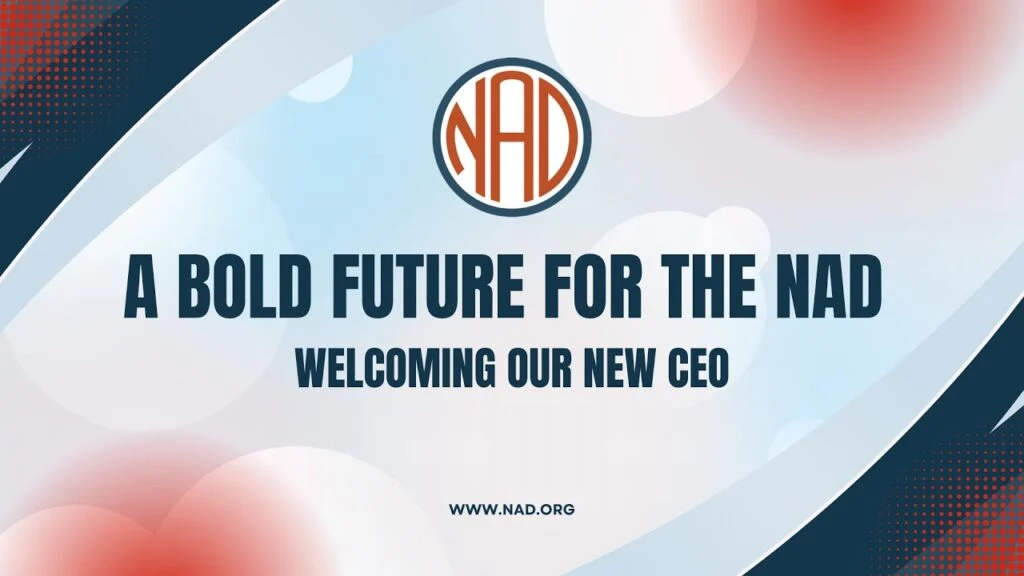
According to Board President Stephanie Hakulin, the transition to Mr. Kiego is not merely a change in personnel but a strategic pivot toward growth. "The NAD stands on solid ground," Hakulin noted in a recent announcement, emphasizing that the groundwork laid by Scoggins has provided the necessary infrastructure for a new executive to focus on expansion and advocacy rather than remediation. The Board’s confidence in Mr. Kiego is rooted in his stated commitment to fiscal health and his vision for revitalizing the association’s mission.
A New Strategic Vision
In his introductory remarks, Mr. Kiego outlined a multi-faceted approach to his leadership, identifying specific priorities that align with the concerns of the broader deaf community. These priorities include the restoration of trust among stakeholders, the implementation of rigorous financial management systems, the growth of organizational membership, and a renewed focus on revenue diversification.
For many observers within the non-profit sector, the focus on "rebuilding trust" suggests an acknowledgment of the internal and external challenges the NAD has faced in recent years. By prioritizing membership growth and mission-driven advocacy, Kiego aims to re-engage a community that has at times felt disconnected from the national body. His commitment to meeting with members at the upcoming 58th Biennial NAD Conference is viewed as a symbolic and practical step toward inclusive governance, allowing him to gather feedback directly from the grassroots base of the organization.
Chronology of the Executive Search
The path to this appointment involved a rigorous search process overseen by a dedicated CEO Search Committee. The chronology of this transition reflects the gravity the Board placed on the selection:
- 2024–2025: The organization operated under the guidance of Interim CEO Bobbie Beth Scoggins, focusing on internal audits, restructuring, and stabilization of staff morale.
- Late 2025: The Board of Directors authorized a nationwide search for a permanent CEO, engaging with stakeholders and community members to define the profile of the ideal candidate.
- Early 2026: The Search Committee reviewed a diverse pool of applicants, conducting multiple rounds of interviews and vetting candidates against the strategic goals identified for the next decade.
- May 2026: The Board officially selected Nicholas Kiego, citing his vision and alignment with the long-term goals of the federation.
- June 2026: The announcement is made public, coinciding with the lead-up to the biennial conference.
- August 1, 2026: Mr. Kiego formally assumes the role of CEO.
Contextualizing the Role of the NAD
The National Association of the Deaf, established in 1880, serves as the primary advocacy organization for the approximately 11 million Americans who are deaf or hard of hearing. Its mission encompasses legislative advocacy, legal support, and the promotion of American Sign Language (ASL).
The challenges facing the organization are reflective of those facing many legacy non-profits in the digital age. The need to maintain relevance among younger generations while upholding the rights of an aging population requires a delicate balance of traditional advocacy and modern digital engagement. Financial data for major civil rights non-profits indicates that sustainable revenue now relies heavily on digital memberships and diverse donor bases, both of which are central to Kiego’s stated strategy.
The 58th Biennial Conference: A Platform for Change
The 58th Biennial NAD Conference, scheduled for June 30 through July 5, 2026, in San Francisco, will serve as the venue for the formal introduction of the new CEO to the public. Beyond the ceremonial aspects, the conference is designed to be a working summit.
Strategic goal-setting sessions are planned, allowing organizational affiliates—which include state associations and local clubs—to contribute to the long-term planning process. This approach is intended to decentralize the decision-making process, ensuring that the national office is effectively serving the needs of local communities. The conference, themed around a "Bold Future," is expected to draw hundreds of delegates from across the country, providing Mr. Kiego with an immediate opportunity to gauge the sentiment of the membership.
Implications and Future Outlook
The transition of leadership at the NAD carries significant weight for the broader disability rights movement in the United States. As the organization pivots away from a period of defensive management, the incoming administration is expected to increase its presence in policy circles. Potential areas of focus for the new CEO include the expansion of educational access for deaf students, the improvement of employment opportunities for the deaf workforce, and the continued fight for equal access to telecommunications and emergency services.
Economists and non-profit analysts suggest that the NAD’s ability to influence these sectors is directly tied to its financial health. By focusing on "growing revenue" and "fiscal stability," Kiego is signaling that he intends to transform the NAD into a more robust entity capable of sustaining prolonged legal and legislative battles.
Furthermore, the emphasis on community engagement—specifically the invitation to members to share their stories—indicates a move toward more transparent leadership. If successful, this strategy could result in a significant increase in membership numbers, which would, in turn, increase the organization’s leverage in Washington, D.C., and in courtrooms across the nation.
Official Responses and Community Feedback
The response from the Board of Directors has been one of unified support. President Stephanie Hakulin’s public endorsement serves as a signal to the membership that the Board is fully aligned with the incoming CEO. By explicitly thanking the Search Committee and the community members who provided feedback, the Board is working to ensure that the appointment is seen as a collective success rather than an executive mandate.
The reaction from the community, while preliminary, appears focused on optimism. The inclusion of video messaging and clear, accessible communication formats in the announcement highlights the organization’s commitment to providing information in the primary languages of its constituents. As the organization prepares for the San Francisco conference, the primary metric of success for Mr. Kiego will be his ability to convert this initial goodwill into tangible organizational progress.
Conclusion: Charting the Next Chapter
As the NAD prepares for this transition, the atmosphere is one of deliberate preparation. The "heavy lifting" performed by the interim administration has provided the new leadership with a stable platform, but the challenges ahead remain substantial. The expectations for the new CEO are high, reflecting the importance of the NAD in the lives of millions.
With the 2026 conference on the horizon, the focus is now squarely on the future. Mr. Kiego’s arrival in August will be the first step in a long-term plan to ensure that the NAD continues to lead the fight for equality, access, and empowerment for the deaf and hard-of-hearing community. Whether he can successfully unite the federation and restore its financial prominence will be a defining story for the organization in the coming years. For now, the Board of Directors and the incoming CEO are calling for unity, inviting all members to participate in the upcoming conference to help shape the path forward for the association.
The NAD, with over 140 years of history, continues to evolve, and this change in leadership represents a critical juncture in its ongoing efforts to advocate for the civil rights of its members across the United States. As August 1 approaches, the organization is clearly signaling that it is not merely looking to sustain its existence, but to thrive in a new era of advocacy and service.