The Legacy of the Brookwood-Sago Grants
The grant program is deeply rooted in the legislative aftermath of two of the deadliest mining disasters in modern American history. Established under the Mine Improvement and New Emergency Response (MINER) Act of 2006, the funding serves as a living memorial to the 25 miners who lost their lives in the 2001 Jim Walter Resources No. 5 mine explosion in Brookwood, Alabama, and the 2006 Sago mine disaster in Buckhannon, West Virginia.
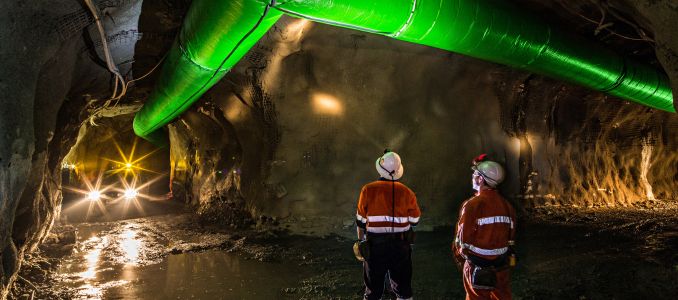
The MINER Act, signed into law following these tragedies, was a landmark piece of legislation that overhauled federal mining regulations. It mandated improved communication, tracking, and emergency refuge chamber standards for underground coal mines. The Brookwood-Sago grants are the educational component of this mandate, ensuring that the lessons learned from these catastrophes—specifically regarding mine rescue, fire suppression, and emergency escape protocols—are disseminated to the current workforce.
Timeline of Tragedies: Why the Program Exists
To understand the necessity of this funding, one must examine the events that precipitated the legislative response. On September 23, 2001, an explosion at the Jim Walter Resources No. 5 mine resulted in the deaths of 13 workers. The investigation revealed significant failures in hazard management and ventilation monitoring.
Five years later, the nation was gripped by the Sago mine disaster, where an explosion trapped 13 miners for nearly two days. Only one miner survived the incident, while 12 perished. The Sago event became a rallying point for labor advocates and safety professionals, highlighting systemic weaknesses in emergency preparedness and the lack of robust training for non-routine emergency scenarios. The subsequent passage of the MINER Act fundamentally changed the landscape of the industry, shifting the focus from reactive regulation to proactive, skill-based training.

Grant Objectives and Targeted Training
The current $250,000 allocation is designated for organizations capable of developing and delivering high-impact safety training programs. MSHA has specified that the curriculum must focus on the most critical areas of mining risk:
- Hazard Identification: Training workers to spot structural instabilities, methane accumulation, and equipment malfunctions before they escalate into emergencies.
- Emergency Response and Recovery: Providing simulation-based training for mine rescue teams and site-wide emergency evacuations.
- Technological Integration: Educating miners on the use of advanced tracking systems and communication technologies mandated by the 2006 Act.
- Customized Environment Training: Addressing the unique safety challenges inherent in different extraction methods, whether in coal, metal, or non-metal mining.
The program prioritizes entities that can reach miners in rural or underserved areas where access to high-quality, up-to-date safety curriculum may be limited.
Supporting Data and Industry Context
Mining remains one of the most hazardous occupations in the United States, despite significant advancements in safety protocols. According to data provided by the Bureau of Labor Statistics (BLS) and MSHA, the sector continues to face challenges related to worker fatigue, equipment failure, and environmental hazards.

In recent years, industry safety metrics have shown a plateau in fatality reduction, prompting federal regulators to double down on education. Statistics indicate that the vast majority of mining accidents are preventable through better adherence to established safety protocols. By funding third-party training organizations, MSHA leverages the expertise of academic institutions, trade associations, and non-profits to reach workers more effectively than standard federal inspection protocols alone.
Furthermore, the integration of new technologies, such as automated longwall mining and remote-operated loaders, necessitates a new tier of safety training. The grant program is specifically designed to be flexible, allowing awardees to update their training materials to reflect modern technological shifts in the industry.
The Application and Award Process
The Department of Labor has set a strict timeline for the current fiscal cycle. Interested organizations, including non-profit groups and educational institutions, must submit their funding requests by August 31. The selection process is highly competitive, with MSHA officials reviewing applications based on the quality of the training curriculum, the organization’s ability to reach target audiences, and the potential for long-term impact on workplace safety culture.
MSHA has stated that all grants will be awarded by September 30, coinciding with the end of the federal fiscal year. This rapid turnaround is intended to ensure that training initiatives can be implemented at mine sites as quickly as possible.
Broader Implications for Mine Safety
The impact of these grants extends beyond the immediate training sessions. By fostering a culture of safety, the program aims to lower the long-term incident rate in the mining industry. Industry analysts note that companies that prioritize consistent, high-quality training see a decrease in workers’ compensation claims, lower equipment downtime, and higher morale among the workforce.
However, the program is not without its critics, who argue that the $250,000 total is a relatively small sum given the vast number of mining operations across the United States. While the grants are valuable for specific training modules, some labor advocates argue that the industry requires larger investments in infrastructure and more frequent federal oversight to truly move the needle on safety.

Nevertheless, the Brookwood-Sago grants remain a symbolic and practical cornerstone of federal mining policy. They represent the government’s commitment to ensuring that the deaths of those lost in 2001 and 2006 were not in vain. By perpetually reinvesting in the safety of the current generation of miners, the Department of Labor hopes to prevent future tragedies.
Official Response and Outlook
While the Department of Labor rarely comments on specific individual applications during the open window, official statements from the Mine Safety and Health Administration underscore a "zero-fatality" goal. Federal officials emphasize that the responsibility for safety is shared between the employer, who must provide the tools and training, and the employee, who must be equipped with the knowledge to identify hazards.
As the August 31 deadline approaches, the focus turns to the types of projects that will be proposed. In past cycles, successful grant recipients have included universities with strong mining engineering departments, labor unions focused on worker advocacy, and specialized safety consulting firms. These groups provide a diverse array of training, ranging from classroom-based workshops to virtual reality simulations that allow miners to experience emergency response scenarios without the risks of physical training.
The continuity of this grant program acts as a barometer for the government’s priorities regarding industrial labor. Even as the energy sector shifts toward renewable resources and mining practices evolve, the fundamental hazards of excavating the earth remain. The Brookwood-Sago Mine Safety Grants provide the necessary bridge between past lessons and future safety, ensuring that as the industry moves forward, it does not leave the safety of its workers behind.
Final Considerations for Applicants
Organizations looking to participate should ensure their proposals are data-driven and directly aligned with MSHA’s current safety priorities. A strong application will likely demonstrate a clear strategy for measuring the effectiveness of the training—such as pre- and post-training assessments or long-term tracking of safety performance at participating mines. As the industry faces the dual challenge of an aging workforce and the introduction of complex new technologies, the role of these federal grants in maintaining a high standard of safety remains more vital than ever.