The Strategic Importance of Digital Accessibility in 2026
The landscape of digital governance in the United Kingdom has undergone a significant transformation over the last decade. With the implementation of the Public Sector Bodies (Websites and Mobile Applications) (No. 2) Accessibility Regulations 2018, the legal mandate for accessible services has moved from a secondary consideration to a primary operational requirement. Digital Accessibility Week 2026 arrives at a critical juncture as the government prepares for the transition from Web Content Accessibility Guidelines (WCAG) 2.2 toward the more holistic WCAG 3.0 framework.
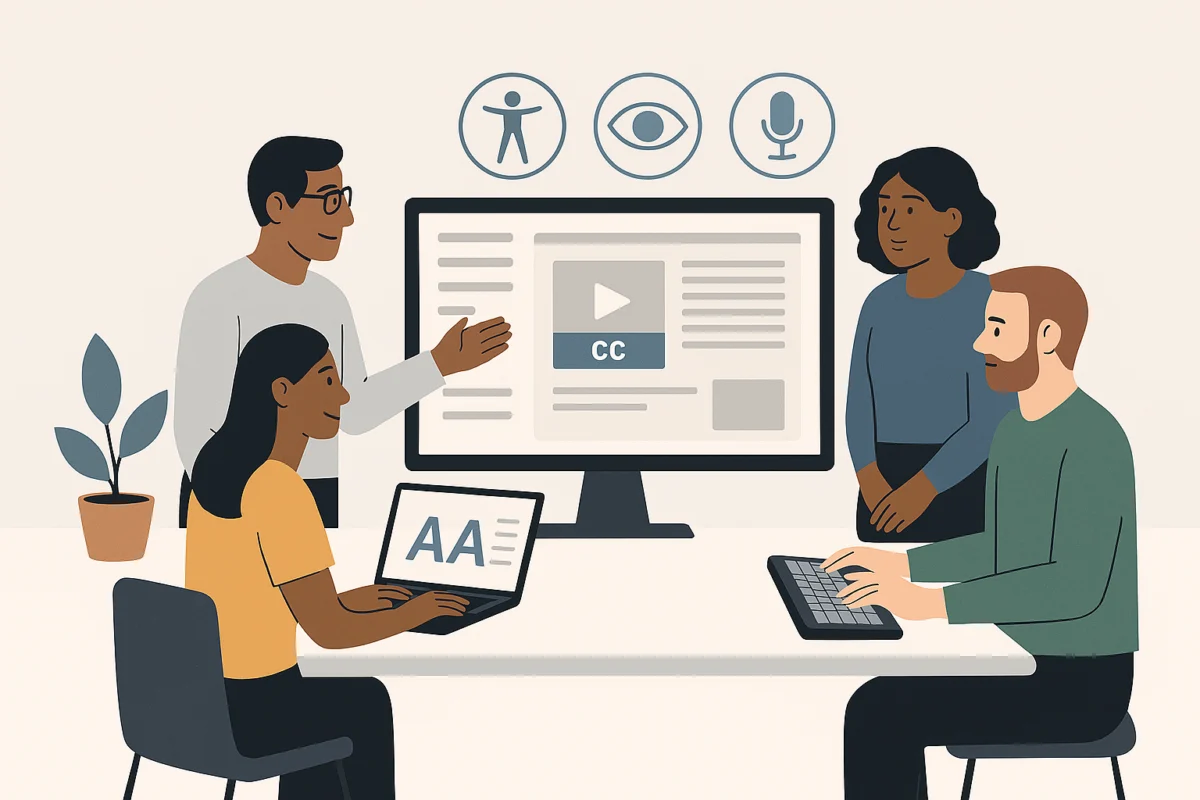
Accessibility is no longer viewed merely as a checklist for developers but as a cornerstone of civil service. According to data from the Office for National Statistics (ONS) and disability advocacy groups like Scope, approximately one in five people in the UK has a disability—amounting to over 14 million individuals. When digital services are poorly designed, these citizens face significant barriers to accessing essential services such as healthcare, taxation, and social security. The 2026 event seeks to address these systemic barriers by fostering a culture of "inclusive by design" rather than "retrofitted for compliance."
Chronology of Events: A Four-Day Intensive Program
The schedule for Digital Accessibility Week 2026 is structured to provide a logical progression from foundational concepts to specialized technical execution. Each day is curated by different government departments, showcasing a collaborative ecosystem of expertise.
Monday, May 18: Foundations and Future Frameworks
The week commences with a focus on literacy and future-proofing. The Home Office leads the morning with an "Introduction to Accessibility," a non-technical primer designed to demystify inclusive design for policy makers and administrative staff. This is followed by the Department for Work and Pensions (DWP) providing an overview of assistive software, including screen readers, speech-to-text tools, and magnification software.
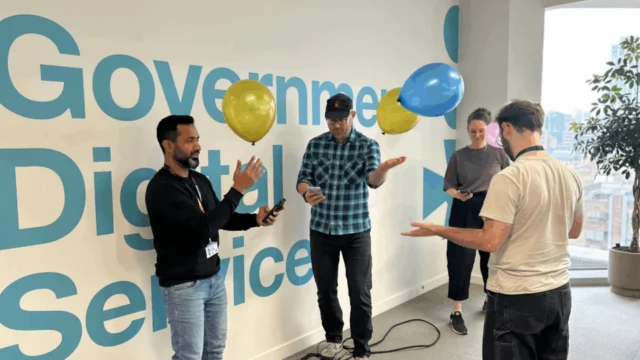
A pivotal session on Monday afternoon, hosted by the Government Digital Service (GDS), delves into the implications of WCAG 3. This session is particularly significant for senior stakeholders, as it outlines how the new standards will shift from a pass/fail binary to a more nuanced scoring system, impacting how government services are audited and maintained in the coming years.
Tuesday, May 19: Inclusive Design and User Psychology
Tuesday shifts the focus toward the user experience (UX) and the technical architecture that supports it. DWP returns to explain the relationship between HTML markup and accessibility, emphasizing that clean code is the foundation of an accessible web.
The afternoon sessions, hosted by HM Revenue and Customs (HMRC), explore cognitive accessibility and neurodiversity. By focusing on "Designing with Autistic People," the sessions highlight how clear navigation and reduced sensory overload benefit the entire population, not just neurodivergent users. Furthermore, Ofcom joins HMRC to present research on "Digital Media Literacy," exploring the social factors—such as confidence and socioeconomic status—that influence how marginalized groups interact with digital government interfaces.
Wednesday, May 20: Innovation, Testing, and Real-World Application
The third day is dedicated to the practical "how-to" of accessibility. A notable session by the Department for Environment, Food & Rural Affairs (Defra) looks at "Accessibility in Gaming," drawing parallels between the high-stakes, rapid-input world of video games and the need for responsive, intuitive government services.
Testing becomes a major theme on Wednesday afternoon. Sessions by the Student Loans Company (SLC) and Companies House provide hands-on guidance for non-specialists to perform keyboard navigation tests and use automated tools like WAVE. These sessions aim to empower every member of a product team—from project managers to content designers—to identify accessibility "blockers" before they reach the production phase.
Thursday, May 21: Global Accessibility Awareness Day (GAAD)
The final day coincides with the global GAAD movement. The focus turns to organizational accountability and the professionalization of accessibility roles. HMRC hosts a session on the "Quiet Magic of Accessibility Regulations," discussing the enforcement of WCAG 2.2 and how to build a business case for accessibility within large bureaucracies.
The Department for Education (DfE) concludes the week with a look at the "Accessibility Specialist Apprenticeship," signaling a move toward formalizing accessibility as a distinct career path within the Civil Service. This day serves as a call to action, encouraging departments to move beyond the "event" of the week and integrate these practices into their permanent operational DNA.
Supporting Data: The Cost of Inaccessibility
The drive for events like Digital Accessibility Week is supported by sobering data regarding current digital standards. The "WebAIM Million" report, an annual accessibility analysis of the top one million homepages globally, consistently finds that over 95% of websites have detectable WCAG 2 failures. Common issues include low-contrast text, missing image alt-text, and empty links—all of which are easily preventable with the training provided during this event.
In the UK public sector, the stakes are higher. A 2024 monitoring report indicated that while government websites are significantly more accessible than the private sector average, mobile applications and legacy PDF documents remain a challenge. Digital Accessibility Week 2026 specifically targets these "trouble spots" with sessions on creating accessible PowerPoint templates and service assessments, aiming to reduce the volume of "Common WCAG Fails" that currently trigger cabinet-level scrutiny.
Institutional Responses and Broader Implications
Leading figures within the government’s digital community have indicated that the 2026 event represents a shift toward "Empowerment over Enforcement." Statements inferred from previous GDS directives suggest that the goal is to move accessibility from the "audit phase" at the end of a project to the "discovery phase" at the very beginning. By training the workforce to be self-sufficient in accessibility testing, the government reduces the financial burden of third-party audits and the legal risks associated with non-compliance.
The broader implications of this week extend to the UK’s international standing. As a leader in the D5 (now Digital Nations) group, the UK’s approach to accessibility serves as a blueprint for other nations. By fostering a cross-departmental community where the Ministry of Justice, HMRC, and DfE share resources, the UK is building a resilient digital infrastructure that can adapt to the needs of an aging population and a diverse citizenry.
Participation and Access Requirements
To ensure the integrity of the sessions and foster a secure environment for internal government discussion, Digital Accessibility Week 2026 is strictly open to those working within the UK public sector. Prospective attendees are required to register using their official work email addresses (.gov.uk, .nhs.uk, etc.).
The event organizers have emphasized that while the sessions are online, they are designed to be interactive. Participants are encouraged to join not just as passive observers but as active contributors to the discourse. While some sessions will be recorded for later viewing on the government’s internal Knowledge Hub, the "Live" nature of the timetable allows for real-time Q&A with the country’s leading accessibility experts.
Conclusion: Toward a More Inclusive Digital Future
Digital Accessibility Week 2026 is more than a series of webinars; it is a strategic intervention designed to elevate the standard of public service delivery. By bringing together diverse departments—from the Student Loans Company to the Ministry of Justice—the event breaks down silos and creates a unified front against digital exclusion.
As the theme of GAAD 2026 suggests, the focus remains on "Designing, Developing, and Delivering." Through the practical skills shared in these sessions—ranging from HTML markup to the psychology of neurodiversity—the UK public sector is positioning itself to meet the challenges of the late 2020s. The ultimate goal is a digital landscape where every citizen, regardless of their physical or cognitive abilities, can engage with their government with dignity, independence, and ease. This week serves as a vital milestone on that journey, equipping the civil service with the tools necessary to turn the ideal of universal access into a daily reality.