The Anatomy of the Work Zone Hazard
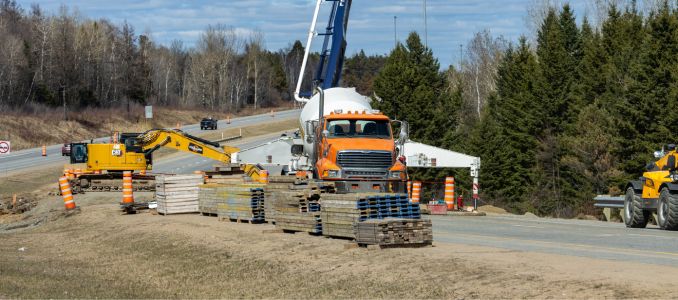
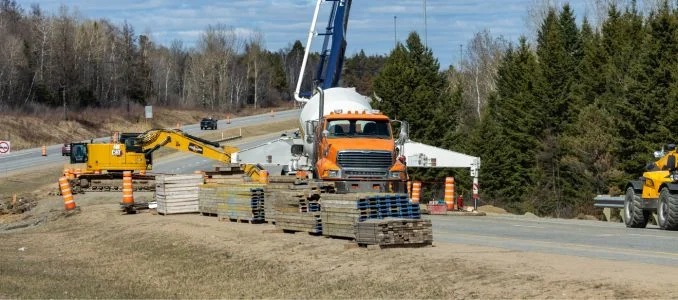
Drivers frequently fail to perceive the gravity of these zones, treating them as obstacles to be navigated rather than active workplaces. This psychological disconnect leads to reduced following distances, increased lane-weaving, and a reliance on digital navigation tools that may not account for real-time lane shifts. When a worker steps onto the pavement, they are entering a dynamic, volatile environment where they must manage both their assigned tasks and the persistent threat of encroachment from civilian vehicles. This duality of focus is precisely what transforms routine maintenance, such as sign replacement or debris removal, into a high-consequence exposure.
Chronology of a Persistent Safety Failure
For over a decade, the industry has grappled with stagnant safety statistics regarding roadside fatalities. Data from the Center for Construction Research and Training (CPWR) indicates that between 2012 and 2023, approximately 50 construction workers lost their lives annually in active work zones. Despite significant advancements in protective equipment and signage technology, these numbers have shown little to no meaningful decline over the last decade.
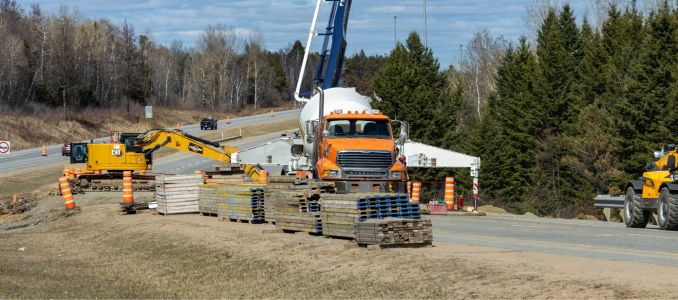
The chronology of this issue reflects a systemic struggle to keep pace with the increasing speed and density of modern traffic. Throughout the 2010s, safety protocols shifted toward "positive protection"—the use of concrete barriers and crash attenuators to physically separate workers from vehicles. However, the 2020s brought new challenges, including a sharp rise in distracted driving due to smartphone use and the increased prevalence of driver-assistance systems that can occasionally lead to driver over-reliance. By 2023, the data underscored a grim reality: nearly 16% of all pedestrian fatalities occurring within construction zones were, in fact, workers on foot. This statistic serves as a stark indictment of current protective measures, suggesting that current strategies are insufficient to mitigate the risks posed by human error in the driving public.
The Physics of Impact: Why Speed Is the Primary Variable
The correlation between vehicle velocity and fatality risk is absolute, governed by the immutable laws of physics. As speed increases, the kinetic energy involved in a potential collision rises exponentially, leaving the human body with no margin for error.
Current crash data illustrates a lethal progression:
- 20 mph: At this speed, a collision results in approximately a 1% risk of fatality.
- 35 mph: The risk of death climbs dramatically to 19%.
- 50 mph: At this threshold, the fatality rate reaches 80% or higher.
These metrics demonstrate that even minor increases in speed within a work zone—often caused by drivers ignoring reduced speed limit signage—effectively transform a survivable fender-bender into a lethal event. For construction crews, these figures are not just abstract statistics; they define the daily reality of working inches from traffic moving at highway speeds. The inherent vulnerability of a worker, who possesses no metal chassis for protection, renders the speed limit the single most important safety factor in the workplace.
Evolving Strategies: From Passive Signage to Active Tech
To address these risks, the industry is moving away from purely passive safety measures—such as orange barrels and static signs—toward a layered, proactive approach. Modern safety programs now emphasize a "Defense in Depth" strategy that includes:
- Digital Alerting: Real-time data integration into navigation applications like Waze or Google Maps warns drivers of upcoming lane shifts or active work zones before they are visible to the naked eye. This aims to reduce the "startle factor" that causes erratic braking and sudden lane changes.
- Wearable Technology: Advanced PPE now includes strobe-equipped vests and proximity sensors that vibrate or emit high-decibel alerts when a worker gets too close to the edge of the protected zone, or when a vehicle breaches a geofenced boundary.
- Aerial Surveillance: Drone imagery is increasingly used to monitor traffic flow patterns and identify bottleneck areas where drivers are most likely to behave aggressively or erratically. This allows project managers to adjust traffic control plans in real-time, rather than waiting for an incident to occur.
- Positive Protection: The continued deployment of temporary concrete barriers and vehicle-mounted crash attenuators (often called "shadow vehicles") acts as a final, physical buffer between the public and the crew.
Official Responses and the Need for Policy Reform
Industry safety advocacy groups, including the National Institute for Occupational Safety and Health (NIOSH) and various state Departments of Transportation (DOTs), have consistently called for stricter enforcement of work zone speed limits. The consensus among these agencies is that enforcement must be automated. Studies have shown that when speed cameras are deployed in work zones, average speeds drop significantly.

"We cannot rely on the public to self-regulate their speed out of goodwill," says a lead analyst at a prominent construction safety coalition. "The data shows that when drivers know there is an automated mechanism for enforcement—whether it be speed cameras or increased police presence—behavior changes immediately. The infrastructure to protect our workers exists, but the legislative and political will to deploy it uniformly across all jurisdictions is still catching up."
Broader Implications and Future Outlook
The persistent fatality rate in road construction zones represents a significant failure of public policy and safety management. If the current trajectory continues, the industry faces not only an ongoing humanitarian crisis but also a potential labor shortage, as the dangers of roadside work become a deterrent for potential employees.
The integration of smart-city technology—such as vehicle-to-infrastructure (V2I) communication, where a construction site itself transmits a warning signal directly to the onboard computers of approaching vehicles—is widely viewed as the next frontier in worker safety. Until such technology is standardized, however, the burden of safety remains on the shoulders of the crew, the contractors, and the agencies that plan these zones.
For the families of those lost in work zones, the issue is not about "accidents" or "unfortunate timing." It is about a structural, predictable risk that is allowed to persist because society has not yet prioritized the life of the worker over the speed of the commute. Moving forward, the industry must continue to treat live traffic not as a background element, but as the primary, lethal hazard of the modern construction site, necessitating constant, multi-layered, and technology-driven intervention. Only by treating the workplace as a dynamic, evolving environment can the construction sector hope to move the needle on these stubborn and tragic fatality statistics.