
The Genesis of a Lifeline: 1986
The establishment of the group in March 1986 occurred during a period when clinical and social support for tinnitus was severely limited. The initiative was spearheaded by Margot Boss, a Hearing Therapist whose academic research into tinnitus self-help groups provided the theoretical framework for what would become a sustained local effort. Among the original cohort was Audrey Carlin, who received a diagnosis of tinnitus in 1984.
At the time of Carlin’s diagnosis, the medical community offered little in the way of a "roadmap" for patients. The lack of standardized protocols for managing the psychological and auditory burden of the condition often left patients to navigate the experience in isolation. Reflecting on the period, Carlin noted that her involvement was driven by a necessity to address the void in accessible resources. Her commitment—which has spanned the entire 40-year history of the organization—has remained a defining element of the group’s stability and reach.
Chronology of Development and Adaptation
The trajectory of the Chesterfield and North Derbyshire Tinnitus Support Group can be categorized into several distinct phases of growth:
- 1986–1995: Foundational Era. The group focused on establishing a physical presence and building a referral network with local audiology departments and hearing specialists. During this time, the primary objective was the standardization of information and the provision of peer-to-peer emotional support.
- 1996–2010: Diversification of Resources. Recognizing that support needs to be multifaceted, the group began integrating educational workshops and expert-led sessions into their monthly meetings.
- 2011–2019: Community Outreach. The organization transitioned from a "meeting-based" model to an "outreach-based" model, hosting sessions in libraries and community centers to reduce the stigma and anxiety associated with seeking help for an invisible, isolating condition.
- 2020–2026: The Digital Pivot and Wellbeing Transformation. The onset of the COVID-19 pandemic necessitated a rapid migration to digital platforms. The group collaborated with national entities, such as Tinnitus UK, to provide virtual support, while simultaneously evolving their monthly newsletter into a comprehensive "Wellbeing Magazine."
Supporting Data and the Burden of Tinnitus
To understand the significance of this 40-year milestone, one must consider the broader public health context. According to various clinical studies, tinnitus affects approximately 10% to 15% of the adult population in the United Kingdom. For a significant portion of these individuals, the condition is associated with comorbidities, including anxiety, sleep disturbance, and depression.
Data from the British Tinnitus Association and related auditory health studies suggest that self-help groups significantly improve patient outcomes by mitigating the "isolation effect." By providing a space where the sound—often described as ringing, buzzing, or hissing—is validated, these groups reduce the cognitive load on patients. The Chesterfield group’s longevity serves as an empirical case study in how consistent, community-led interventions can provide long-term stabilization for a demographic that is often underserved by acute medical settings alone.
The Evolution of Advocacy: From Newsletters to Wellbeing
A pivotal shift in the group’s methodology occurred during the pandemic, when the necessity for social distancing limited physical gatherings. The group opted to expand its written communications, transforming the standard newsletter into a "Wellbeing Magazine." This publication served as a medium for members to share narratives, coping strategies, and creative works, such as poetry.
This transition highlights a modern approach to chronic condition management: the integration of "narrative medicine." By encouraging members to document their experiences—whether through memories of nature, hobbies, or the challenges of their daily lives—the group created a repository of resilience. This approach has been noted by health practitioners as an effective way to redirect the brain’s focus from the auditory disturbance to positive, cognitive-behavioral stimuli.
Expert Perspectives on Sustainability
The success of the Chesterfield and North Derbyshire Tinnitus Support Group is often attributed to its focus on peer support, which complements clinical audiology. While audiologists manage the hardware of hearing—such as hearing aids and sound masking devices—support groups manage the "software" of the human experience.
Local health professionals who have engaged with the group over the decades have frequently cited the importance of the organization’s outreach programs. By moving beyond the walls of a clinic, the group has effectively reached vulnerable populations who might otherwise avoid traditional healthcare settings. The inclusion of nature-based activities, such as organized walks and mindfulness sessions, aligns with current medical trends advocating for "social prescribing," where patients are connected to community-based activities to improve their health and wellbeing.
The Impact of Long-term Peer Support
The long-term implications of a 40-year-old support group are manifold. First, it provides a stable repository of institutional memory. Newer members are not only supported by peers but are also exposed to the experiences of long-term members who have successfully integrated tinnitus management into their lives. This creates a "mentor-mentee" dynamic that is rarely achieved in clinical environments.

Second, the group serves as a bridge between the patient and the healthcare system. By providing feedback to local audiologists and ENT departments, the group has helped shape how tinnitus is discussed in the region. This advocacy has fostered a more patient-centered approach to care in North Derbyshire.
Future Outlook and Legacy
As the group enters its fifth decade, it faces the challenge of continuing its legacy in an increasingly digital world. While the transition to online support has allowed for broader access, the value of the "human touch"—the physical meetings, the poetry workshops, and the in-person advocacy—remains the core of the group’s identity.
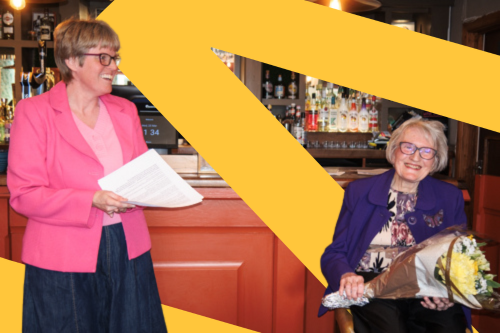
The 40th anniversary celebrations were not merely a look back at the past; they were a testament to the enduring necessity of community. As Audrey Carlin noted during the event, the journey of managing tinnitus is not one that should be walked alone. The group’s ability to adapt, from the era of printed newsletters in 1986 to the digital platforms of 2026, ensures that it remains relevant to the needs of modern sufferers.
In conclusion, the Chesterfield and North Derbyshire Tinnitus Support Group represents a vital model of community resilience. By combining scientific awareness with creative, peer-led support, the organization has demonstrated that while a cure for tinnitus may remain elusive in a clinical sense, the "cure" for the isolation it causes is found in community. Their four-decade journey provides a roadmap for other regions and health sectors to follow, proving that the most effective health interventions are often those that foster human connection. As they look toward the future, the group remains committed to its founding principle: that tinnitus, while a significant part of one’s health profile, does not need to dictate the quality or direction of one’s life.