A Pioneering Partnership Faces Market Headwinds
The collaboration between Sony and WSA was formed in the optimistic dawn of the OTC hearing aid era, shortly after the U.S. Food and Drug Administration (FDA) established the new regulatory category in August 2022. This landmark FDA ruling, which took effect on October 17, 2022, was designed to foster innovation, reduce costs, and dramatically increase access to hearing aids for millions of Americans with perceived mild to moderate hearing loss, circumventing the traditional, often costly, audiology visits and prescriptions. The market was ripe for disruption, and the entry of major consumer brands was seen as a critical component of this transformation.
The Sony-WSA alliance, announced in September 2022, was positioned as a perfect synergy: Sony would leverage its globally recognized brand, extensive retail reach, and consumer electronics expertise, while WSA would contribute its deep knowledge in audiological technology, product development, and manufacturing prowess, honed through its Widex and Signia brands. The stated goal was ambitious: to combine these strengths to “shape the new OTC market” and bring high-quality, self-fitting hearing solutions into the mainstream, much like how personal computers or smartphones became ubiquitous. Industry observers and consumer advocates alike watched with keen interest, anticipating that this partnership could set a precedent for how traditional hearing care providers and consumer electronics giants could collaboratively address the unmet need for hearing assistance.
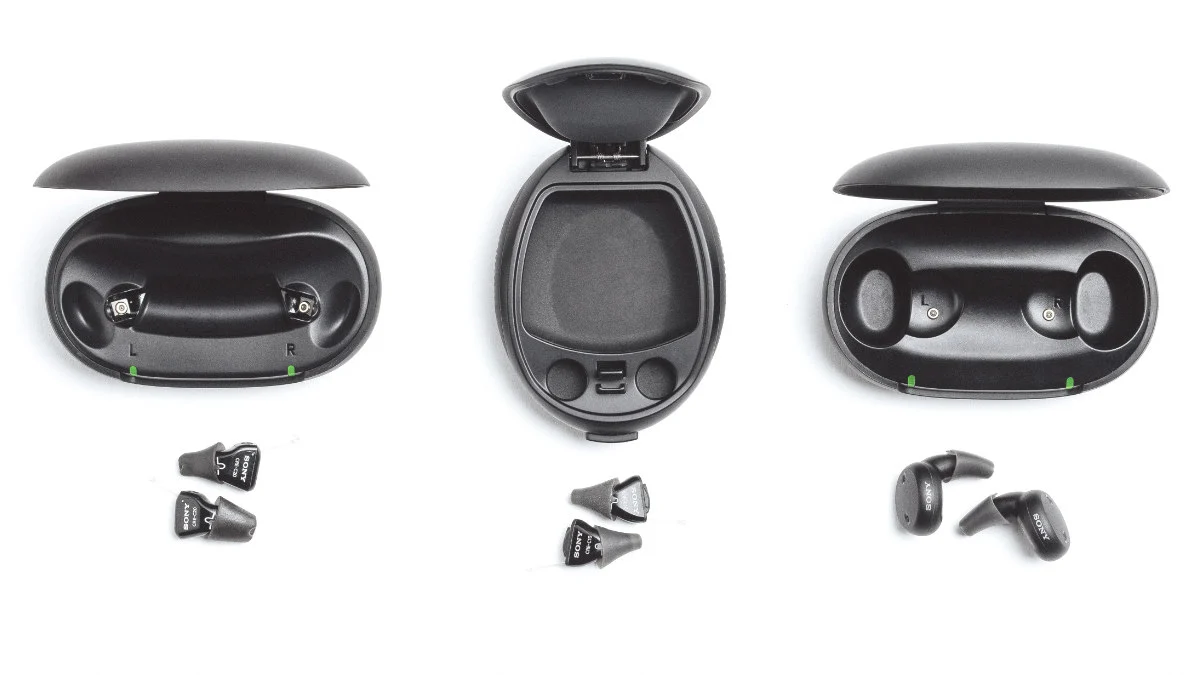
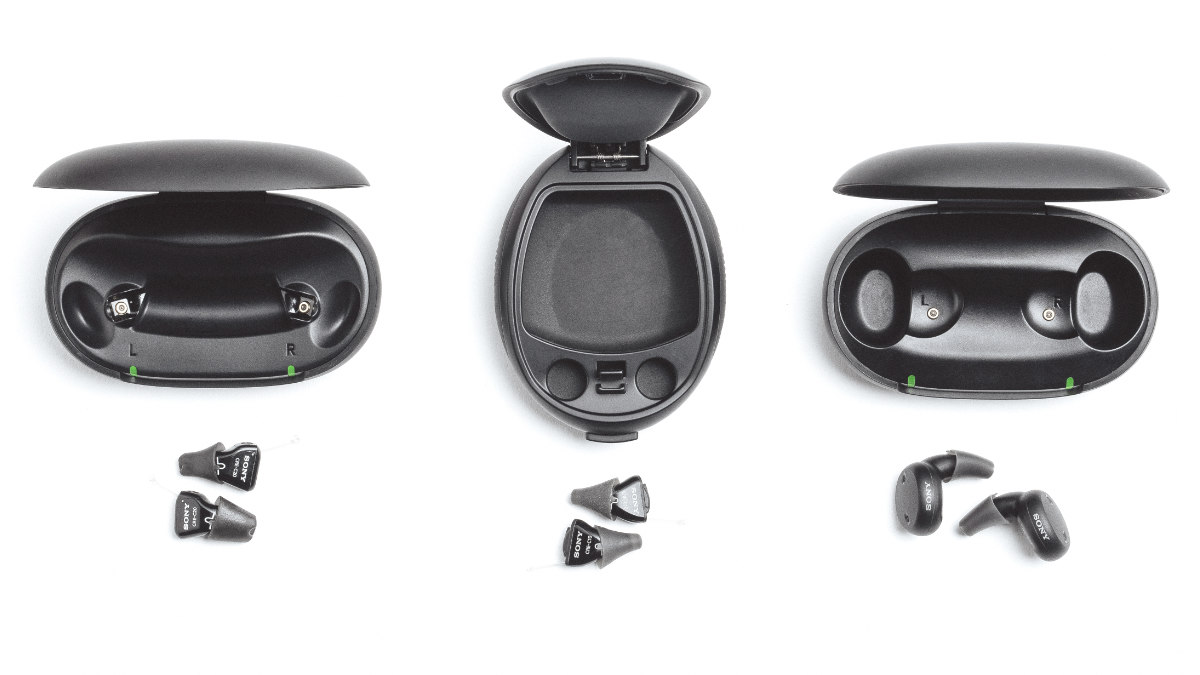
The product line launched under this partnership included the flagship earbud-like CRE-E10, which offered audio streaming for iOS devices, and the completely-in-canal (CIC) non-wireless aids, the CRE-C10 (disposable battery) and the rechargeable CRE-C20. These devices were designed as pre-set, instant-fit solutions, controlled via the intuitive Hearing Control App, embodying the ease of use and accessibility promised by the OTC category.
Chronology of a Strategic Endeavor
The journey of the Sony-WSA partnership, though relatively brief, is illustrative of the dynamic shifts within the hearing care industry:
- August 16, 2022: The FDA finalizes its rule establishing a new category of OTC hearing aids, allowing consumers aged 18 and older with perceived mild to moderate hearing loss to purchase hearing aids directly, without a medical exam or prescription. This rule culminates years of advocacy and legislative efforts, primarily driven by the belief that high costs and limited access were significant barriers to hearing care.
- September 2022: Sony and WS Audiology officially announce their strategic partnership. Press releases highlight the complementary strengths of both companies and their shared vision to lead the new OTC market. Expectations are high for a seamless integration of consumer technology with medical-grade audiology.
- October 17, 2022: The FDA’s OTC hearing aid rule officially takes effect, opening the floodgates for new products and market entrants. Sony and WSA begin to roll out their initial offerings, including the CRE-E10, CRE-C10, and CRE-C20 models. These devices are strategically priced to sit in the mid-to-upper tier of the emerging OTC spectrum.
- Late 2022 – Early 2025: The Sony OTC hearing aids gain traction for their sound quality and design. HearAdvisor, an independent review platform, notably ranks the CRE-E10 as the top performer among 60 evaluated OTC devices, awarding it high marks for sound quality and user experience. The CRE-C10 also earns an impressive A SoundGrade. WSA provides virtual support for purchasers, enhancing the overall consumer experience.
- Late 2025 – Early 2026: HearingTracker and other industry observers begin to notice the "Item no longer available" status appearing across Sony’s U.S. website for all three OTC hearing aid models. This raises questions about the future of the partnership and Sony’s continued presence in the market.
- April 17, 2026: A WSA spokesperson formally confirms that Sony and WS Audiology have mutually agreed not to renew their 2022 agreement, bringing an official end to their collaboration. The statement assures that existing customers will continue to receive warranty and service support, and that Sony OTC hearing aids will remain available through some of WSA’s channels for a few more months during the wind-down period.
Product Quality vs. Market Economics: The Core Dilemma
One of the most compelling aspects of this partnership’s conclusion is that it appears unrelated to product quality or technological deficiency. Unlike some early OTC entrants plagued by poor performance or unreliable engineering, the Sony-WSA devices consistently received positive reviews. HearAdvisor’s rigorous evaluations underscored the sound quality and functionality of the CRE-E10 and CRE-C10, proving that the underlying technology and acoustic performance were strong. Furthermore, WSA’s provision of virtual support addressed a key concern for consumers entering the self-fitting market, offering guidance that many might still seek outside of a traditional clinic.
This positive product reception, however, failed to insulate the partnership from the broader economic pressures of the OTC market. The Sony models were priced between $700 and $1000—the CRE-C10 at $700, the CRE-E10 at $900, and the CRE-C20 at $1000. While these prices were significantly lower than traditional prescription hearing aids, they placed the Sony offerings at the higher end of the evolving OTC spectrum.
A recent HearingTracker survey conducted by Abram Bailey, AuD, revealed that the average price for OTC hearing aids stands at $502 per pair. This stark contrast highlights the significant price sensitivity within the consumer market for accessible hearing solutions. Consumers, newly empowered by the OTC rule, are actively seeking value, and a $700-$1000 price point for a self-fitting device, even with high-quality performance, proved to be a challenging proposition against a backdrop of increasingly aggressive competition.
)
The Rise of Disruptors and the Squeeze on Mid-Tier Offerings
The competitive landscape for OTC hearing aids has intensified rapidly since the FDA rule took effect. Traditional consumer electronics companies, alongside specialized hearing tech firms, have flooded the market with diverse offerings. A prime example of this disruptive force is Apple, which now includes an FDA-authorized self-fitting hearing aid feature in its AirPods Pro 2 and 3, priced at a mere $249. This integration of hearing enhancement capabilities into an already popular and widely adopted consumer electronic device presents a formidable challenge to standalone OTC hearing aids, particularly those with higher price tags. The convenience, brand familiarity, and multi-functionality of AirPods Pro provide a compelling alternative for many consumers.
The discontinuation of Sony’s OTC hearing aids, despite their quality, is not an isolated incident. It adds to a growing list of higher-quality OTC hearing products that have struggled to find sustainable market footing. These include the Sennheiser Conversation Clear Plus, Jabra Enhance Plus, and Nuheara’s IQbuds2. Each of these products, lauded for their innovative features and performance, ultimately faced similar economic pressures, suggesting a systemic challenge for premium-priced devices in a market increasingly driven by affordability and integration.
The dilemma for manufacturers is clear: how to offer sophisticated technology and crucial online support services—features that naturally increase production and operational costs—while simultaneously competing in a market where the average price point is trending downwards. Companies like Jabra Enhance and Lexie/Eargo, which have invested heavily in robust online support, also face the constant pressure of justifying their price points against simpler, cheaper alternatives.
Official Reactions and Future Outlook
The official confirmation from WS Audiology provided a clear, albeit brief, perspective on the immediate implications. A WSA spokesperson stated that the financial impact of the partnership’s end is expected to be minimal for the company, indicating that the Sony venture, while high-profile, likely represented a smaller portion of WSA’s overall revenue stream. Importantly, WSA affirmed its commitment to the OTC market, stating plans to "remain active in the OTC market in the future, just not under the Sony brand." This suggests that WSA views the OTC category as a strategic imperative, aligning with its broader mission to expand access to hearing care, but perhaps necessitating a different approach or a new partnership structure that better aligns with market realities.
)
While Sony has not issued an independent statement on the matter, its quiet withdrawal from the market, evidenced by the "Item no longer available" status, suggests a strategic re-evaluation. For a company with Sony’s vast resources and diverse product portfolio, exiting a segment that isn’t meeting profitability or strategic objectives is a common business practice. It’s plausible that Sony may choose to re-enter the hearing solutions space in the future, possibly through integration with its existing audio products or in response to further market maturation.
Industry analysts interpret this development as a significant data point for the nascent OTC hearing aid market. Many had predicted a period of consolidation and refinement, but the speed at which high-quality, branded products are exiting indicates intense competition and a rapid evolution of consumer expectations. The challenge lies in educating consumers about the nuanced differences between basic personal sound amplification products (PSAPs), advanced OTC hearing aids, and prescription-grade devices, while simultaneously offering compelling value propositions at each tier.
Broader Implications for the Hearing Care Landscape
The dissolution of the Sony-WSA partnership carries broader implications for the entire hearing care ecosystem:
- Reinforcement of Price Sensitivity: The primary takeaway is the profound impact of price on consumer adoption within the OTC market. While the FDA aimed to lower access barriers, the market has responded by prioritizing affordability, sometimes at the expense of advanced features or extensive support.
- The "Guidance Gap" for Premium OTC: For devices priced at the upper end of the OTC spectrum, a critical question emerges: what is the compelling reason for a consumer to choose such a device over a cheaper OTC option or a traditional prescription hearing aid? Many consumers in this mid-to-high OTC price bracket may still desire more guidance, professional fitting, and comprehensive long-term support, blurring the lines between self-service and professional care.
- Future of Partnerships: The experience may temper future enthusiasm for similar high-profile alliances between traditional hearing aid manufacturers and consumer electronics brands. It highlights the complexities of merging different business models, supply chains, and marketing strategies. Future collaborations might focus on more integrated solutions or niche markets.
- WSA’s Evolving OTC Strategy: WSA’s commitment to the OTC market, despite this setback, indicates a belief in the category’s long-term potential. However, its strategy will likely evolve, potentially focusing on different branding, lower price points, or more targeted distribution channels. WSA’s most recent quarterly update highlighted U.S. market softness and a continued emphasis on profitability and new launches across its core Widex and Signia brands, suggesting a prioritization of its established prescription business even as it explores OTC avenues.
- Innovation vs. Accessibility Trade-offs: The market faces a fundamental tension between bringing innovative, high-quality technology to a broader audience and making it genuinely affordable and accessible. The Sony-WSA case illustrates that simply having a superior product is not always enough to succeed if the pricing and market positioning do not align with evolving consumer expectations.
- Consumer Education Imperative: The exit of respected, high-quality products like Sony’s underscores the ongoing need for robust consumer education. Helping individuals understand the capabilities and limitations of different hearing solutions—from PSAPs to OTC devices to prescription aids—is crucial to ensure informed purchasing decisions and manage expectations.
In conclusion, the end of the Sony-WS Audiology partnership serves as a potent reminder of the dynamic and challenging nature of the over-the-counter hearing aid market. While the FDA’s regulatory framework successfully opened the door for innovation and accessibility, market forces, particularly intense price competition and evolving consumer expectations, continue to shape the landscape in unpredictable ways. The industry, including established players like WSA, will need to adapt with agility, seeking new strategies and partnerships that can navigate these complexities while still delivering on the promise of more accessible and affordable hearing care for all.