
The Foundational Vision: Raymond Carhart and the Genesis of Aural Rehabilitation
The roots of comprehensive auditory training trace back to the mid-20th century, a period when audiology as a distinct discipline was taking shape. Central to this development was Raymond Carhart, widely recognized as the "father of audiology." Carhart’s contributions were particularly significant during and after World War II, when a surge of military personnel returned with noise-induced hearing loss. This pressing need spurred the establishment of dedicated rehabilitation programs, and Carhart was instrumental in defining their scope.
Carhart’s pioneering work at institutions like the Deshon General Hospital and later at Northwestern University emphasized that treating hearing loss was not solely about providing hearing aids. He advocated for a multi-faceted approach that included auditory training, speech reading, and counseling, all aimed at helping individuals adapt to their hearing loss and maximize their communication abilities. His enduring mantra, "Our task is not merely to make sounds audible but to make them meaningful," encapsulated this profound understanding. This quote, often shared through generations of audiology educators, served as a guiding star for aspiring professionals, including a young graduate student in 1990 at UMass Amherst, where Professor Harris Nober would passionately articulate Carhart’s virtues, reminding students of the deeper purpose behind their clinical endeavors.
In the post-war era, aural rehabilitation involved intensive, often manual, exercises. Patients would engage in speech discrimination tasks, learn to identify environmental sounds, and practice communication strategies, frequently in a clinical setting with a therapist. This labor-intensive model, while effective for many, presented significant logistical and financial challenges, limiting its widespread adoption as hearing aid technology became more sophisticated and readily available. The focus began to subtly shift towards the device itself as the primary solution.

LACE 1.0: A Promising Innovation Encounters Practical Headwinds
The early 2000s marked a significant period for the hearing healthcare industry, characterized by burgeoning digital technologies and evolving patient expectations. It was within this dynamic environment that Robert Sweetow introduced "Listening and Communication Enhancement," or LACE, a DVD-based auditory training program. The introduction occurred at events like the 2005 Miracle-Ear convention in Huntington Beach, CA – an event remembered for its lively atmosphere, featuring Beach Boys cover bands and enthusiastic franchisees. Amidst this vibrant backdrop, Sweetow’s presentation on LACE captured the attention of many, including Dr. Brian Taylor, a recognized thought leader in the field.
LACE represented a significant step forward, offering a structured, systematic approach to auditory training that patients could undertake at home. The program’s premise was simple yet powerful: even with perfectly fitted hearing aids, the brain often needs training to effectively process sounds, especially speech in challenging listening environments. The initial clinical evidence supporting LACE was compelling. A landmark study published in AudiologyOnline in 2008, conducted by Dr. Taylor and Miracle-Ear franchisee Al Shrive, demonstrated tangible benefits. Patients who diligently completed the LACE exercises reported significantly higher satisfaction scores with their hearing aids and, critically, exhibited "minuscule" return-for-credit rates. While exact industry averages for hearing aid returns can fluctuate, they typically range from 15-20% within trial periods. The LACE study’s findings suggested that systematic auditory training could drastically reduce these figures, translating into improved patient retention and substantial economic benefits for practices.
Despite these promising results, LACE 1.0 faced considerable challenges that hindered its widespread integration into clinical practice. From a practical standpoint, the DVD-based format was increasingly seen as "clunky, cumbersome, and complicated" in a rapidly digitizing world. The requirement for dedicated in-office time to introduce and monitor patient progress added to the logistical burden for busy audiologists. Furthermore, the financial model for early LACE was often described as "cashless" for practice owners, meaning it did not generate sufficient direct revenue to justify the time and resources invested.
Simultaneously, the industry experienced a powerful wave of technological innovation centered on hearing aids themselves. The advent of "100% digital" hearing aids and, shortly thereafter, Bluetooth streaming capabilities, captivated the attention of both professionals and patients. There was a prevailing sentiment that these advanced devices would inherently solve most listening challenges, leading many audiologists to inadvertently "lean on the device to do all the work." This device-centric focus, coupled with the practical difficulties of implementing early LACE, meant that comprehensive auditory training often fell by the wayside. Researchers like Jennifer Henderson Sabes, Theresa Chisolm, and Nancy Tye-Murray consistently articulated the necessity of aural rehabilitation and auditory training as a fundamental component of hearing care, arguing it must sit "alongside well-fitted hearing aids at the table." However, the prevailing trends of the era made consistent integration a significant hurdle.
The Enduring Need: Why Auditory Training Remains Critical

The limitations of hearing aids alone underscore the enduring importance of auditory training. While modern hearing aids are remarkably sophisticated, restoring audibility and clarity to an unprecedented degree, they do not fully address the complex cognitive processes involved in listening. Hearing loss often leads to changes in how the brain processes sound, requiring greater listening effort, particularly in noisy environments. Individuals may struggle with:
- Speech-in-Noise Comprehension: Even with amplification, distinguishing speech from background noise remains a significant challenge for many.
- Auditory Processing Skills: The brain’s ability to discriminate between similar sounds, locate sound sources, and process rapid speech can be compromised.
- Listening Fatigue: The increased effort required to hear and understand can lead to mental exhaustion, impacting social engagement and quality of life.
Numerous studies have consistently highlighted the benefits of auditory training, irrespective of the specific program used. These benefits include improved speech understanding in quiet and noisy environments, enhanced listening strategies, reduced perceived listening effort, and greater overall satisfaction with amplification. The World Health Organization estimates that over 1.5 billion people globally experience some degree of hearing loss, with 430 million requiring rehabilitation services. In the United States, approximately 48 million people have hearing loss. Addressing this widespread issue effectively demands solutions that go beyond merely providing devices.
A New Dawn: The Aural Rehabilitation Revolution and LACE AI Pro
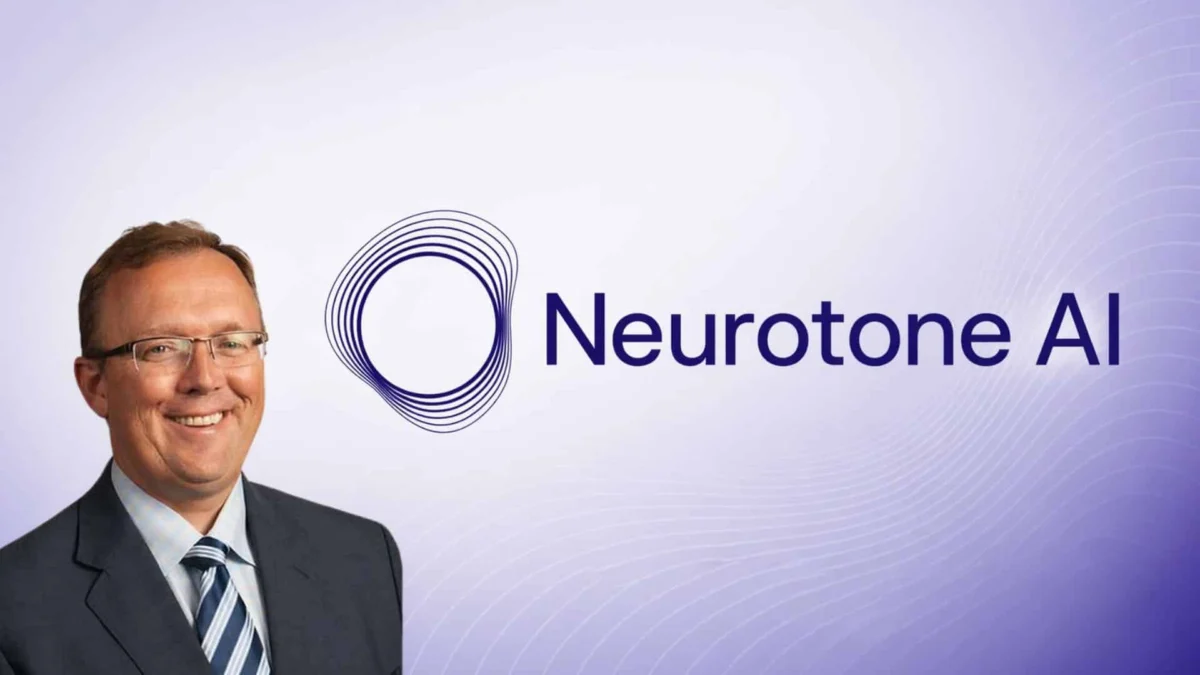
Today, the convergence of advanced technology, a deeper understanding of neural plasticity, and a renewed commitment to patient-centered care is finally catalyzing the "aural rehabilitation revolution." This movement recognizes that successful hearing outcomes require a synergistic approach, integrating cutting-edge amplification with personalized, adaptive auditory training. Dr. Brian Taylor’s recent decision to join Neurotone AI as Vice President of Clinical Research & Professional Relations underscores this pivotal shift, signaling a belief that the industry is finally ready to fully embrace comprehensive care.
Neurotone’s new LACE AI Pro platform stands at the forefront of this revolution, addressing the very challenges that limited the adoption of its predecessors while embracing the "zeitgeist" of modern healthcare. The platform represents a thoughtful fusion of innovative scientific thinking, championed by co-founder Miles Aron, and savvy business acumen, brought forth by co-founder Rick Carlson. Their collaborative vision has produced a program that not only leverages clinically validated evidence but also incorporates features essential for broad appeal and effective implementation:
- Artificial Intelligence (AI) for Personalization: LACE AI Pro utilizes sophisticated AI algorithms to dynamically adapt exercises to each patient’s unique needs, progress, and learning pace. This ensures a highly personalized training experience, making it more engaging and effective than static, one-size-fits-all programs. The AI can identify specific areas of difficulty (e.g., consonant discrimination, temporal processing) and tailor tasks to target those weaknesses, maximizing training efficiency.
- Smartphone-Delivered Accessibility: Moving away from clunky DVDs, LACE AI Pro is delivered via a user-friendly smartphone application. This makes the program incredibly accessible and convenient, allowing patients to complete exercises anytime, anywhere, seamlessly integrating training into their daily routines. This removes the significant barrier of requiring in-office time, freeing up valuable clinic resources.
- Flexible Subscription-Based Model: Recognizing the economic constraints of previous models, Neurotone has implemented a flexible, subscription-based approach. This structure provides a financially viable pathway for both patients and practices. For patients, it offers an affordable, ongoing solution, while for practices, it creates a new revenue stream and a sustainable model for delivering a crucial service.
- Hearing Care Professional (HCP) at the Center: Crucially, LACE AI Pro is designed to empower, not sideline, the hearing care professional. While the platform is patient-led, audiologists remain central to the therapeutic relationship. The system provides HCPs with comprehensive data on patient progress, enabling them to monitor engagement, provide targeted coaching, and adjust strategies as needed. This ensures that the training is integrated into a broader, professionally guided treatment plan, reinforcing the audiologist’s role as a trusted advisor and clinician.
This combination of features directly addresses the historical pain points: the "cumbersome" nature of old technology is replaced by sleek smartphone apps, the "cashless" model is transformed into a viable revenue stream, and the lack of engagement is mitigated by AI-driven personalization.

Implications for the Future of Hearing Healthcare
The re-emergence of sophisticated auditory training programs like LACE AI Pro signifies a paradigm shift in hearing healthcare. Its implications are far-reaching, impacting patients, professionals, and the industry as a whole:
- Enhanced Patient Outcomes and Satisfaction: By addressing the cognitive aspects of hearing loss in conjunction with amplification, LACE AI Pro promises to deliver superior outcomes. Patients are likely to experience better speech understanding, reduced listening effort, greater confidence in challenging environments, and ultimately, higher satisfaction with their overall hearing care experience. This holistic approach can significantly improve their quality of life.
- Expanded Role for Audiologists: This evolution re-emphasizes the critical role of audiologists as comprehensive rehabilitation specialists, moving beyond simply fitting devices. By integrating auditory training, audiologists can offer a more complete and valuable service, strengthening their professional identity and patient relationships. The ability to monitor patient progress remotely and intervene strategically positions audiologists as ongoing partners in their patients’ hearing journeys.
- Sustainable Practice Growth: For hearing care practices, LACE AI Pro offers a compelling opportunity for growth and diversification. The subscription model provides a predictable revenue stream, while the enhanced patient outcomes lead to greater loyalty, referrals, and reduced return rates – mirroring the findings of the 2008 study. This aligns business success with clinical excellence.
- Advancing the Field: The success of AI-powered, patient-led platforms will likely spur further innovation in aural rehabilitation, encouraging more research into personalized training protocols and their long-term cognitive benefits. This pushes the entire field forward, ensuring that hearing care remains at the forefront of medical and technological progress.
Dr. Brian Taylor’s enthusiasm for the new Neurotone is palpable, describing it as "creating something special, unique, maybe even transcendent," a sentiment that echoes the visionary spirit of Raymond Carhart. Indeed, had such a sophisticated and accessible tool been available 80 years ago, Carhart would undoubtedly have championed its integration into every rehabilitation program.
The time is now for hearing care professionals to fully embrace this evolution. Integrating LACE AI Pro into clinical practice, recommending it to every eligible patient, and actively supporting their engagement in the training exercises is not merely a clinical recommendation; it is an opportunity to redefine the standard of care, enhance patient lives, and ensure the vitality and relevance of the audiology profession in the 21st century. The enduring mission, "Our task is not merely to make sounds audible but to make them meaningful," has finally found its modern technological embodiment, inviting a rekindling of love for comprehensive aural rehabilitation.