
The 2026 cohort reflects a significant shift toward digital integration within traditional safety protocols. As industrial hygiene—the science of anticipating, recognizing, evaluating, and controlling workplace conditions that may cause injury or illness—evolves, the emphasis has moved from retrospective data collection to predictive, real-time intervention. The winners were selected based on their commitment to enhancing worker well-being, their ability to provide measurable safety outcomes, and their forward-looking approach to mitigating risks in complex industrial environments.
A Chronology of Industrial Hygiene Evolution
The Industrial Hygiene Awards program was established six years ago to fill a critical gap in the safety industry: the lack of a standardized platform to celebrate the vendors and organizations creating the technical backbone of safety programs. In 2021, the inaugural program focused largely on personal protective equipment (PPE) and basic hazard detection.

By 2023, the focus had shifted toward integrated software platforms and cloud-based management systems. The 2026 edition marks a maturation of the industry, where the focus is no longer just on "having a tool," but on the "integration of data." Over the last half-decade, the evolution of these awards has mirrored the broader digital transformation in manufacturing, construction, and chemical processing. The transition from manual logs to IoT-connected, automated reporting has fundamentally altered the landscape for industrial hygienists, allowing for a more granular understanding of exposure pathways.
The Rise of IoT and Connected Safety
A dominant theme in the 2026 award submissions was the prevalence of the Internet of Things (IoT). Categories such as IoT-Connected Devices saw record participation, signaling that safety professionals are increasingly turning to real-time data to manage environmental risks.
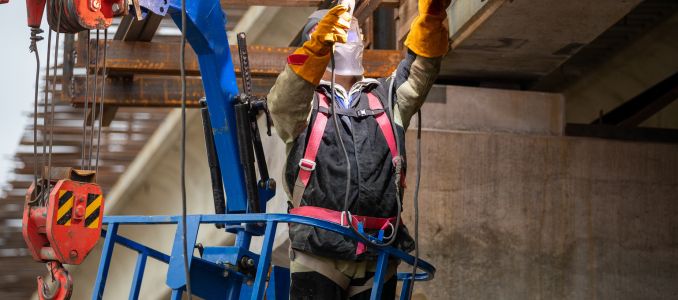
In industrial settings, airborne contaminants—such as silica dust, volatile organic compounds (VOCs), and heavy metal particulates—are notoriously difficult to track without frequent, intrusive sampling. Modern IoT-connected sensors allow for continuous monitoring, providing safety managers with heat maps of exposure levels across an entire facility. This allows companies to move from periodic check-ups to continuous, proactive management.
Data from the Occupational Safety and Health Administration (OSHA) and independent industrial hygiene studies indicate that early detection of airborne hazards can reduce the long-term incidence of occupational lung disease by as much as 40% when combined with engineering controls. The 2026 award winners in the sensor technology category have successfully miniaturized these detection systems, allowing for wearable devices that provide instant feedback to the worker, effectively creating a "safety bubble" that alerts personnel before exposure limits are exceeded.
Addressing Noise and Hearing Conservation
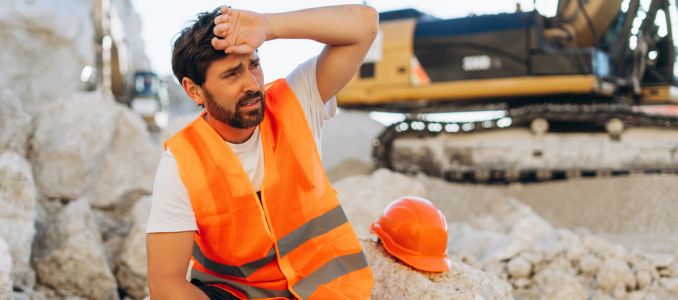
Hearing conservation and noise reduction remain a top priority for industrial hygiene, consistently accounting for a significant portion of workers’ compensation claims. The 2026 winners in this sector moved beyond traditional foam earplugs and passive earmuffs.
Modern solutions recognized this year include "smart" hearing protection that uses active noise cancellation to neutralize industrial machinery frequencies while allowing for clear, filtered communication between workers. This dual functionality is vital; often, workers remove their hearing protection in dangerous environments simply because they cannot hear instructions or safety warnings. By integrating situational awareness into protective gear, these award-winning designs solve one of the most persistent human-factor issues in industrial safety.

Fact-Based Analysis: The Impact on Workplace Safety
The implications of these award-winning technologies extend far beyond mere compliance. For many organizations, the integration of high-fidelity monitoring is a fiscal and ethical imperative. When an organization can prove, through data-driven reporting, that they are maintaining exposures well below the Permissible Exposure Limits (PELs) set by regulatory bodies, they drastically reduce their legal liability and insurance premiums.
However, the technology itself is only as effective as the culture surrounding it. Industry experts emphasize that while real-time sensors provide data, the "hygiene" part of the profession still requires a human expert to interpret that data and implement engineering controls—such as ventilation improvements or enclosure designs—to remove the hazard at the source. The 2026 winners were noted specifically for their ability to provide actionable data that simplifies the decision-making process for safety managers, turning complex data streams into simple, visual dashboards.
Official Perspectives and Industry Response
In a statement regarding the winners, OH&S organizers highlighted that the 2026 submissions demonstrated a more sophisticated understanding of "practical innovation." Rather than developing technologies that add administrative burden, companies are focusing on tools that integrate seamlessly into the daily workflow of the workforce.
The awards serve as a vital resource for the safety community. Often, industrial hygienists at small-to-medium-sized enterprises lack the resources to research the hundreds of new technologies hitting the market annually. By curating a list of proven, award-winning solutions, the OH&S program helps bridge the gap between innovation and implementation.
The Future of Occupational Health
As we look toward the remainder of 2026 and into 2027, the trends established by these awards suggest several future directions for the field:
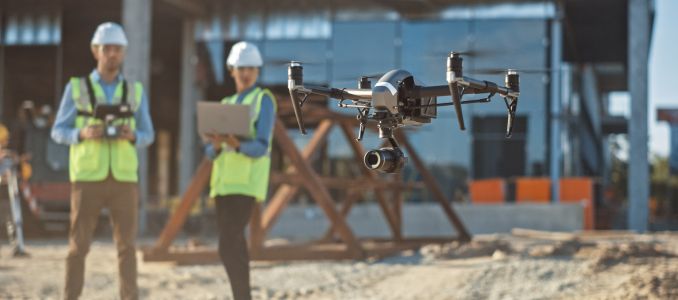
- Predictive Analytics: The next generation of software will likely use machine learning to predict potential exposure spikes based on historical production data, maintenance schedules, and ambient weather conditions.
- Ergonomic Integration: Wearable technology is beginning to merge with physiological monitoring, tracking not just chemical exposure, but physical strain, heart rate, and thermal stress.
- Sustainable PPE: There is an emerging trend toward circularity, where protective equipment is designed to be recycled or repurposed, reducing the massive waste streams generated by disposable PPE.
The 2026 Industrial Hygiene Awards represent more than just a list of products; they represent the collective effort of an entire sector to make the modern workplace safer, more transparent, and more responsive to the needs of the individual worker. By honoring these achievements, OH&S continues to foster a culture of safety that prioritizes the health of the employee above all else.
For organizations interested in exploring these solutions, the full list of winning technologies, categorized by their specific field of application, is available through the official OH&S portal. As these technologies become more accessible, the barrier to entry for high-level industrial hygiene management continues to lower, promising a future where workplace-related illnesses are not just managed, but systematically prevented.
The success of these companies serves as a blueprint for the industry, demonstrating that when human ingenuity is applied to the challenges of worker safety, the result is a safer, more efficient, and more productive global industrial base. The organizers encourage all organizations—regardless of size—to review these winners and consider how similar technological integrations might improve their own safety outcomes in the coming year.