The Clinical Onset and Symptom Profile
The medical sequence began in early spring when an acute viral infection led to secondary complications, specifically ear infections and Eustachian tube dysfunction. While the patient had navigated multiple bouts of COVID-19 since the onset of the global pandemic, he reported that the severity of this specific post-viral experience far exceeded previous health challenges. Tinnitus—the perception of noise or ringing in the ears—is often a secondary symptom of viral infections that cause inflammation of the middle or inner ear.
Clinical data suggests that such conditions are not uncommon; the British Tinnitus Association and other international health bodies have noted a rise in tinnitus reports following respiratory illnesses. The symptoms described by the artist—including profound hearing loss, facial pain, and persistent nausea—are consistent with severe vestibular and auditory nerve inflammation. For the patient, the psychological toll was immediate and severe, characterized by an acute sense of isolation. At its nadir, the psychological distress reached a critical threshold, leading to thoughts of self-harm as he struggled to find an environment that offered relief from the relentless internal noise.
Chronology of the Crisis
The trajectory of the illness can be mapped across a period of five weeks of acute vulnerability. In the initial phase, the patient found his daily activities, such as driving, to be physically unsafe due to the disorientation caused by the tinnitus. This necessitated a total withdrawal from his professional engagements, including classroom teaching and indoor workshops. The inability to function in professional settings led to a period of intense, self-reported depression.
By the second and third weeks, the patient began to explore adaptive coping mechanisms. He discovered that the high-pitched whistle was significantly more intrusive in confined, indoor spaces. Consequently, he shifted his focus to the outdoors. By the fourth week, the consistent, rhythmic practice of land art—an environmental discipline utilizing natural materials like stones, leaves, and twigs—began to serve as a grounding mechanism. By the fifth week, the intensity of the symptoms had diminished sufficiently to allow for a gradual, phased return to his professional work as a freelance educator.
Nature as a Therapeutic Modality
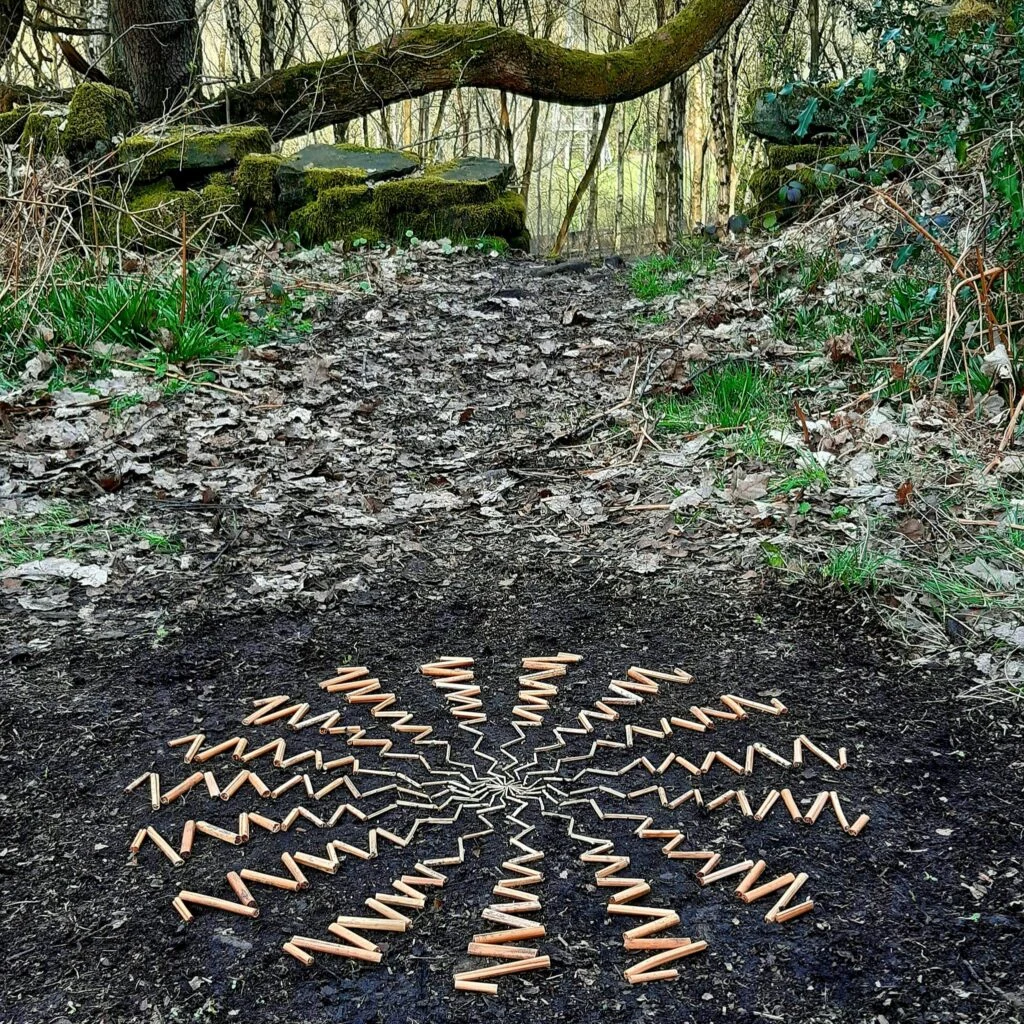
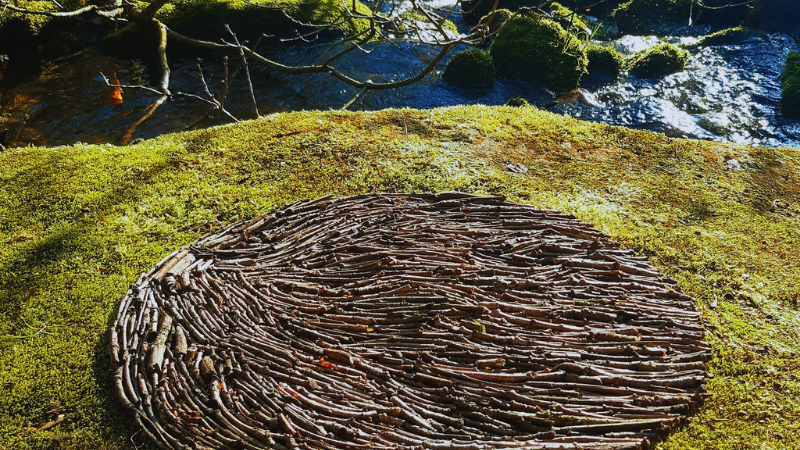
Land art, or Earth art, involves the manipulation of natural elements within their original environments. Unlike traditional studio-based art, this practice requires a high degree of somatic engagement. The artist’s process involves repetitive, simple tasks—such as arranging twigs on a forest floor—which serve to anchor the nervous system.
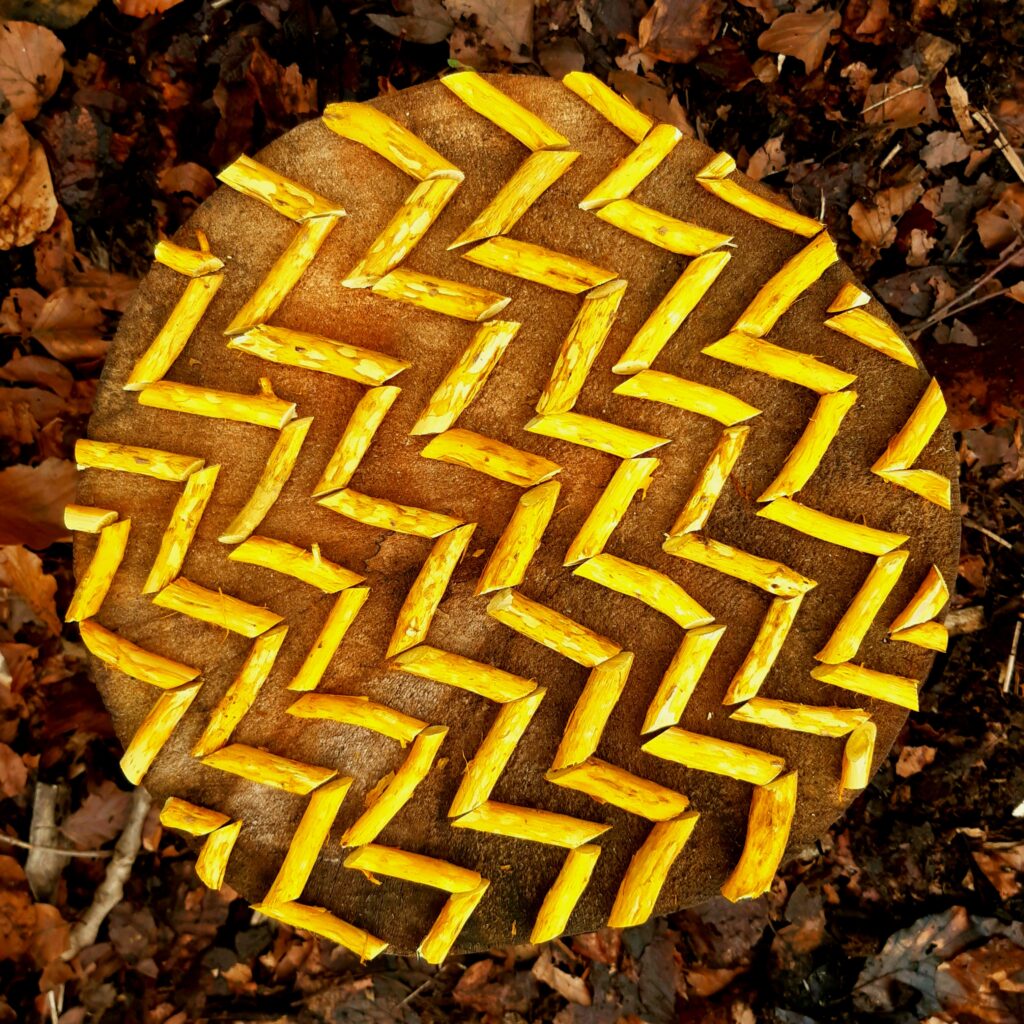
From a psychological perspective, this immersion acts as a form of "ecotherapy." Scientific literature increasingly supports the hypothesis that connection with natural environments can reduce cortisol levels and improve cognitive function in individuals experiencing sensory overload. For the artist, the act of creation became a way to externalize his internal struggle. His piece titled "Tinnitus," constructed from the vibrant yellow material found under the bark of the mahonia shrub, was intended to mirror the stark, angry quality of the noise he was experiencing. As his condition stabilized, subsequent works such as "Fizz" and "Wishbones" shifted in tone, utilizing lighter materials like dried bracken to symbolize recovery and the re-emergence of hope.
Broader Implications for Occupational Health
The challenges faced by the artist are emblematic of the wider issues surrounding invisible disabilities. Tinnitus affects an estimated 10% to 15% of the global population, with a significant subset experiencing symptoms severe enough to disrupt their ability to maintain steady employment. The implications for the gig economy and freelance sector are particularly stark, as these workers often lack the structured support systems or disability accommodations available in traditional corporate environments.
Experts in occupational health note that the shift toward remote work and the reliance on digital interfaces—which can often exacerbate tinnitus symptoms through high-frequency noise or prolonged headphone use—requires a re-evaluation of how we accommodate those with auditory sensitivities. The artist’s ability to return to his career was contingent upon his capacity to self-regulate his environment, a privilege that may not be available to all workers.
Professional Advocacy and Future Outlook
The artist’s return to teaching—leading poetry sessions, nature walks, and art workshops for schools and mental health charities—serves as a proactive response to his experience. By integrating his personal recovery narrative into his professional practice, he is now contributing to the broader discourse on how the arts can facilitate mental health rehabilitation.
The case underscores a vital point often overlooked by standard medical protocols: the need for holistic support that extends beyond pharmacotherapy. While medical intervention is necessary for managing the physical symptoms of ear infections and eustachian tube dysfunction, the secondary psychological impact requires a multi-faceted approach. Nature-based activities, as demonstrated here, provide a low-cost, high-impact method for sensory management and emotional stabilization.
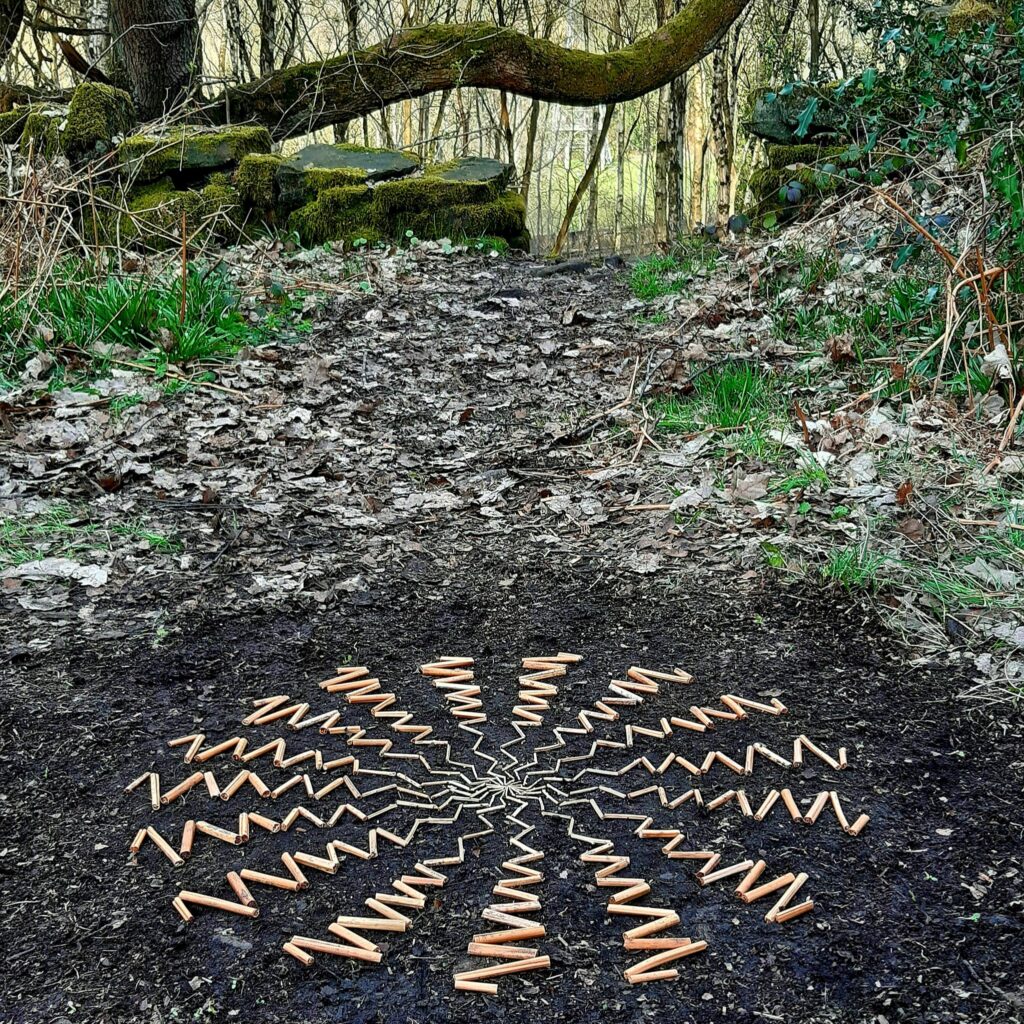
A Synthesis of Art and Healing
The transition from a state of total isolation to active engagement with the community highlights the resilience of the human spirit when provided with the right tools for coping. The artist’s work now serves as a tangible record of his survival. Each installation is not merely an aesthetic choice but a deliberate attempt to process the noise and reclaim his mental space.
As public health awareness regarding the long-term sequelae of viral infections continues to evolve, the documentation of such personal experiences becomes increasingly valuable. It provides a roadmap for others struggling with similar conditions, illustrating that while the path to recovery may be non-linear, the integration of environmental connection and creative expression can be a vital component of the healing process.
Ultimately, the artist’s journey from the depths of despair to the renewed activity of his professional life demonstrates that, even when the environment—both internal and external—feels overwhelming, the simple act of engaging with the natural world can restore a sense of agency. His experience serves as a testament to the therapeutic necessity of the arts and the enduring power of nature as a space for both creation and recuperation. In an age where digital noise and environmental stressors are at an all-time high, the lessons drawn from this experience—the importance of silence, rhythm, and the tactile connection to the earth—are more relevant than ever.