
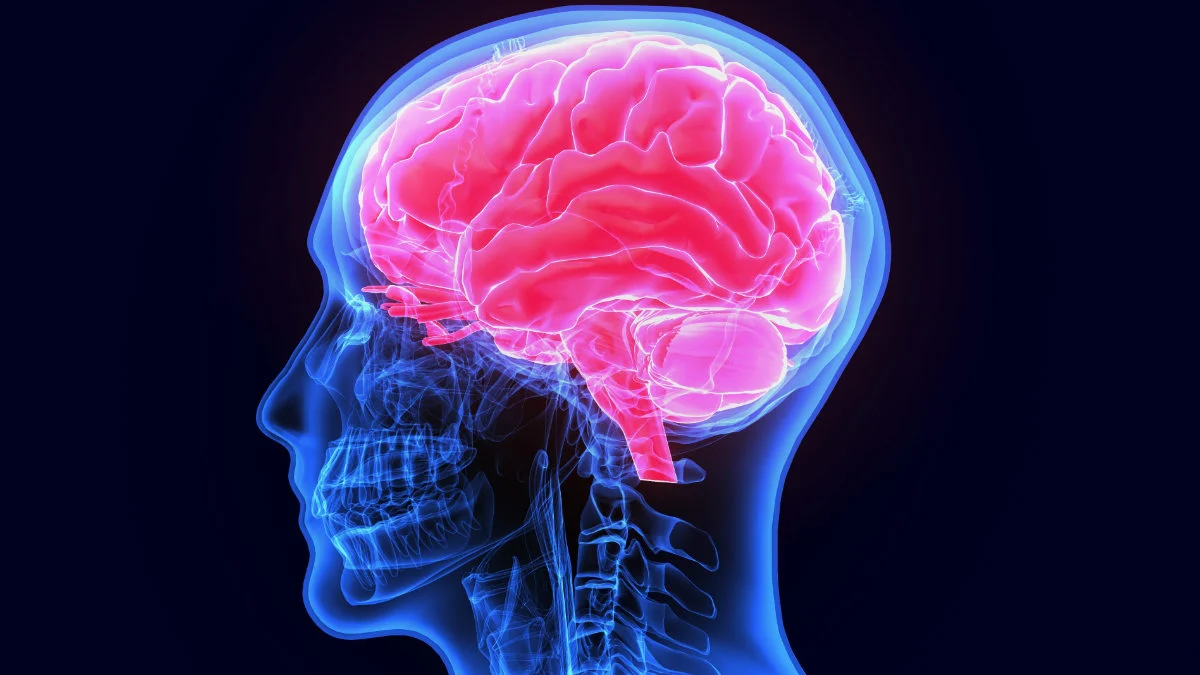
The Chinese research team’s findings indicate that a lower FSR in several key brain regions correlates directly with worse hearing acuity, diminished speech recognition capabilities, and poorer performance on standardized cognitive tests among adults diagnosed with presbycusis. This discovery suggests that age-related hearing loss may not simply be an isolated peripheral auditory issue but rather a systemic condition involving coordinated changes in both brain structure and function, extending far beyond the auditory pathways themselves. The potential for FSR to serve as a quantifiable biomarker represents a significant step forward in understanding, screening, and potentially monitoring the cognitive risks associated with age-related hearing impairment.
Unraveling the Brain-Ear Connection: A New Biomarker Emerges
The eNeuro study, published on February 18, 2026, delves into the neurobiological underpinnings of the hearing-cognition link by employing advanced MRI techniques. The Functional-Structural Ratio (FSR) is a composite measure designed to reflect the coherence or "match" between the functional activity of a brain region (measured via resting-state functional MRI, or rsfMRI, which assesses intrinsic brain activity when the subject is not performing a specific task) and its structural integrity (measured by the volume of gray matter, the tissue containing neuronal cell bodies, dendrites, and synapses, using structural MRI). A high FSR would imply that a brain region’s functional activity is well-supported by its structural volume, indicating efficient processing. Conversely, a lower FSR could suggest a decoupling or inefficiency, where functional demands are not adequately met by structural resources, or vice versa.
The researchers hypothesized that in individuals with presbycusis, this functional-structural coherence might be compromised in brain networks critical for both auditory processing and higher-order cognitive functions. Their meticulous analysis confirmed this hypothesis, revealing that participants with age-related hearing loss exhibited significantly lower FSR values in specific brain areas compared to their normal-hearing counterparts. These regions were not confined solely to the primary auditory cortex but extended into broader networks known to be involved in attention, memory, and executive functions. This widespread impact underscores the systemic nature of the observed changes, suggesting that the brain actively reorganizes and adapts—though not always optimally—in response to altered sensory input.
A Decades-Long Pursuit: The Link Between Hearing Loss and Cognitive Health
The scientific community’s understanding of the connection between hearing loss and cognitive decline has evolved considerably over the past few decades. Initially, observational studies hinted at a statistical correlation, but the mechanisms remained speculative. Early theories proposed a "cognitive load" hypothesis, suggesting that the increased effort required to process degraded auditory signals in individuals with hearing loss diverts cognitive resources away from other crucial functions like memory and attention, thereby accelerating cognitive fatigue and decline. Another perspective, the "deprivation hypothesis," posited that reduced auditory input due to hearing loss leads to sensory deprivation, which in turn results in structural and functional changes in the brain, including atrophy in auditory processing areas and broader neural reorganization. The "common cause" hypothesis suggested that both hearing loss and cognitive decline might share common underlying pathological processes, such as cerebrovascular disease or inflammation, rather than one directly causing the other.
The turning point for public health recognition came with the successive reports from The Lancet Commission on Dementia Prevention, Intervention, and Care. The initial 2017 report identified nine modifiable risk factors for dementia, including hearing loss, which was estimated to account for 9% of the modifiable risk. The subsequent 2020 update expanded this to twelve factors, further solidifying hearing loss’s position as a critical area for intervention. The most recent 2024 Lancet Commission report reiterates this crucial finding, urging global health systems to prioritize hearing health as a key strategy in dementia prevention. These reports have shifted the paradigm, moving hearing loss from a mere inconvenience to a significant public health concern with profound implications for cognitive well-being. However, while these commissions highlighted the what, the how – the exact neurobiological pathways – remained an active area of investigation. The eNeuro study aims to contribute a tangible answer to this enduring question by offering a quantifiable biological marker.
Methodology and Key Findings of the eNeuro Study
The rigorous design of the eNeuro study involved a carefully selected cohort of 110 participants. This included 55 adults diagnosed with presbycusis (24 men, 31 women) and 55 age-matched healthy controls with normal hearing (23 men, 32 women). All participants fell within the age range of 50-74 years, a demographic crucial for studying age-related conditions. The presbycusis group primarily comprised individuals experiencing mild to moderate hearing loss, ensuring that the observed effects were not solely attributable to severe auditory impairment but also to more common, milder forms of age-related hearing decline.
Each participant underwent a comprehensive battery of assessments. Standard audiological evaluations were performed to precisely quantify their hearing thresholds and characterize the nature and severity of their hearing loss. In parallel, participants completed a series of brief cognitive tests designed to assess various domains of thinking and memory, including measures of attention, working memory, and executive function. These tests provide a snapshot of an individual’s current cognitive status.
The core of the study, however, lay in the advanced MRI brain scans. From these scans, the research team meticulously analyzed two primary aspects within specific brain regions:
- Resting-state functional MRI (rsfMRI): This technique measures spontaneous fluctuations in blood oxygenation levels in the brain, which are indicative of neural activity. By observing these fluctuations when the brain is at rest, researchers can map out functional connectivity and intrinsic activity patterns within different brain networks.
- Structural MRI: This technique provides detailed images of brain anatomy, allowing for the precise measurement of gray matter volume in various regions. Gray matter volume is a proxy for the density of neurons and their connections, reflecting the structural integrity of brain tissue.
By combining these two measures, the researchers calculated the Functional-Structural Ratio (FSR) for various brain regions. The FSR essentially provides an index of how efficiently brain structure is supporting brain function. The main takeaway from this detailed analysis was striking: across several critical brain regions involved in sound and speech processing (e.g., primary and secondary auditory cortices), as well as higher-level cognitive functions (e.g., prefrontal cortex, parietal cortex, and areas within the default mode network associated with self-referential thought and memory retrieval), individuals with presbycusis consistently demonstrated a weaker match between structure and function. This manifested as significantly lower FSR values in these regions compared to the normal-hearing control group. Crucially, the study found that the degree of hearing impairment and poorer speech understanding were directly correlated with more substantial changes in these brain measures. Furthermore, these same FSR changes also tracked with lower scores on cognitive tests assessing memory and attention, solidifying the proposed link.
Beyond the Auditory Cortex: Broader Brain Reorganization
The findings from the eNeuro study resonate deeply with previous research that has pointed towards a more expansive brain reorganization in response to hearing loss, extending well beyond the classic auditory pathways. A significant review published in 2021 by Glick & Sharma in Hearing Review summarized extensive electroencephalography (EEG)-based work, which has provided crucial insights into this phenomenon. Their review highlighted that adults with mild-to-moderate age-related hearing loss often exhibit what is termed "cross-modal recruitment" and increased "frontal involvement."
Cross-modal recruitment refers to the brain’s tendency to reallocate resources from other sensory modalities (e.g., visual processing) to assist with the impaired auditory processing. This adaptive mechanism, while seemingly beneficial, can come at a cost, potentially leading to reduced resources for the original functions of those recruited brain areas. Frontal involvement refers to an increased reliance on frontal lobe regions, which are typically associated with executive functions like attention, effortful listening, and decision-making. The Glick & Sharma review found that a greater degree of this neural reorganization tends to correlate with poorer speech-in-noise performance – a common and debilitating challenge for individuals with hearing loss – and weaker overall cognitive function.
Crucially, the 2021 review also presented compelling evidence that well-fitted hearing aids, when worn consistently over several months, might have the potential to reduce or even reverse some of this cross-modal recruitment and frontal over-activation. Simultaneously, these interventions were shown to improve speech-in-noise comprehension and enhance several cognitive measures. This aligns remarkably well with the new eNeuro paper’s findings. The detection of changes in FSR across a network of brain regions, not just the primary auditory cortex, strongly supports the notion that hearing loss is associated with measurable brain reorganization that is systemic, extends beyond classic auditory pathways, and is intrinsically linked to cognitive performance. This further emphasizes that hearing loss is a brain-level phenomenon, not merely an ear problem.
)
The Promise of FSR: A Potential Biomarker for Cognitive Risk
The implications of the FSR as a potential biomarker are profound. As lead author Ning Li articulated in the Society for Neuroscience press release, "The most important takeaway is that preserving hearing health may protect brain integrity." This statement underscores the preventive aspect of addressing hearing loss. Li further elaborated, "Because changes in the FSR correlate with both hearing loss and cognitive decline, this ratio could eventually serve as a biomarker—a tool for doctors to identify who is at the highest risk for dementia simply by looking at their brain scans."
This suggests a future where FSR could be integrated into clinical practice for screening and monitoring. Imagine a scenario where individuals presenting with early signs of presbycusis could undergo an MRI scan, and their FSR values could provide an early warning signal of heightened cognitive risk. This would allow for timely interventions, not only for their hearing but also potentially for cognitive health. Such a biomarker would move beyond purely subjective hearing tests or generalized cognitive screens, offering a more direct and neurobiologically informed assessment of an individual’s vulnerability. This could revolutionize the way we approach personalized medicine for aging populations, allowing for targeted strategies before significant cognitive impairment manifests.
The Global Burden of Hearing Loss and Cognitive Decline
The significance of these findings is amplified when viewed against the backdrop of global health statistics. Age-related hearing loss is one of the most prevalent chronic conditions affecting older adults worldwide. According to the World Health Organization (WHO), over 1.5 billion people globally live with some degree of hearing loss, and by 2050, nearly 2.5 billion people are projected to have some level of hearing loss, with at least 700 million requiring hearing rehabilitation. In developed nations, approximately one-third of individuals aged 65-74 years and nearly half of those 75 and older experience hearing loss. Yet, a vast majority of these cases remain undiagnosed and untreated, often due to lack of awareness, stigma, or limited access to affordable hearing healthcare.
Concurrently, cognitive impairment and dementia represent another escalating global health crisis. The WHO estimates that over 55 million people live with dementia worldwide, and this number is projected to reach 78 million by 2030 and 139 million by 2050. The societal and economic burden of dementia is enormous, impacting not only individuals and their families but also healthcare systems and national economies. In 2019, the global cost of dementia was estimated at US$1.3 trillion, a figure expected to rise dramatically.
Given the high prevalence of both conditions and the strong correlation established by the Lancet Commission, any scientific breakthrough that elucidates the mechanisms linking them, such as the FSR, carries immense public health implications. The urgency of finding effective diagnostic tools and intervention strategies for both hearing loss and cognitive decline cannot be overstated. The eNeuro study contributes to this urgent need by offering a concrete, measurable neurobiological link, potentially paving the way for integrated preventative strategies that address both conditions simultaneously.
Addressing Limitations and Charting the Future Research Course
While the eNeuro study represents a significant stride forward, it is crucial to acknowledge its inherent limitations, which are typical of pioneering research. The study employed a cross-sectional design, meaning data was collected at a single point in time for all participants. This design allows for the identification of associations and correlations, but it cannot definitively prove causality. In other words, the results show that hearing loss is associated with specific brain changes and cognitive performance, but they cannot conclusively determine whether hearing loss causes these brain changes, whether earlier brain changes contribute to both hearing and cognitive performance, or if some other confounding factor influences all of them.
Furthermore, the sample size of 55 participants in each group, while adequate for an initial exploratory study, is relatively small. This limits the generalizability of the findings to the broader, more diverse population of individuals with presbycusis. To truly validate FSR as a reliable biomarker, larger, multi-center, and more diverse studies are imperative. These future studies should ideally be longitudinal, following participants over extended periods. Such a design would enable researchers to observe changes in FSR over time, track the progression of hearing loss and cognitive decline, and establish whether FSR can indeed predict future cognitive decline, rather than merely correlating with current test scores.
)
Moreover, the utility of FSR at the individual patient level needs to be thoroughly investigated. Can it consistently and reliably identify individuals at high risk? Is it stable enough to monitor intervention efficacy? Future research must also delve deeper into the precise neurobiological mechanisms underpinning FSR changes. What cellular or molecular processes contribute to the observed decoupling of function and structure in the aging brain with hearing loss? Answering these questions will be critical for translating FSR from a research tool into a widely applicable clinical instrument.
Towards a Holistic Approach: Preserving Hearing, Preserving Brain Health
Despite these acknowledged limitations, the new eNeuro study provides a specific, testable brain-based link between hearing measures and cognitive performance, lending robust support to the broader view that hearing health is inextricably relevant to brain health. This paradigm shift encourages a holistic outlook in healthcare, moving away from treating sensory impairments in isolation.
If future research successfully validates FSR as a reliable and predictive marker, it could profoundly impact both research and clinical practice. Researchers could use FSR to identify specific brain targets for therapeutic interventions aimed at mitigating cognitive decline in individuals with presbycusis. Clinicians, armed with this biomarker, could potentially identify individuals with presbycusis who are on a steeper brain-health trajectory, allowing for earlier and more aggressive recommendations for interventions that improve hearing and communication. These interventions, ranging from well-fitted hearing aids and assistive listening devices to cochlear implants for more severe cases, could then be seen not just as tools to improve communication, but as critical strategies to help stabilize or even improve underlying brain-network changes and potentially reduce the risk of cognitive decline.
The study underscores the urgent need for increased public awareness regarding the pervasive impact of hearing loss on overall health, including cognitive function. Regular hearing screenings, particularly for middle-aged and older adults, should become a routine part of preventive healthcare. Policy implications are also significant, demanding greater investment in accessible and affordable hearing healthcare services, as well as continued funding for research into the complex interconnections between sensory function and brain health. Ultimately, by preserving hearing health, we may be taking a crucial step towards preserving brain integrity and fostering healthy aging for millions worldwide.