Background and Historical Context of the NAD Conference
The NAD National Conference is a biennial event that serves as the premier platform for advocacy, networking, and professional development within the deaf and hard-of-hearing community. Since its inception, the conference has functioned as a cornerstone for the NAD’s mission to preserve, protect, and promote the civil, human, and linguistic rights of deaf and hard-of-hearing individuals.
The biennial nature of the conference allows the organization to rotate its host city, providing a national footprint that engages different regional demographics. The choice of San Francisco for 2026 holds particular significance, given the city’s long history of activism and its role as a hub for technology and accessibility innovation. By bringing the conference to the West Coast, the NAD aims to foster deeper engagement with regional stakeholders, including local advocacy groups, educational institutions, and corporate partners who prioritize inclusive design.
Defining the 2026 Conference Tracks
To ensure a comprehensive and balanced program, the NAD has structured the 2026 conference around ten distinct tracks. These tracks are designed to categorize the diverse range of expertise required to address the current landscape of deaf affairs. While specific track titles evolve based on emerging trends, the current call for proposals prioritizes submissions that offer actionable insights in the following areas:
- Advocacy and Public Policy: Strategies for influencing legislation and ensuring civil rights protections.
- Education and Pedagogy: Innovations in bilingual education and classroom accessibility.
- Deaf Culture and Identity: Explorations of intersectionality, history, and community heritage.
- Technology and Innovation: The role of artificial intelligence, captioning, and communication devices in daily life.
- Employment and Vocational Development: Navigating the workforce and overcoming systemic barriers.
- Mental Health and Wellness: Addressing unique psychological needs and access to mental health services.
- Accessibility and Universal Design: Best practices for public and private sector inclusion.
- Language Rights: Protecting the integrity and usage of American Sign Language (ASL).
- Youth Empowerment: Leadership training and mentorship for the next generation.
- Community Engagement: Strategies for grassroots organizing and local chapter development.
These tracks are intended to serve as a roadmap for presenters, ensuring that the final conference agenda provides a holistic view of the challenges and triumphs currently facing the community.
The Significance of the March 15 Deadline
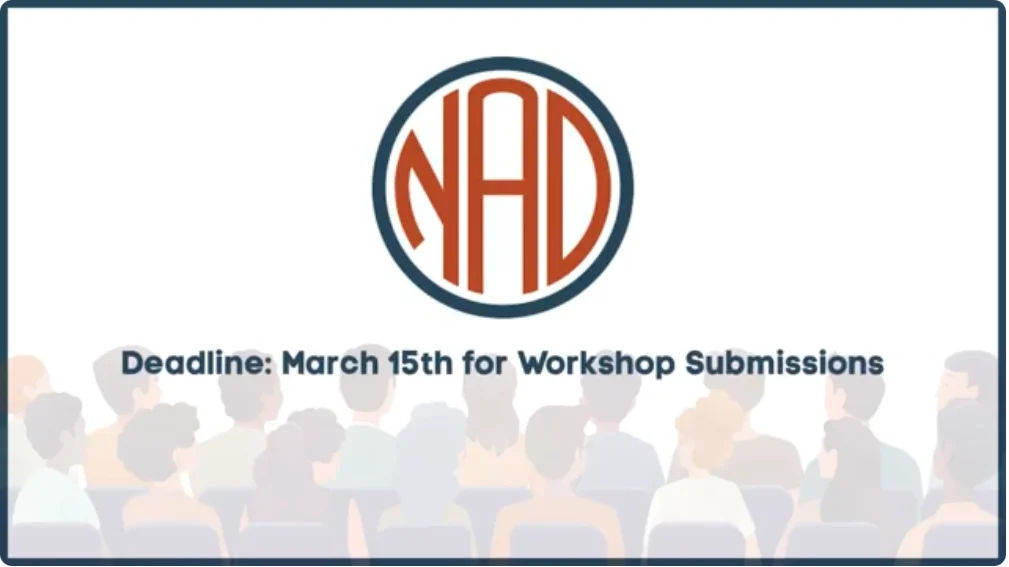
The March 15 deadline is a critical milestone in the conference planning timeline. Following the close of submissions, the Workshops Team will initiate a rigorous peer-review process. Proposals are evaluated based on their relevance to the NAD mission, the clarity of learning objectives, the speaker’s expertise, and the potential impact on the audience.
DeAnna Swope, serving as the Board Liaison for the Workshops Team, has underscored the urgency of this process. The lead time between the call for proposals and the actual conference is essential for logistical coordination, the finalization of the speaker schedule, and the vetting of accessibility requirements for each presentation. Presenters are encouraged to provide detailed outlines and specific, measurable learning outcomes to increase the likelihood of acceptance.
Supporting Data and Community Impact
Historically, the NAD conference attracts thousands of attendees, ranging from educators and researchers to activists and policymakers. Data from previous conferences suggests that workshops with high levels of attendee engagement and practical, "take-home" resources receive the highest satisfaction ratings.

In recent years, there has been a marked shift toward presentations that highlight the intersectionality of the deaf experience. Research indicates that attendees are increasingly seeking content that addresses the experiences of deaf individuals from marginalized backgrounds, including those of color, those who identify as LGBTQ+, and those with additional disabilities. By focusing on these ten specific tracks, the NAD intends to ensure that the 2026 conference is not merely a lecture series, but a collaborative environment that produces tangible solutions for real-world problems.
Institutional Perspectives and Strategic Goals
From an institutional standpoint, the NAD views the conference as the most vital vehicle for member recruitment and organizational growth. The proposals submitted by community members act as a barometer for what the membership values most. When a community member proposes a workshop, they are effectively identifying a gap in knowledge or a pressing need that the organization may not have addressed through its standard policy work.
The NAD Board of Directors has signaled that this conference will place a heavy emphasis on sustainability and the longevity of advocacy efforts. Consequently, proposals that offer long-term strategies—rather than temporary fixes—are expected to be viewed more favorably by the selection committee. The involvement of regional liaisons, such as those from NAD Region 3, ensures that the selection process remains representative of the diverse geographic needs of the national membership.
Implications for the Future of Deaf Advocacy
The implications of the 2026 conference extend far beyond the duration of the event itself. The workshops presented will be archived and, in many cases, will inform the policy papers and position statements that the NAD adopts in the years following the conference.
Furthermore, the integration of new technologies into the workshop tracks reflects the organization’s commitment to staying at the forefront of the digital divide. As artificial intelligence and machine learning continue to impact communication accessibility, the NAD is positioning its conference as a primary forum for discussing the ethical and practical applications of these tools. The call for proposals is, therefore, a call for thought leadership. It is an opportunity for practitioners to shape the narrative regarding how these technological advancements should be implemented to support, rather than replace, the essential human element of sign language communication.
How to Participate and Submit
Prospective speakers are directed to the official NAD 2026 conference portal to review the full submission guidelines. The application process requires a clear description of the session, a biography of the presenter, and a demonstration of how the session aligns with the established tracks.
The submission platform is designed to be fully accessible, reflecting the organization’s commitment to lead by example. The NAD encourages individuals who may have never presented at a national conference before to consider submitting, as the goal is to cultivate a diverse pipeline of speakers who represent the full spectrum of the deaf and hard-of-hearing population.
Conclusion and Call to Action
The success of the NAD 2026 Conference in San Francisco will be determined by the quality and diversity of the contributions made by its members. By submitting a proposal, individuals have the opportunity to directly influence the discourse of the deaf community for the coming decade. As the deadline approaches, the NAD continues to advocate for a robust and representative program that reflects the evolving needs of its constituents.
The organization reiterates that the time for preparation is now. Whether an individual has deep academic expertise, extensive professional experience, or unique lived insights, their contribution is considered a vital component of the broader advocacy movement. By engaging with the call for workshops, the community ensures that the NAD remains a dynamic, responsive, and powerful force for progress. Interested parties are urged to visit the official NAD website immediately to begin the submission process and ensure their voice is included in the national conversation.