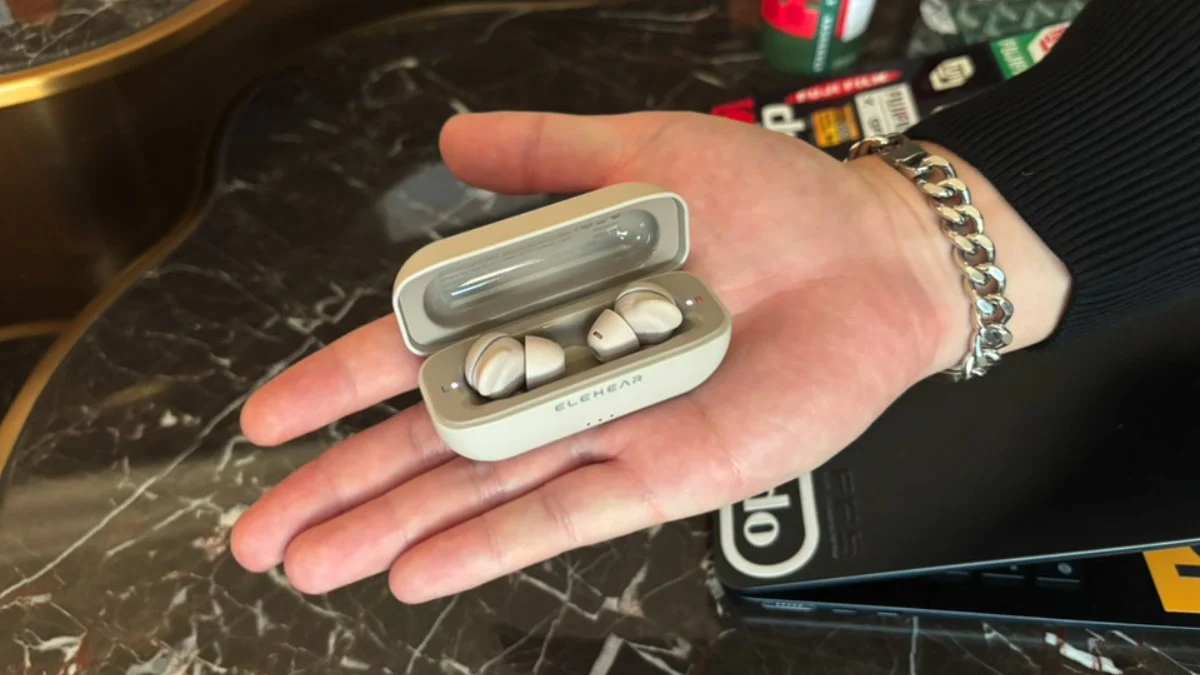
The global stage of CES 2026, held in Las Vegas, provided the ideal backdrop for ELEHEAR to introduce the Delight. As a premier international showcase for innovation, CES attracts media, industry leaders, and tech enthusiasts, making it a powerful platform for unveiling products that aim to disrupt established markets. The decision to launch Delight at such an event underscores ELEHEAR’s ambition to position its new device not merely as a medical aid but as a sophisticated wearable technology. The announcement follows a period of rapid development and increasing competition in the OTC hearing aid sector, spurred by landmark regulatory changes that have broadened access to hearing care solutions for millions.
An exclusive preview and hands-on trial of the Delight were afforded to journalists at the event, revealing an AI-driven hybrid in-the-ear device that seamlessly integrates Bluetooth audio streaming. Initial impressions highlight the Delight’s capability to deliver clear speech in diverse acoustic environments, from quiet conversations to bustling noisy settings, complemented by high-quality audio streaming and a versatile, intuitive mobile application. Priced "above $349," with an early-bird pre-sale offer of $329, the Delight positions itself competitively, notably within striking distance of premium consumer earbuds like Apple’s AirPods Pro 3, yet offering specialized hearing enhancement capabilities.
The foundation of the Delight’s performance lies in ELEHEAR’s established Beyond Pro hearing aid platform. The Beyond Pro model has garnered significant industry recognition, including an "A" SoundGrade and the 2025 Expert Choice Award from the independent HearAdvisor lab. This lineage ensures that the Delight benefits from a proven technological base, notably featuring a Deep Neural Network (DNN) sound-processing system. This is a crucial innovation, as the Delight is reportedly the first OTC hearing aid to incorporate DNN for listening in challenging, noisy environments—a feature previously reserved for more expensive, professionally fitted devices. DNN technology allows the hearing aid to intelligently separate speech from background noise, enhancing comprehension and reducing listening fatigue, a common complaint among hearing aid users.
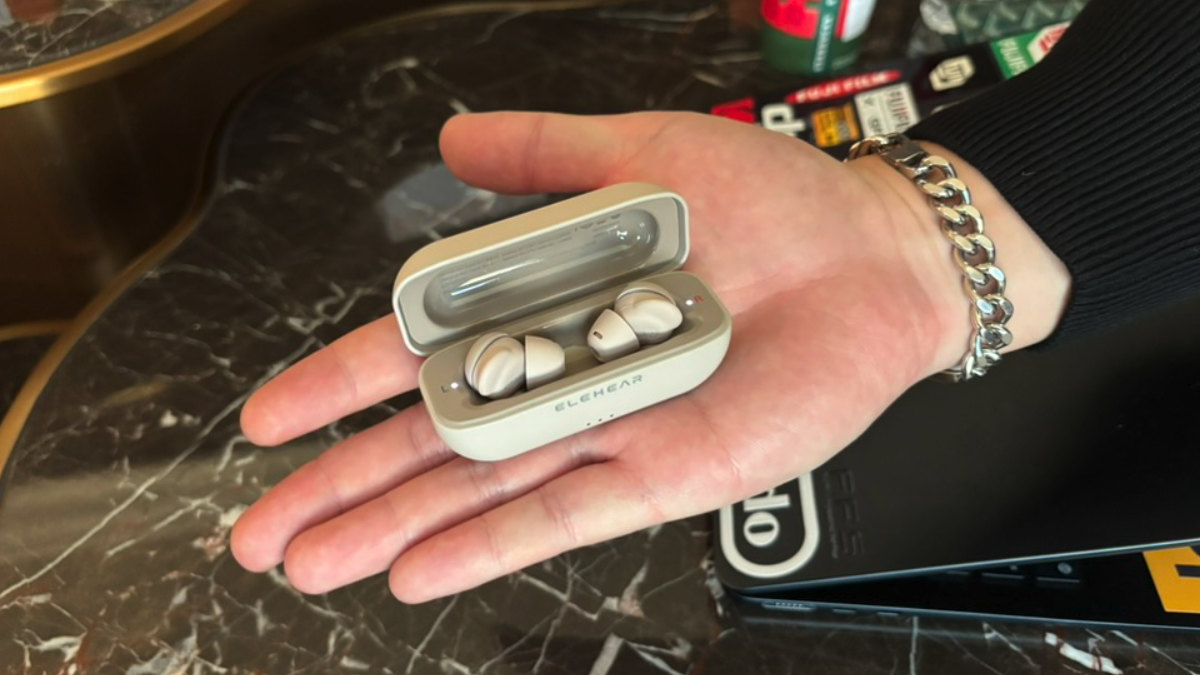
The introduction of the Delight sends a powerful message to the hearing healthcare industry. It demonstrates the feasibility of developing an in-ear, AI-powered OTC hearing aid that not only provides credible speech-in-noise performance but also aligns with the comfort, aesthetic, and convenience expectations set by the wider consumer electronics market. This convergence of medical technology and consumer design is vital for overcoming the historical barriers of stigma and cost associated with traditional hearing aids.
Evolution of OTC Hearing Aids and Regulatory Landscape
The landscape for hearing assistance has been dramatically reshaped by the U.S. Food and Drug Administration’s (FDA) ruling in October 2022, which allowed the sale of OTC hearing aids directly to consumers. This regulatory shift was a response to the alarming statistics surrounding hearing loss globally. According to the World Health Organization (WHO), over 1.5 billion people worldwide live with some degree of hearing loss, and by 2050, nearly 2.5 billion people are projected to have some level of hearing loss, with at least 700 million requiring hearing rehabilitation. Yet, historically, access to professional audiological care and prescription hearing aids has been limited by high costs, lack of insurance coverage, and geographical barriers, leading to a vast undertreated population.
The FDA’s decision was intended to foster innovation, increase competition, and make hearing aids more affordable and accessible for adults with perceived mild to moderate hearing loss. Prior to this, consumers typically had to undergo an audiologist’s examination and purchase prescription devices, often costing thousands of dollars. The OTC category aims to fill this gap, offering self-fitting or user-adjustable devices at a fraction of the cost, often resembling popular consumer earbuds to minimize perceived stigma.
ELEHEAR’s entry into this expanded market with the Delight capitalizes on this regulatory environment. The company’s strategic decision to build on the success of its Beyond Pro platform, which has already demonstrated its efficacy and received critical acclaim, lends significant credibility to the Delight. The Beyond Pro’s "A" SoundGrade from HearAdvisor, an independent lab known for objective acoustic performance testing, validates ELEHEAR’s underlying technology and commitment to sound quality. This scientific endorsement is crucial in a market where consumers are navigating a plethora of new, often unproven, devices.
)
Design Philosophy: Blending Form and Function
During the CES interview, ELEHEAR President and Managing Director David Hogan and VP of Sales Jeffrey Teng provided insights into the Delight’s design philosophy. While ELEHEAR refers to the Delight as a CIC (completely-in-canal) hearing aid, the author notes that it more closely resembles a small, hybrid in-the-canal (ITC) earbud, a distinction often made by hearing care professionals. Traditional CICs are typically custom-molded and sit deeper in the ear canal, while ITCs are smaller, ready-to-wear devices that sit in the outer part of the ear canal. This subtle difference in classification highlights the product’s dual identity: a functional hearing aid with the aesthetic and user experience of a consumer earbud.
Despite initial reservations about ITC-type devices due to personal experiences with fit and occlusion, the author was notably impressed by the Delight’s comfort. This is attributed to its "wafer-soft silicone" eartips, available in three sizes (both vented and unvented), and the inclusion of "ear wings" in two sizes. These ear wings are designed to enhance retention, particularly beneficial for individuals leading active lifestyles, ensuring the device remains securely in place during physical activities such as yoga, tennis, or pickleball. This focus on secure, comfortable fit addresses a significant pain point for many earbud users and is critical for consistent hearing aid wear.
The design philosophy extends beyond comfort to aesthetics. For many potential users, the visible nature of traditional behind-the-ear (BTE) hearing aids, or even receiver-in-canal (RIC) styles, can be a deterrent. The discreet, in-ear form factor of the Delight offers an appealing alternative, particularly for those who prioritize a less conspicuous device. Furthermore, the challenges often faced by glasses wearers with RIC hearing aids—such as wire length, physical fit, and interference between frames and the hearing aid—are circumvented by the Delight’s in-ear design. This thoughtful consideration of diverse user needs and preferences is a hallmark of ELEHEAR’s product development.
User Experience: Simplicity and Advanced Features
)
ELEHEAR’s stated goal with the Delight is to offer "best in show," comfortable, clear sound with user-controlled background noise attenuation. The core of this promise lies in its VOCCLEAR 2.0® AI system. This advanced AI is engineered to continuously learn and adapt to various sound environments, providing a more natural and immersive listening experience. Complementing this is the DNN Hybrid Feedback Cancellation, a sophisticated feature designed to eliminate the whistling sounds often associated with hearing aids while further improving speech comprehension, especially in complex auditory settings. This combination aims to reduce listening fatigue, allowing users to engage more comfortably in conversations and activities over extended periods.
The practical user experience is further enhanced by the Delight’s charging case. Its sleek, pocket-friendly design ensures portability and convenience. The hearing aids securely lock into place within the case, automatically powering off, and the case itself stores two additional full charges. This provides impressive total battery life: approximately 13.5 hours in primary "hearing aid mode," around 10 hours with some calls/streaming, and 5-6 hours with continuous streaming. With the charging case, the total operating time can extend up to 40.5 hours in hearing aid mode, providing substantial usage between wall charges.
The accompanying ELEHEAR app, available for both Apple iOS and Android, serves as the central control hub. It offers essential functions such as volume and tone/EQ adjustments, and program changes for different listening environments. Crucially, the app also integrates advanced tools like hearing tests and access to professional support via telecare. While the app includes a hearing test, it differentiates itself from some "self-fitting" OTC devices by not automatically calibrating the hearing aid based on the test results. Instead, users can choose to rely on preset programs, make manual adjustments, or submit their hearing test results to an ELEHEAR audiologist. This audiologist then conducts remote programming tailored to the user’s specific hearing profile and notifies the user upon completion, typically within 24 hours. This hybrid approach—combining direct-to-consumer accessibility with optional professional remote support—represents a significant value proposition, bridging the gap between purely self-service OTCs and traditional audiologist-led care.
Beyond core amplification, ELEHEAR positions the Delight as a comprehensive "wearable" package. This includes robust Bluetooth streaming capabilities for calls and music, multiple listening modes for various environments, several tinnitus relief sounds, and even real-time language translation. These features elevate the Delight beyond a mere hearing enhancement device, making it a versatile audio companion aligned with modern consumer expectations for smart wearables.
Strategic Positioning: For Life’s Situations and Activities
)
A key argument presented by ELEHEAR at CES was the Delight’s versatility and suitability for a broader range of situations and user types. This includes individuals who may be resistant to the aesthetics or feel of traditional BTE hearing aids. Jeffrey Teng highlighted the specific appeal for active individuals, listing activities like yoga, tennis, golfing, and pickleball as ideal scenarios for an in-ear solution. The secure fit provided by the ear wings directly addresses the needs of users seeking a device that can keep up with their dynamic lifestyles.
Moreover, ELEHEAR envisions the Delight as an exceptional second-pair option. For those who already use traditional hearing aids, the Delight could serve as a convenient alternative for specific activities or when a more discreet style is desired. David Hogan elaborated, "If you wear a traditional model most of the time, Delight can step in when you’re active—or when you simply want something more discreet." This strategy recognizes that many consumers with mild-to-moderate hearing loss may not require or desire 12-16 hours of daily wear. Instead, they seek assistance for specific "situational" needs: navigating noisy restaurants, enjoying television, participating in meetings, or engaging in family gatherings. A lower-cost, highly functional product that excels as a "situational hearing device" directly addresses this consumer behavior.
Hogan’s background, with experience at GN and Jabra and a decade in wearable startups, informs this approach. The Delight embodies the overlap between hearing technology and mainstream consumer tech expectations, where factors like comfort, aesthetics, and seamless onboarding are critical determinants of a product’s long-term adoption. He articulated a vision of OTC hearing aids as part of a broader continuum of care. Even if an OTC product is tried by someone whose hearing loss exceeds its intended range, any degree of "situational success" can be empowering. It can demonstrate that "audibility matters" and serve as a crucial stepping stone, encouraging individuals to seek professional care later in their hearing journey if needed. This perspective positions OTCs not as replacements for professional care but as vital entry points into the hearing health ecosystem.
Striving for "Best in Class" and Wider Appeal
ELEHEAR’s leadership emphasizes a deliberate and ambitious positioning within the OTC market. David Hogan articulated the company’s commitment: "If we’re going to do something, let’s try to be the best in class in what we do." The Delight’s objective, he explained, is to "stretch our boundaries and stretch the scope of potential users of the product." This means creating an exceptional hearing aid akin to the Beyond Pro, but in a form factor and at a price point that appeals to a broader demographic, particularly first-time users.
)
A unique aspect of ELEHEAR’s product development strategy is its engagement with "wellness ambassadors." This dedicated group of engaged customers serves as an ongoing focus group, providing invaluable feedback on prototypes and new ideas. Hogan highlighted the importance of this approach: "It really keeps us close to the real person. Rather than building products from a marketing hypothesis about a ‘hole in the market,’ we gather first-hand accounts of the pain-points that can make hearing aid adoption challenging." This customer-centric development model ensures that products like the Delight are designed with real-world needs and user experiences at the forefront. For a smaller company, every unit sold is seen as a "badge of honor," with each customer contributing to growth and refinement.
Jeffrey Teng further elaborated on this philosophy, stating, "First of all, we are a great observer…We try to absorb all those great points that we can see from our customers. And second, we’re good listeners, because we listen instead of checking on all those numbers… ‘how many units our competitors sold last year.’" This underscores ELEHEAR’s focus on genuine customer feedback over mere market share statistics, aiming to make the journey to better hearing as smooth and effective as possible for individual users.
The Larger Mission: Meeting an Urgent, Global Need
ELEHEAR founder and CEO Eric Miao succinctly summarized the company’s overarching mission: to deliver cutting-edge hearing technology at an affordable price, supported by advanced AI-driven sound processing and noise reduction. This mission is deeply rooted in addressing the urgent and growing global burden of hearing loss. Hundreds of millions of people worldwide could benefit from hearing assistance, yet a significant portion remains untreated due to factors like cost, limited access to care, social stigma, or the perceived inconvenience of the traditional fitting process.
By introducing capable, user-friendly OTC hearing aids like the Delight at mainstream consumer electronics price points, and by meeting consumers in familiar retail and online tech environments, ELEHEAR is making quality amplification far more attainable. This approach has the potential to democratize access to hearing care, reducing the barriers that have historically prevented many from seeking help. The Delight represents a tangible step towards a future where hearing assistance is integrated seamlessly into daily life, akin to other personal electronic devices.
)
Early Take and Future Outlook
The ELEHEAR Delight is clearly targeted at consumers seeking a high-performing, cost-effective hearing solution that is also discreet, comfortable, and easy to use. While the ELEHEAR Beyond or Beyond Pro might offer a more comprehensive all-day, all-around solution for some users, the Delight presents a compelling in-ear option. For its price point, approximately $349, it combines strong speech clarity in noise, meaningful noise reduction, seamless Bluetooth audio streaming, and a versatile app within an exceptionally compact package. The forthcoming results from the HearAdvisor acoustic lab will provide objective performance data, further validating its capabilities.
Whether the Delight ultimately serves as someone’s primary hearing solution or as a highly effective secondary pair for specific activities and situations, its design and feature set are aligned with a realistic adoption model: empowering people to hear better precisely when they need it most. This approach is critical for expanding the overall market for hearing assistance and improving the quality of life for millions globally. The ELEHEAR Delight stands as a testament to the ongoing innovation in the OTC hearing aid market, promising a future where advanced hearing technology is more accessible, affordable, and seamlessly integrated into the fabric of everyday life.