
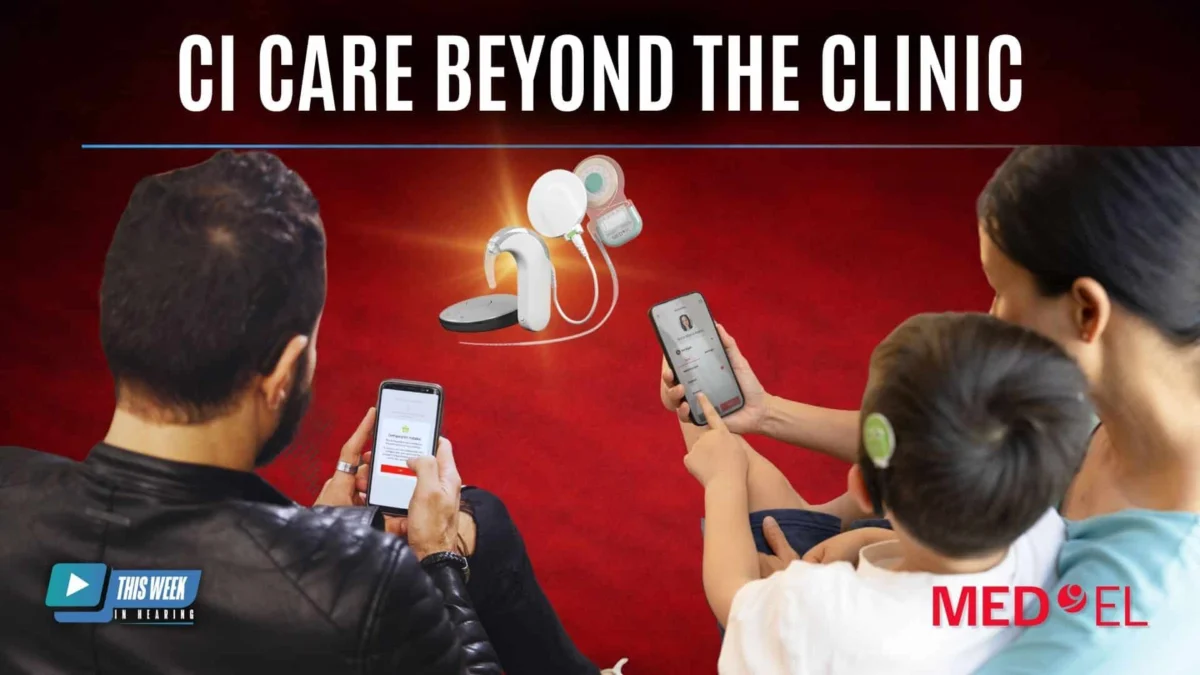
Dr. Kensi Saia, a Product Manager at MED-EL US and a former clinical audiologist, recently discussed the platform’s capabilities during an episode of "This Week in Hearing" with host Shari Eberts. Dr. Saia highlighted that the new system empowers audiologists to remotely monitor devices, review patient data, and even make crucial programming adjustments, thereby offering an unprecedented level of flexibility and convenience for both patients and healthcare providers. The overarching goal is to improve access to life-changing cochlear implant technology while simultaneously enhancing the operational efficiency of hearing clinics.
The Historical Context: Challenges in Cochlear Implant Care
Cochlear implants represent a remarkable triumph of medical engineering, offering profound hearing restoration for individuals with severe-to-profound sensorineural hearing loss who gain limited benefit from traditional hearing aids. However, the journey with a cochlear implant extends far beyond the initial surgical implantation. It involves an intensive, lifelong commitment to audiological follow-up, including initial activation, multiple "mapping" sessions to program the device, troubleshooting, and routine checks.
Historically, this care model has been predominantly clinic-based, necessitating frequent in-person appointments. While essential for optimal outcomes, this traditional approach presented several significant barriers:
- Geographical Disparities: Patients residing in rural or remote areas often faced arduous travel, sometimes hundreds of miles, to reach specialized CI centers. This not only involved substantial travel costs but also significant time away from work, school, or family responsibilities.
- Time and Logistical Burdens: Even for those closer to clinics, scheduling appointments, arranging transportation, and managing childcare or elder care could be a formidable challenge, leading to missed appointments or delayed care.
- Clinic Efficiency: Audiology clinics, particularly those specializing in cochlear implants, often operate at maximum capacity. Routine checks, minor troubleshooting, and standard programming adjustments consume valuable appointment slots that could otherwise be allocated to more complex cases, initial evaluations, or surgical candidates.
- Impact on Adoption: The perceived burden of ongoing, frequent clinic visits acted as a disincentive for some individuals who could benefit from CIs, contributing to the persistent gap between the number of eligible candidates and actual recipients.
The COVID-19 pandemic further underscored the vulnerabilities of purely in-person care models across all medical disciplines, accelerating the demand for and adoption of telehealth solutions. This global health crisis served as a catalyst, pushing healthcare providers and technology developers to rapidly innovate and integrate remote care capabilities into their services, including highly specialized fields like audiology.
MED-EL’s Strategic Response: A New Paradigm for CI Management
MED-EL’s Remote Care platform and HearCare app are a direct strategic response to these long-standing challenges and the emerging demands for digital health solutions. The system is designed to provide audiologists with unparalleled flexibility in how they connect with patients, extending their reach to diverse populations, including those previously underserved due to geographical constraints.
Dr. Saia emphasized that the platform allows clinicians to establish new "touchpoints" with existing patients, offering a convenient alternative to every in-person visit. This flexibility means that audiologists can prioritize face-to-face appointments for critical needs—such as complex programming, in-depth troubleshooting, or initial device activations—while leveraging remote tools for more routine aspects of care.
Core Features and Functionality:
The MED-EL Remote Care ecosystem comprises several key components that collectively redefine the patient and clinician experience:

-
The HearCare App (Patient-Facing): This intuitive mobile application empowers CI recipients with significant control over their hearing journey.
- Remote System Checks: Patients can perform self-diagnostic checks of both their internal implant and external audio processor anytime, anywhere. This feature provides immediate peace of mind, particularly for parents monitoring a child’s device or for individuals experiencing concerns after an accident or illness. The ability to verify device functionality from home eliminates the need for many unnecessary clinic visits for simple diagnostic checks.
- Cloud-Based Map Backups: The app allows patients to securely back up their personalized mapping data (the specific programming settings of their CI) to a cloud server. In the event of a lost or damaged audio processor, a replacement can be shipped directly to the patient, who can then download their stored map onto the new device in seconds. This drastically reduces downtime and removes the logistical burden from both the patient and the audiologist.
- Data Sharing and Questionnaires: Patients can share data collected by their device or input via questionnaires with their audiologist, providing valuable insights into their listening experience and device performance between scheduled visits.
- Guardian Role: The HearCare app includes a "guardian" feature, allowing primary caregivers to grant varying levels of permission to others, such as teachers, grandparents, or nurses. This ensures that even when the primary caregiver is unavailable, authorized individuals can perform system checks and assist the recipient, particularly beneficial for pediatric users.
-
Remote Care Platform within Maestro Programming Software (Clinician-Facing): This integrated software suite provides audiologists with the tools necessary to deliver comprehensive remote care.
- Data Review and Monitoring: Audiologists can access and review all data stored by the patient in their HearCare app, including system check results and responses to questionnaires. This allows for proactive monitoring and identification of potential issues, informing decisions about whether an in-person visit is truly necessary.
- Virtual Appointments: The platform facilitates secure virtual consultations, enabling audiologists to connect with patients via video call.
- Remote Programming Adjustments: Crucially, the system allows audiologists to make programming (mapping) adjustments to the patient’s CI remotely. These adjustments can be sent directly through the HearCare app, negating the need for the patient to travel to the clinic for every fine-tuning. This capability is particularly impactful for routine adjustments that do not require complex in-person diagnostic testing.
Supporting Data and Broader Implications
The introduction of MED-EL’s Remote Care platform arrives at a critical juncture for hearing healthcare. Globally, hearing loss affects over 1.5 billion people, with estimates suggesting that by 2050, nearly 2.5 billion people will have some degree of hearing loss, and at least 700 million will require hearing rehabilitation. Despite the profound benefits of cochlear implants for those with severe-to-profound hearing loss, adoption rates remain strikingly low. Studies indicate that only a small fraction—estimated between 5% and 10%—of adults who could benefit from cochlear implants actually receive them. This disparity is often attributed to a combination of factors, including lack of awareness, cost, and critically, the perceived burden of long-term care.
Telehealth, by breaking down geographical and logistical barriers, has the potential to significantly bridge this gap. The telehealth market, valued at approximately $83.5 billion in 2022, is projected to grow substantially, with a compound annual growth rate exceeding 20% in the coming years. While general medical consultations have led this charge, specialized fields are increasingly integrating remote capabilities. In audiology, particularly for CI care, remote programming and monitoring can drastically improve accessibility for underserved populations and those with limited mobility.
Impact on Access and Efficiency:
- Expanded Reach: The platform enables CI centers to serve a wider geographical area, reaching patients who previously had limited or no access to specialized care.
- Reduced Patient Burden: Lower travel time, costs, and fewer days off work/school translate into a less stressful and more sustainable long-term care commitment for recipients and their families.
- Optimized Clinic Operations: By offloading routine tasks to remote channels, clinics can allocate valuable in-person slots to more complex cases, initial evaluations, and surgical candidates, improving overall operational efficiency and potentially increasing patient throughput.
- Proactive Care: Remote monitoring and data sharing allow audiologists to detect potential issues earlier and intervene proactively, potentially preventing more significant problems and improving long-term outcomes.
Official Responses and Strategic Vision
The initial reaction from clinicians to MED-EL’s Remote Care platform has been overwhelmingly positive. Dr. Saia noted that audiologists appreciate the ability to offer patients an additional tool for peace of mind, empowering them with self-management capabilities. She emphasized that the platform is designed to lighten the audiologist’s load, particularly for non-billable tasks such as troubleshooting calls, allowing them to focus on complex clinical issues that truly require their in-person expertise.
From MED-EL’s perspective, this innovation is deeply rooted in their philosophy of individualization. The company strongly believes in tailoring solutions to the unique needs of each person, each cochlea, and each CI journey. Remote Care aligns perfectly with this ethos, providing a flexible, customizable approach to post-implantation management. It represents MED-EL’s commitment to developing leading-edge technology that not only restores hearing but also empowers connection and gives patients greater control over their health.
The platform is not merely a reaction to current trends but a strategic step towards the future of hearing healthcare. It envisions a future where technology acts as a bridge, connecting patients to care regardless of location, optimizing clinical workflows, and fostering a more collaborative relationship between patients and their healthcare providers. By facilitating faster processor replacements through cloud backups, for instance, MED-EL aims to reduce patient downtime and improve overall satisfaction, while simultaneously streamlining internal processes.
The Future of Hearing Healthcare: A Digital Horizon
MED-EL’s Remote Care platform sets a significant precedent for the integration of digital health solutions in specialized medical device care. It highlights a future where:
- Personalized Care Pathways become standard, with data-driven insights guiding individualized treatment plans.
- Global Health Equity is improved, as geographical barriers become less prohibitive for accessing highly specialized interventions.
- Patient Empowerment is maximized, enabling individuals to actively participate in managing their health and devices.
- Healthcare Systems operate with greater efficiency, allowing precious human resources to be directed where they are most critically needed.
While the benefits are clear, the successful implementation and widespread adoption of such platforms will also require ongoing attention to aspects like data privacy, cybersecurity, and ensuring equitable access for all, including those who may face a "digital divide." However, by prioritizing user experience, clinical utility, and robust security, MED-EL is paving the way for a more accessible, efficient, and patient-centered future for cochlear implant care. This transformative approach promises to unlock the full potential of cochlear implant technology for a greater number of individuals, truly empowering them to live skillfully with hearing loss and engage fully with the world around them.