Unveiling Innovation at CES 2026: A New Chapter for Hearing Health
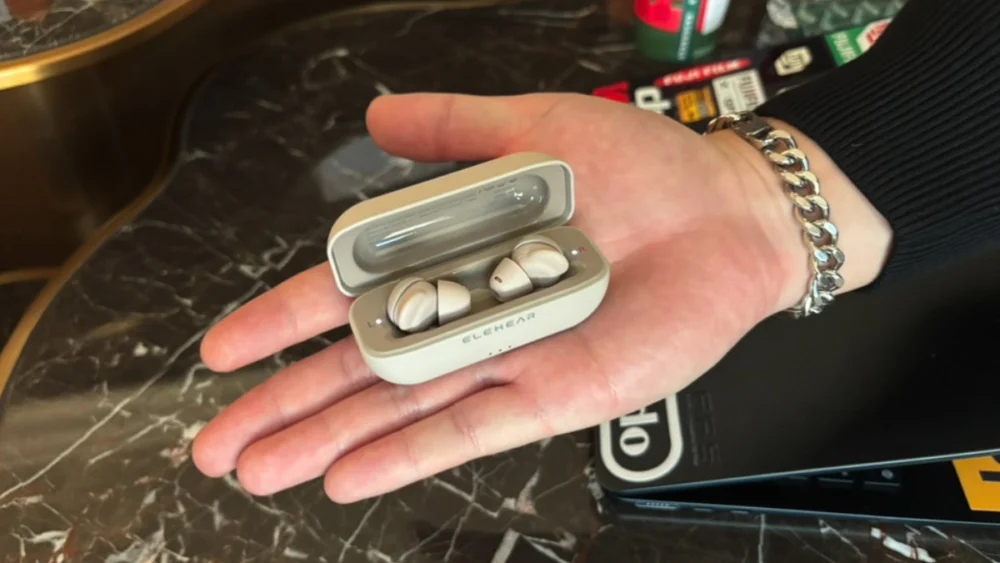
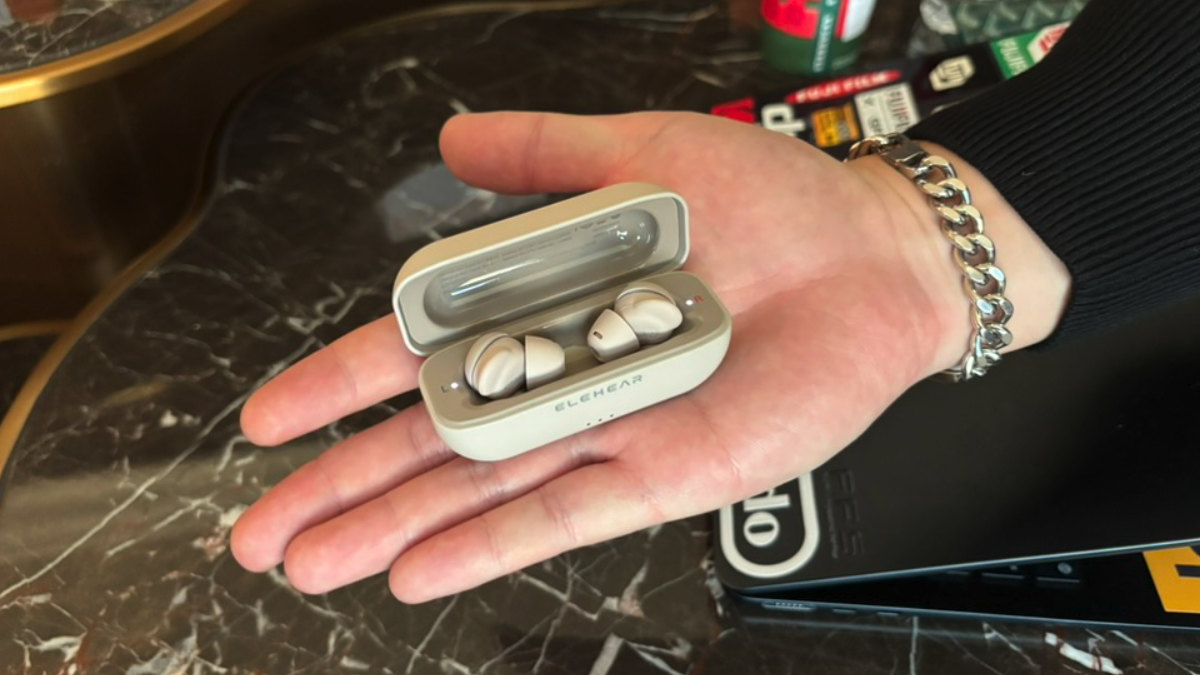
The annual Consumer Electronics Show (CES) serves as a global stage for groundbreaking technological advancements, and CES 2026 proved no exception, particularly in the burgeoning field of digital health. It was within this vibrant atmosphere of innovation that ELEHEAR provided an exclusive preview of its new Delight OTC hearing aid. The device immediately stood out for its diminutive size and sophisticated AI-driven hybrid in-the-ear design, complete with integrated Bluetooth audio streaming capabilities. Following an initial demonstration, a sample unit was provided for extended evaluation, yielding highly positive early impressions. The Delight, slated for a retail price "above $349," has demonstrated exceptional performance in delivering clear speech across diverse acoustic environments, from quiet conversations to bustling, noisy settings, while also offering high-quality audio streaming and a remarkably intuitive, versatile accompanying application.
Crucially, the Delight is not a standalone innovation but rather a direct evolution of ELEHEAR’s established and highly regarded Beyond Pro hearing aid platform. The Beyond Pro has garnered significant industry recognition, including an "A" SoundGrade and the coveted 2025 Expert Choice Award from the independent HearAdvisor lab, underscoring ELEHEAR’s commitment to verifiable acoustic performance. The integration of a Deep Neural Network (DNN) sound-processing system for enhanced listening in complex, noisy environments is a particularly noteworthy advancement, positioning the Delight as one of the first OTC hearing aids to feature such sophisticated AI capabilities. This technological leap signifies a maturation of the OTC market, pushing the boundaries of what consumers can expect from readily available hearing solutions.
The strategic launch of the Delight sends a clear message to the industry: the future of hearing aids, especially in the OTC segment, will increasingly converge with the design principles, user experience, and affordability of mainstream consumer electronics like wireless earbuds. With a regular price point that places it approximately $100 above Apple’s AirPods Pro 3, ELEHEAR is intentionally positioning the Delight to compete not just within the hearing aid market, but also within the broader consumer audio space. An aggressive limited-time early-bird pre-sale price of $329 further underscores this competitive strategy, aiming to attract early adopters with compelling value.
During CES, extensive discussions with ELEHEAR President and Managing Director David Hogan, alongside VP of Sales Jeffrey Teng, provided deeper insights into the strategic intent behind the Delight. These conversations explored the product’s core identity, its intended audience, and the company’s belief that this smaller form factor is poised to unlock significant opportunities for broader adoption. The author’s travel to CES was partially sponsored by ELEHEAR; however, all observations and conclusions presented remain independent and are the author’s own.
The Evolving Landscape of Over-the-Counter Hearing Aids
The introduction of the ELEHEAR Delight arrives at a transformative period for the hearing aid industry, largely catalyzed by the U.S. Food and Drug Administration’s (FDA) landmark ruling in August 2022. This ruling established a new category of OTC hearing aids, enabling consumers with perceived mild-to-moderate hearing loss to purchase devices directly, without a prescription or professional fitting. This regulatory shift was a direct response to a significant public health challenge: an estimated 30 million American adults could benefit from hearing aids, yet only about one-fifth of those who could benefit actually use them. Barriers such as high cost, lack of insurance coverage, access challenges to audiologists, and the persistent social stigma associated with hearing loss have historically kept adoption rates low.
The FDA’s decision was heralded as a monumental step towards improving access to hearing care, fostering competition, and driving innovation. Since then, the OTC market has seen a surge of new entrants and product offerings, ranging from basic sound amplifiers to more sophisticated devices incorporating advanced digital signal processing. However, a persistent challenge has been to deliver truly effective and user-friendly devices that can compete with traditional prescription hearing aids in terms of sound quality, noise reduction, and overall user experience, while maintaining an accessible price point.
The ELEHEAR Delight, with its AI-driven features and emphasis on a comfortable, discreet, in-ear form factor, represents a significant leap in addressing these market demands. It moves beyond mere amplification, offering a comprehensive listening solution that aligns with the evolving expectations of modern consumers who are accustomed to high-performance personal audio devices. This blending of medical device efficacy with consumer electronics appeal is critical for overcoming historical adoption barriers and expanding the overall market for hearing assistance.
Technological Prowess: AI and Speech Clarity
)
At the heart of the Delight’s impressive performance lies its sophisticated sound-processing engine, particularly the Deep Neural Network (DNN) system. Unlike traditional digital signal processing (DSP) algorithms, which rely on pre-programmed rules to differentiate between speech and noise, DNNs are a form of artificial intelligence that can learn from vast datasets of sounds. This allows the Delight to identify and separate speech from background noise with remarkable accuracy, even in highly complex and dynamic environments. For a user, this translates into clearer conversations, reduced listening effort, and significantly less fatigue over prolonged periods in challenging acoustic settings. This capability is a game-changer for OTC devices, which have often struggled to provide effective noise reduction compared to their prescription counterparts.
Further augmenting its acoustic performance is ELEHEAR’s proprietary VOCCLEAR 2.0® AI system. This system is designed for continuous learning and adaptation, enabling the Delight to dynamically adjust its processing parameters in real-time to optimize sound presentation for various environments. This adaptive intelligence ensures a more natural and immersive listening experience, moving beyond static programs to offer a truly responsive solution. The inclusion of DNN Hybrid Feedback Cancellation is another critical feature, specifically engineered to eliminate the annoying whistling or squealing that can plague in-ear devices, particularly when inserting or adjusting them. By actively predicting and neutralizing feedback, this technology further improves speech comprehension and overall user comfort, contributing to a seamless and natural auditory experience.
From an industry perspective, the integration of DNN technology into an OTC hearing aid at this price point is a powerful statement. It signals a democratization of advanced audiological features, previously reserved for premium prescription devices. This technological push is likely to spur further innovation across the OTC sector, raising the bar for performance and functionality, and ultimately benefiting consumers by providing more effective and accessible solutions.
Design and Comfort: A New Paradigm for In-Ear Devices
One of the most immediate points of discussion surrounding the Delight’s design is its classification. While ELEHEAR refers to it as a Completely-In-Canal (CIC) hearing aid, many hearing care professionals would likely categorize it as a small, hybrid In-The-Canal (ITC) earbud. This distinction, while technical, highlights the product’s innovative form factor. Traditional CICs typically sit deeper within the ear canal, often requiring custom molds, whereas ITCs are slightly larger and sit closer to the outer ear. The Delight’s design appears to blend aspects of both, aiming for a discreet yet universally adaptable fit.
The author, who typically experiences fit and comfort issues with ITC-type devices due to small ear canals and often prefers open-fit receiver-in-canal (RIC) hearing aids for their superior battery life and directional microphone capabilities, was genuinely surprised by the Delight’s comfort. This achievement is attributed to several thoughtful design elements. The device comes with a comprehensive selection of tip sizes, available in both vented and unvented options, allowing users to find an optimal acoustic seal and physical comfort. Additionally, "ear wings," available in two sizes, are included to enhance retention, particularly for individuals with active lifestyles. Jeffrey Teng emphasized the use of "wafer-soft silicone" for these components, underscoring ELEHEAR’s commitment to materials that prioritize extended wearability.
)
This focus on comfort and secure fit is crucial. Many potential hearing aid users are deterred by the aesthetics or physical sensation of traditional Behind-The-Ear (BTE) models or find generic earbuds irritating for prolonged use. The Delight’s discreet, comfortable, and active-life-friendly design directly addresses these concerns, offering a compelling alternative for those seeking an in-ear solution without compromising on comfort or stability during physical activities.
Intuitive Control and Extended Battery Life
ELEHEAR’s overarching goal with the Delight is to deliver "best in show" sound quality and comfort, coupled with user-friendly control and customizable background noise attenuation. The company’s VOCCLEAR 2.0® AI system, with its continuous learning capabilities, aims to provide a more natural and immersive soundscape, while DNN Hybrid Feedback Cancellation actively works to reduce whistling and improve speech comprehension, ultimately minimizing listening fatigue.
A standout feature in terms of user convenience is the Delight’s slick, pocket-friendly charging case. The hearing aids securely lock into place within the case, automatically powering down. While it is possible to incorrectly insert the left/right aids, the device provides an audible squeal as a clear deterrent. This attention to detail simplifies the daily routine of managing hearing aids.
Battery life, a critical factor for any portable electronic device, is optimized for varied usage patterns. ELEHEAR estimates approximately 13.5 hours of use per charge in a predominantly "hearing aid mode." With moderate audio streaming and calls, this figure adjusts to around 10 hours, and for continuous streaming, it provides a respectable 5-6 hours. The charging case is designed to hold approximately two additional full charges, extending the total potential battery life to an impressive 40.5 hours in hearing aid mode. This extended power reserve makes the Delight a reliable companion for all-day use, even for users who frequently engage in audio streaming.
The ELEHEAR app, compatible with both Apple iOS and Android smartphones, serves as the central control hub for the Delight. It offers essential functionalities such as volume adjustment, tone/EQ customization, and program changes for different listening environments. Beyond these basics, the app provides more advanced tools, including integrated hearing tests and direct access to professional support via telecare. While the app includes a hearing test, it does not automatically self-fit the hearing aid based on the results. Instead, users can choose from pre-set programs or submit their hearing test results to an ELEHEAR audiologist. This professional then conducts remote programming tailored to the user’s specific hearing profile, typically notifying the user of completion within 24 hours. This hybrid approach offers a balance of user autonomy and expert support, a key differentiator in the OTC market.
)
ELEHEAR is also actively refining the tap controls on the Delight. While tap controls on hearing aids can often be challenging to master, the company has implemented a simplified system for volume increase/decrease, augmented by clear voice prompts, making them straightforward to use for most individuals. Beyond core amplification, ELEHEAR positions the Delight as a comprehensive "wearable" ecosystem, integrating features like Bluetooth streaming, multiple listening modes, a selection of tinnitus relief sounds, and even real-time language translation, further enhancing its utility and appeal as a multi-functional device.
Strategic Positioning: The "Situational" and "Second-Pair" Advantage
ELEHEAR’s most compelling argument at CES 2026 transcended purely technical specifications; it focused on practical utility and broader applicability. The Delight is consciously designed to cater to a wider array of situations and user types, particularly those who might be hesitant to adopt traditional BTE-style hearing aids due to aesthetics or perceived discomfort.
Jeffrey Teng eloquently articulated this strategy, acknowledging that while BTE and RIC styles remain popular for their comprehensive features, they can present daily nuisances for certain users, especially glasses wearers. The interaction between spectacle frames and behind-the-ear devices, along with considerations like wire length and physical fit, can be a source of frustration. While ELEHEAR provides extensive telecare support, offering alternative wire sizes and expert assistance for its RIC users, Teng recognized that some consumers simply lack the patience for troubleshooting or seeking help. "For them, the idea of something simple that stays in your ear like Delight can be very appealing," Teng stated, highlighting the product’s inherent simplicity and ease of use as a primary draw.
He further elaborated on a myriad of activities perfectly suited for an in-ear solution, citing examples such as "yoga, tennis, golfing, pickleball." The secure fit and discreet nature of the Delight make it an ideal companion for active individuals who might find traditional hearing aids cumbersome during physical exertion. Perhaps even more strategically, Teng framed the Delight as an "exceptional second-pair option." This concept posits that users who already own a primary set of hearing aids (perhaps a traditional RIC for all-day use) might acquire the Delight for specific scenarios—workouts, sports, or simply when they desire a more discreet style.
This "situational hearing device" model aligns perfectly with the real-world usage patterns of many consumers, particularly those with mild-to-moderate hearing loss who purchase OTC hearing aids. While hearing aids are typically designed for continuous, all-day wear, many individuals primarily seek assistance for specific, challenging moments: noisy restaurants, watching television, attending meetings, or family gatherings. A lower-cost device that excels in these particular situations offers meaningful benefit and a practical entry point into hearing care. David Hogan reinforced this perspective, stating, "Delight can be used as a situational tool. For example, if you wear a traditional model most of the time, Delight can step in when you’re active—or when you simply want something more discreet."
)
Hogan’s background, with experience at GN and Jabra and over a decade in wearable startups, illuminates this approach. The Delight is clearly engineered for the intersection of audiological technology and mainstream consumer tech expectations, where factors like comfort, aesthetic appeal, and intuitive onboarding are paramount in determining whether a product becomes an indispensable daily tool or an unused "drawer ornament." Hogan views OTC hearing aids as part of a continuum. He acknowledged that some individuals try OTC products even when their hearing loss might technically exceed the mild-to-moderate range for which they are designed. While not always a perfect solution, such experiences can sometimes prove a crucial point: "audibility matters." This situational success can serve as a powerful catalyst, providing encouragement, empowerment, and an important stepping stone towards eventually accessing professional audiological care when their hearing journey necessitates it.
ELEHEAR’s Unique Development Philosophy
David Hogan articulated ELEHEAR’s deliberate and focused positioning within the competitive OTC market. "If we’re going to do something, let’s try to be the best in class in what we do," he asserted, emphasizing a commitment to excellence. The primary objective behind the Delight was not just to replicate the success of the Beyond Pro but to "stretch our boundaries and stretch the scope of potential users of the product," aiming to create an exceptional hearing aid that would also appeal more broadly to first-time users.
A key differentiator in ELEHEAR’s product development strategy, according to Hogan, is its unique engagement with "wellness ambassadors." This dedicated group of engaged customers serves as an ongoing focus group, actively participating in the testing of prototypes and providing invaluable feedback on new ideas. "It really keeps us close to the real person," Hogan explained. "Rather than building products from a marketing hypothesis about a ‘hole in the market,’ we gather first-hand accounts of the pain-points that can make hearing aid adoption challenging… In that sense, for a smaller company like ours, every unit we sell is a kind of badge of honor, because every customer helps fuel growth." This grassroots, customer-centric approach ensures that product development remains grounded in actual user needs and experiences.
Jeffrey Teng further elaborated on this philosophy, highlighting that ELEHEAR’s marketing and development are less about an arms race of specifications and more about a continuous customer feedback loop. "First of all, we are a great observer… We try to absorb all those great points that we can see from our customers," Teng explained. "And second, we’re good listeners, because we listen instead of checking on all those numbers… ‘how many units our competitors sold last year.’" This statement underscores ELEHEAR’s focus on qualitative user insights over purely quantitative market metrics, prioritizing what real users say works—and how their journey to better hearing can be made simpler and more effective. This philosophy resonates deeply in a market often driven by technical jargon, positioning ELEHEAR as a company genuinely attuned to the human element of hearing health.
Addressing the Global Hearing Health Challenge
)
Towards the conclusion of the interview, ELEHEAR founder and CEO Eric Miao joined the discussion, articulating the company’s broader mission in unequivocal terms: to deliver cutting-edge hearing technology at a price point accessible to more people globally, supported by advanced AI-driven sound processing and noise reduction. This mission is directly responsive to an urgent and escalating worldwide public health crisis.
According to the World Health Organization (WHO), over 1.5 billion people globally experience some degree of hearing loss, and this number is projected to rise to over 2.5 billion by 2050. Yet, a staggering 80% of those who could benefit from hearing aids currently do not use them, particularly in low- and middle-income countries. The primary barriers remain consistent: prohibitive costs, limited access to professional care, social stigma, and the sheer inconvenience and uncertainty often associated with initiating hearing aid use.
By actively developing and launching capable, user-friendly OTC hearing aids like the Delight at mainstream consumer electronics price points—and by strategically meeting consumers where they already shop for and compare tech devices—ELEHEAR is making quality auditory amplification significantly more attainable. This approach not only addresses the immediate need for affordable devices but also plays a crucial role in destigmatizing hearing aid use by integrating these devices into the familiar and appealing realm of personal electronics. This broader impact aligns with global health initiatives aimed at expanding access to essential health technologies and improving quality of life for millions.
My Early Take: A Promising Step Forward
The ELEHEAR Delight is precisely targeted at individuals seeking a high-performing, cost-effective hearing solution that also offers a discreet, comfortable, and intuitive user experience. While my personal preference for an "all-day, all-around solution" leans towards ELEHEAR’s Beyond or Beyond Pro models due to their comprehensive features and fit, the Delight carves out a significant niche. It would be challenging to find an in-ear solution in the price range of "somewhere in the neighborhood of $349" that effectively combines strong speech clarity in noisy environments, meaningful noise reduction, seamless Bluetooth audio streaming, and a versatile app within such a compact and appealing package. I am keenly anticipating the formal performance results from our independent HearAdvisor acoustic lab, and these findings will be published as soon as they become available.
Whether the Delight ultimately serves as someone’s primary hearing solution or as a highly effective secondary pair for specific activities—such as gym workouts, golf, fishing, or other situational needs—it is clearly designed with a realistic adoption model in mind. It aims to empower individuals to hear better precisely when and where they need it most, thereby removing significant barriers to entry for improved auditory health. The ELEHEAR Delight represents a compelling advancement in the OTC hearing aid market, promising greater accessibility and a higher standard of performance for a global population in need.
)
For more information, interested readers can visit the ELEHEAR Delight pre-sale website or the official ELEHEAR website.