The Chronology of Early Intervention
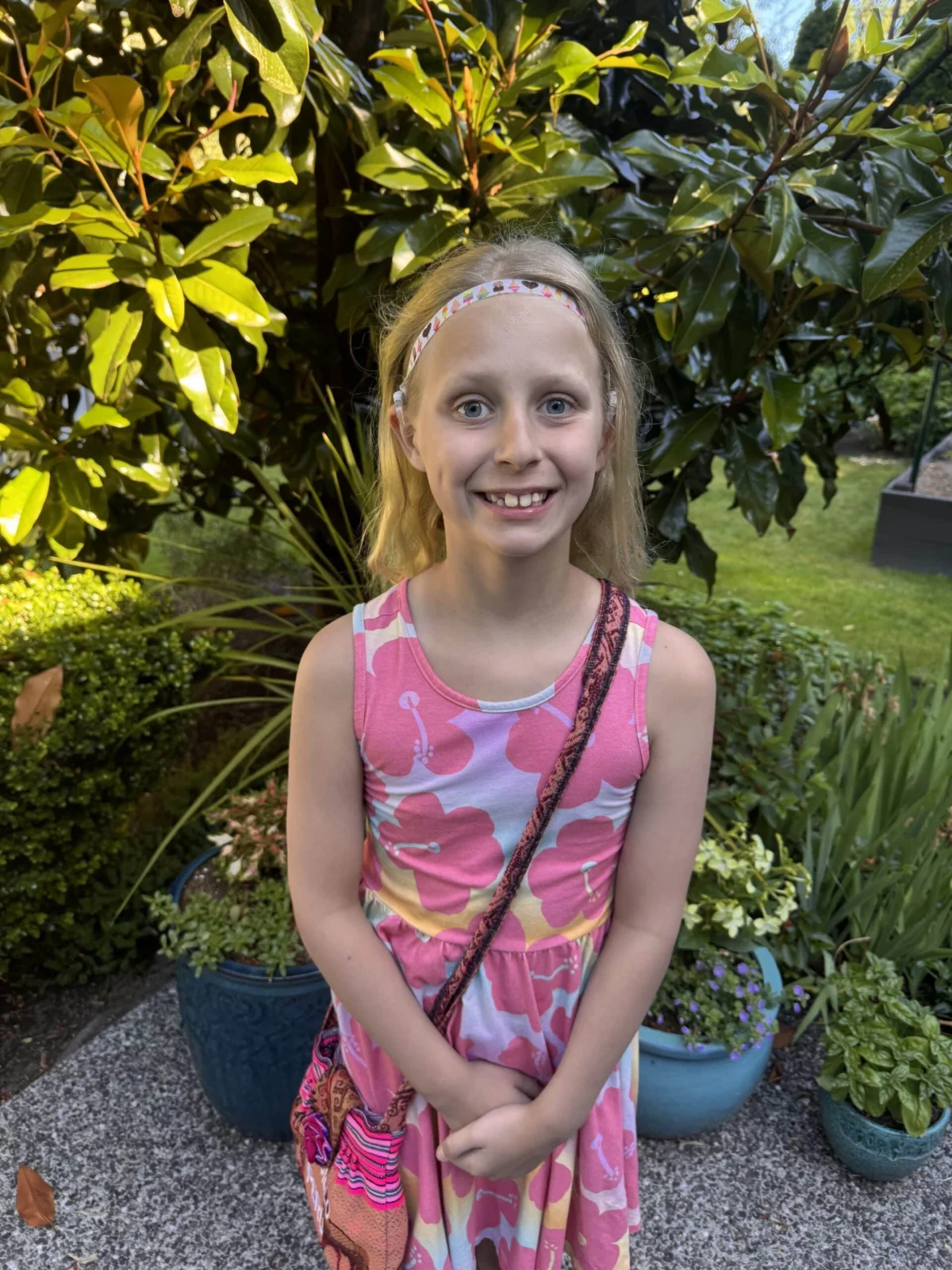
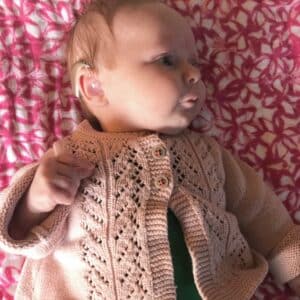
Marna Klein’s experience serves as a case study for the efficacy of the "Birth-to-Three" intervention model. The timeline of her development highlights the critical nature of early diagnosis and rapid clinical response. Diagnosed with hearing loss in early infancy, Marna was fitted with her first set of hearing aids at just two months old. This initial step provided the necessary auditory access to stimulate neural pathways during the most plastic period of brain development.
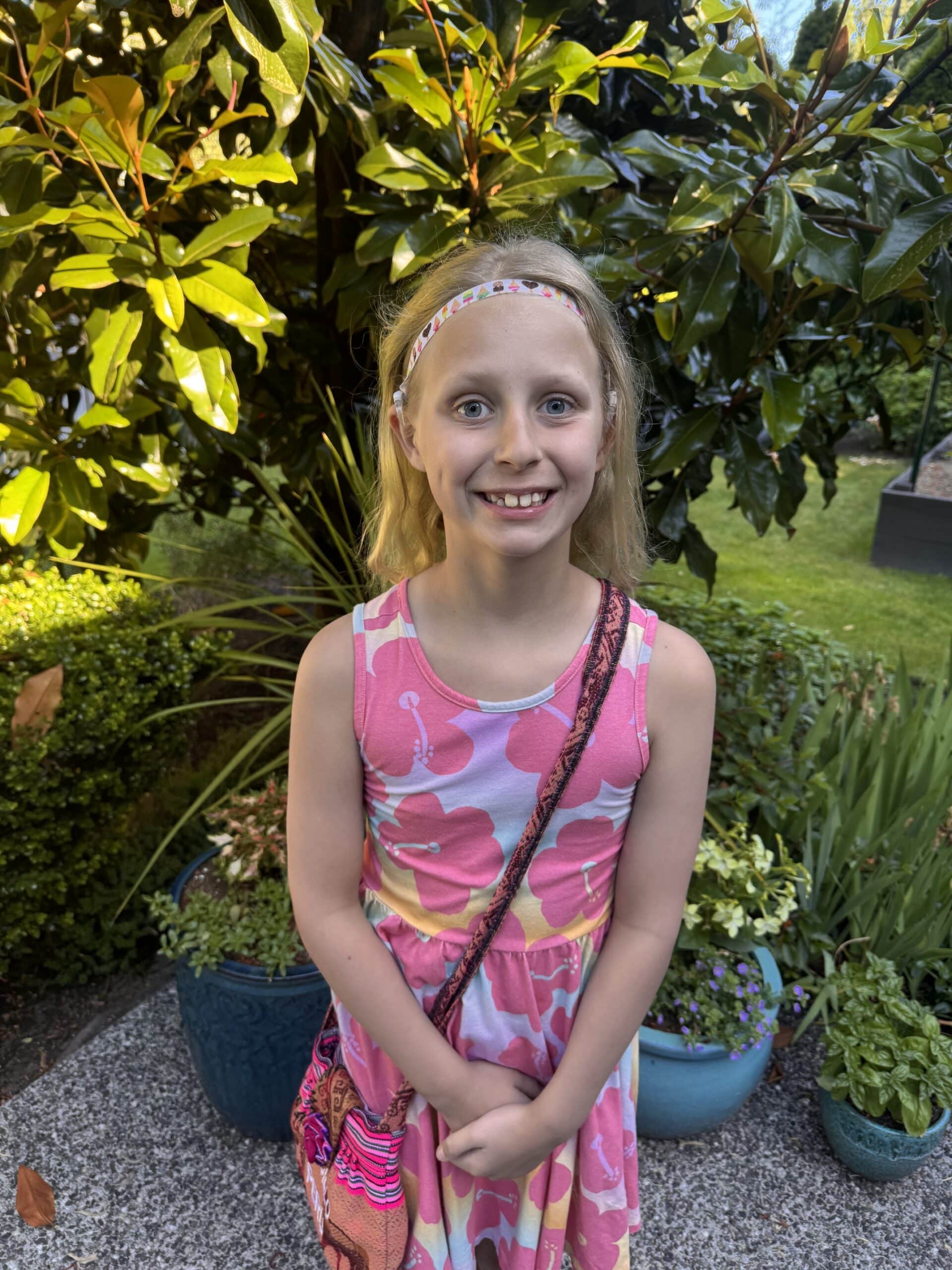
Following this, her clinical care transitioned toward more advanced assistive technology. At twelve months, she received her first cochlear implant, followed by a second implant at age two. The integration of these devices provided bilateral auditory input, which is essential for sound localization and speech comprehension in complex acoustic environments. Concurrent with these medical milestones, her family engaged with the Listen and Talk Birth-to-Three program. Through home-based interventions, her parents were trained in specific LSL techniques—methods that prioritize the development of spoken language through natural auditory stimulation rather than reliance on visual sign systems.
From age three to five, Marna transitioned into the Listen and Talk Blended Classroom. This environment is distinct from traditional preschool settings, as it is specifically engineered to integrate children with hearing loss with their hearing peers under the guidance of educators trained in auditory-verbal therapy. This period is widely regarded by pediatric audiologists and educators as the "golden window" for language acquisition and the refinement of social-emotional skills.
Supporting Data: The Impact of LSL and Early Intervention
The success of programs like Listen and Talk is supported by a growing body of longitudinal research. According to data from the American Cochlear Implant Alliance, children who receive cochlear implants before the age of 18 months—and who are subsequently placed in intensive oral-based educational settings—frequently achieve speech and language scores that fall within the average range of their hearing peers by the time they reach school age.
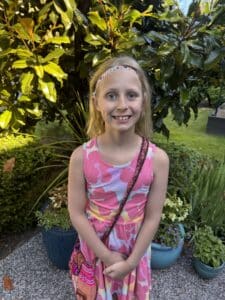
The benefits extend beyond mere verbal communication. Studies published in the Journal of Deaf Studies and Deaf Education indicate that students who engage in early, consistent LSL support show higher levels of self-efficacy and better executive function. These cognitive advantages are often attributed to the "effortful listening" practice that children with implants undergo, which can lead to enhanced neural connectivity in the auditory cortex. Furthermore, the psychosocial impact is significant; children who are equipped with the ability to self-advocate and who participate in diverse extracurricular activities—such as the lacrosse, soccer, and swimming programs in which Marna participates—demonstrate higher levels of social integration and self-esteem.
The Role of Specialized Educational Environments
The "Blended Classroom" model addresses a unique challenge in the education of children with hearing loss: the need for both specialized instruction and mainstream social exposure. By embedding these students in a classroom where teachers are fluent in the nuances of auditory-verbal therapy, the program ensures that every interaction is an opportunity for language development.
For families, these environments provide a critical support network. The transition from diagnosis to daily life is often fraught with uncertainty; however, peer-to-peer mentorship among parents within these programs has been shown to reduce parental stress levels significantly. By witnessing the success of older students, parents are better able to set long-term goals for their own children, moving from a focus on the clinical disability to a focus on the child’s individual potential.
Official Perspectives on Long-term Outcomes
The administration and faculty at institutions like Listen and Talk view their role as foundational. Their overarching philosophy, summarized by the mantra that "no child is limited by hearing loss," reflects a movement toward normalizing the educational experience for children with sensory impairments.
"The goal is not simply to provide access to sound, but to provide the cognitive and emotional tools necessary for the child to navigate the world with complete independence," notes a spokesperson for the organization. "When a child learns to advocate for their needs—whether that is asking for a change in seating or explaining their equipment to a teammate—they are transitioning from a passive recipient of care to an active participant in their own success."
This transition is clearly evident in Marna’s life. Her interests, which range from competitive sports to reading, are indicative of a child who does not perceive her hearing loss as a barrier to participation. Her ability to balance the physical demands of lacrosse and softball with the intellectual engagement of literacy suggests that the early investment in LSL and specialized preschool education has yielded a high return in terms of social and academic adaptability.

Broader Implications for Public Policy
The success of the alumni highlighted in current fundraising campaigns, such as the Alumni Family Giving Campaign, underscores the need for broader access to early intervention services. As healthcare policy continues to evolve, the focus is increasingly shifting toward universal newborn hearing screenings and the expansion of insurance coverage for both hearing devices and the rehabilitative services that make those devices effective.
The economic implications are also substantial. Research suggests that the cost of early intervention is far outweighed by the long-term economic benefits of supporting individuals who go on to achieve full participation in the workforce and society. By providing the groundwork for children like Marna to reach their full potential, organizations and families reduce the long-term societal costs associated with unemployment and specialized educational support in later years.
Conclusion: A Foundation for the Future
As Marna Klein enters the later years of her primary education, her story remains a testament to the power of a multidisciplinary approach to hearing loss. The combination of early medical intervention, targeted auditory-verbal training, and an inclusive educational setting has enabled her to lead a life characterized by active engagement rather than limitation.
For many other families navigating a similar path, the takeaway is clear: the architecture of a child’s future is built in the earliest years of their life. Through sustained support and the continued commitment of alumni, families, and educational organizations, the standard of care for children with hearing loss continues to rise. The ongoing Alumni Family Giving Campaign, which seeks to secure the funding necessary to provide these life-changing services to a new generation, stands as a critical pillar in this effort. By ensuring that these programs remain accessible, the community is not only supporting individual children but is also affirming a commitment to a society where hearing loss does not dictate the boundaries of a child’s ambition or capability. The future for children in this cohort appears increasingly bright, as they continue to demonstrate that with the right support, they can indeed live their lives at full volume.