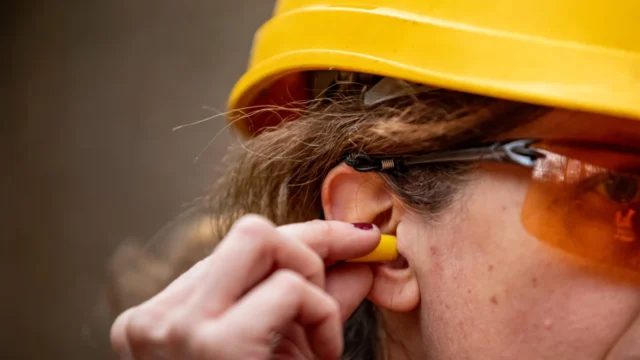

The landscape of hearing restoration has evolved dramatically, moving from simple amplification to complex neuro-sensory stimulation. Hearing aids, while effective for many with mild to moderate hearing loss, function by magnifying ambient sounds that then travel through the ear canal to the cochlea. This process relies on the integrity of the entire auditory pathway. However, when damage or dysfunction occurs within the ear canal, middle ear, cochlea, or even the auditory nerve, this conventional pathway is compromised, rendering hearing aids insufficient. It is in these scenarios that hearing implants emerge as critical interventions. Unlike hearing aids, implants are engineered to bypass or directly stimulate specific parts of the auditory system, offering a pathway to sound perception when the natural hearing mechanisms are impaired.

The distinction between hearing aids and hearing implants is fundamental. Hearing aids are external devices that amplify sound waves, sending them through the ear canal. They are akin to a more powerful magnifying glass for sound. Hearing implants, conversely, are medical devices that involve a surgically placed internal component and, in most cases, an external audio processor. They do not merely amplify sound; they convert sound into different forms of energy – electrical signals, vibrations, or mechanical stimulation – to directly engage with the auditory nerve or brainstem. This fundamental difference makes them suitable for types of hearing loss where hearing aids offer little to no benefit.
Understanding the Spectrum of Hearing Loss and Implant Solutions
The efficacy of any hearing solution is intrinsically linked to the type and severity of hearing loss. Audiologists and otolaryngologists meticulously assess these factors to recommend the most appropriate intervention.
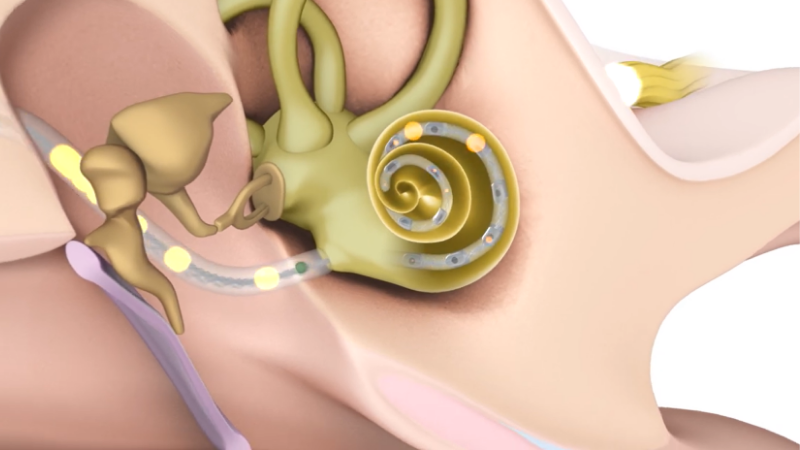
Cochlear Implants (CIs): For individuals experiencing severe-to-profound sensorineural hearing loss, where the hair cells in the cochlea are damaged or absent, cochlear implants offer a transformative solution. These devices bypass the damaged hair cells, converting external sound into electrical signals that are then delivered directly to the auditory nerve via an electrode array surgically placed within the cochlea. The brain interprets these electrical signals as sound. A cochlear implant system typically comprises an internal component, surgically placed under the skin behind the ear, and an external audio processor worn outside the ear. The journey with a cochlear implant involves a comprehensive process: initial evaluation to confirm candidacy, surgical implantation, a period of healing, followed by "activation" of the external processor. Post-activation, regular programming sessions, often referred to as fitting, are crucial for optimizing sound quality and speech understanding. Auditory rehabilitation, a vital component, helps users learn to interpret the new sound signals. MED-EL, a leading innovator in hearing implant technology, emphasizes a philosophy of "closest to natural hearing," aiming to replicate the natural pitch representation of sound through advanced electrode designs and individualized fitting strategies.

Bone Conduction Implants: These implants are designed for individuals with conductive or mixed hearing loss, or those experiencing single-sided deafness. Unlike cochlear implants that stimulate the inner ear directly, bone conduction implants transmit sound through vibrations in the skull bones, bypassing issues in the outer or middle ear. This allows sound to reach the inner ear, where it can be processed. For those with conductive hearing loss, the problem lies in the transmission of sound through the outer or middle ear. Mixed hearing loss involves a combination of conductive and sensorineural issues. Single-sided deafness (SSD) refers to profound hearing loss in one ear, which can significantly impact sound localization and the ability to hear in noisy environments. While bone conduction hearing aids offer a non-surgical option for some, bone conduction implants provide a more permanent, integrated solution for selected candidates. It is critical to understand that bone conduction implants and cochlear implants serve distinct purposes and are not interchangeable.
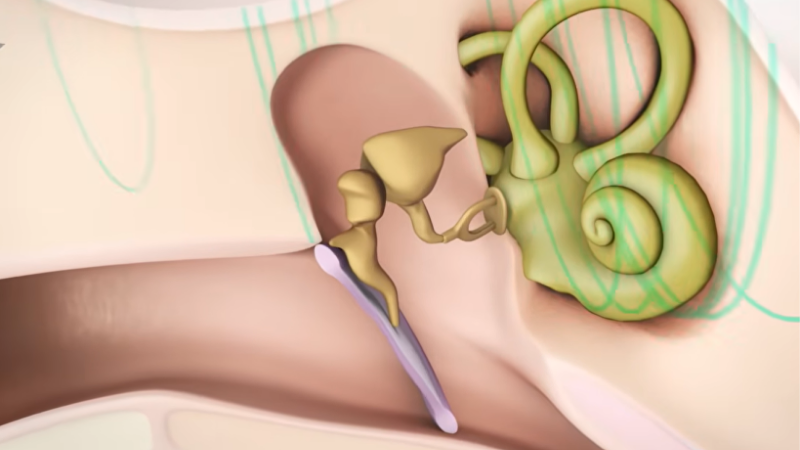
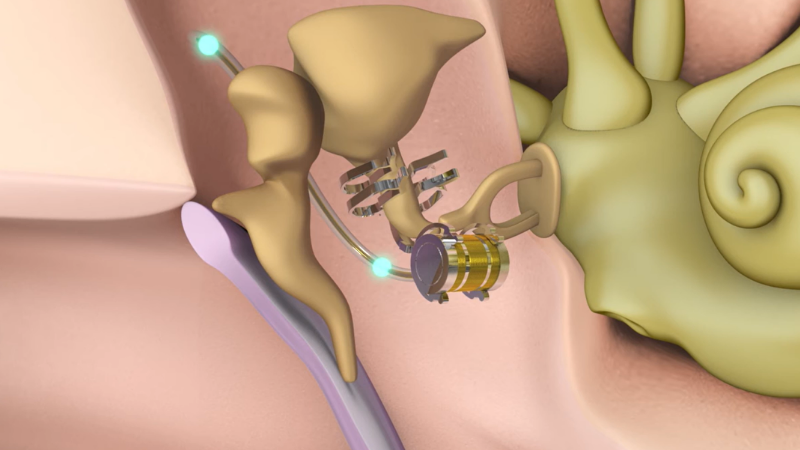
Middle Ear Implants: These devices are designed to mechanically stimulate the structures of the middle ear. They are considered for a range of hearing losses, including conductive, mixed, and certain types of sensorineural hearing loss (mild-to-severe). Middle ear implants are particularly beneficial for individuals who cannot wear conventional hearing aids comfortably or do not achieve adequate benefit from them. These systems can be broadly categorized into active and passive types, each with its own mechanism of action. The choice between these and other implant types is highly individualized and determined by a thorough audiological and medical assessment.
Auditory Brainstem Implants (ABIs): ABI is a highly specialized and less common hearing implant technology reserved for very specific and rare clinical scenarios. Instead of stimulating the cochlea or auditory nerve, ABIs directly stimulate specific nuclei within the brainstem. This is typically considered when the auditory nerve is absent, severely damaged, or cannot be utilized, such as in cases of neurofibromatosis type 2 (NF2), certain congenital malformations of the auditory nerve or inner ear, or following surgical removal of brain tumors that affect the auditory pathway. The decision to proceed with an ABI is made only after extensive multidisciplinary evaluation due to its complexity and specialized nature.
Navigating Candidacy and the Evaluation Process
Determining candidacy for a hearing implant is a multifaceted process that goes beyond simple audiometric thresholds. It involves a comprehensive evaluation by a team of hearing healthcare professionals, typically including audiologists and otolaryngologists (ENT specialists).
Key factors influencing candidacy include:
- Type and Degree of Hearing Loss: The specific nature and severity of the hearing impairment are paramount.
- Benefit from Hearing Aids: A critical determinant is the extent to which conventional hearing aids have failed to provide adequate auditory access. This is often quantified through speech recognition tests with and without amplification.
- Auditory Nerve and Cochlear Health: For cochlear implants, the integrity of the auditory nerve and the cochlea’s structure are assessed through imaging techniques like MRI and CT scans.
- Communication Goals and Lifestyle: An individual’s desire to improve communication, participate in social activities, and their overall quality of life are considered.
- Age and Health Status: While implants are increasingly being used in very young children and older adults, overall health and the ability to undergo surgery are important considerations.
- Motivation and Commitment: Successful outcomes with hearing implants are strongly correlated with the willingness to engage in post-operative rehabilitation and follow-up care.
The evaluation process typically involves:
- Comprehensive Audiological Assessments: This includes pure-tone audiometry, speech audiometry in quiet and noisy environments, and immittance testing.
- Medical Examination: An ENT specialist will conduct a thorough ear examination and review the patient’s medical history.
- Imaging Studies: MRI and CT scans of the temporal bone are often required to visualize the cochlea, auditory nerve, and other relevant structures.
- Speech and Language Evaluation: For children, this assessment is crucial for understanding their developmental needs and potential benefits.
The Surgical Journey and Post-Implantation Care
The surgical procedure for hearing implant placement varies depending on the type of implant. In general, the process involves:
- Pre-operative Preparation: This includes medical clearance, anesthesia assessment, and discussions with the surgical team.
- Surgical Implantation: The internal component of the implant is surgically placed. For cochlear implants, this involves carefully inserting an electrode array into the cochlea. Bone conduction implants are positioned to facilitate vibration transmission through the skull. Middle ear implants are integrated with the middle ear structures.
- Recovery: Post-surgery, patients typically experience a period of healing. Pain management and wound care are important aspects of the recovery phase.
- Activation and Fitting: After a period of healing (usually a few weeks for cochlear implants), the external audio processor is activated. This is followed by a series of programming sessions (fitting) where the device’s settings are adjusted to optimize sound perception and speech understanding. This is an ongoing process, requiring periodic adjustments as the brain adapts to the new auditory input.
- Auditory Rehabilitation: This is a critical and often lifelong component of the hearing implant journey. Rehabilitation programs, tailored to the individual, help users develop listening skills, improve speech comprehension, and maximize their functional hearing. This can involve working with audiologists, speech-language pathologists, and participating in support groups.
Benefits and Expectations
The benefits of hearing implants can be profound, significantly improving an individual’s ability to communicate, engage with their environment, and enhance their overall quality of life. These benefits may include:
- Improved Speech Understanding: Enhanced ability to comprehend spoken language, even in challenging listening situations.
- Enhanced Sound Awareness: Greater perception of environmental sounds, such as alarms, doorbells, and music.
- Better Communication: Facilitating more fluid and meaningful interactions with family, friends, and colleagues.
- Increased Social Participation: Enabling individuals to engage more fully in social activities, reducing isolation.
- Improved Quality of Life: Greater independence, confidence, and overall well-being.
It is crucial to manage expectations realistically. Hearing implants do not restore normal hearing; rather, they provide access to sound and facilitate communication by stimulating the auditory system in a different way. The degree of benefit can vary widely among individuals, influenced by factors such as the duration and severity of hearing loss prior to implantation, the health of the auditory nerve, the quality of rehabilitation, and the individual’s commitment to the process.
Technological Advancements and Future Directions
The field of hearing implant technology is continuously evolving, driven by a commitment to providing even more natural and effective hearing solutions. Innovations in areas such as:
- Longer Electrode Arrays and Advanced Signal Processing: These aim to preserve the tonotopic organization of the cochlea, leading to better pitch perception and sound quality.
- Directional Microphones and Noise Reduction Algorithms: These technologies help to isolate speech signals from background noise, improving clarity in noisy environments.
- Bilateral and Simultaneous Implantation: For individuals with hearing loss in both ears, bilateral implantation (one implant in each ear) or simultaneous implantation can offer significant advantages in sound localization and speech understanding in noise.
- MRI Compatibility: Modern implants are increasingly designed to be compatible with Magnetic Resonance Imaging (MRI) procedures, a crucial consideration for individuals requiring regular scans.
Conclusion: A Pathway to Enhanced Auditory Experience
Hearing implants represent a remarkable testament to medical and technological progress, offering renewed hope and significant improvements in auditory function for millions worldwide. The decision to pursue a hearing implant is a personal one, requiring careful consideration, thorough evaluation, and active participation in the treatment process. By understanding the different types of implants, the candidacy criteria, and the comprehensive journey from evaluation to rehabilitation, individuals can make informed decisions that pave the way for a richer, more connected auditory experience. Consulting with qualified audiologists and ENT specialists remains the cornerstone of navigating this path, ensuring the selection of the most appropriate solution for each unique hearing journey.