
A Medical Milestone: The 1995 Cochlear Implant Initiative
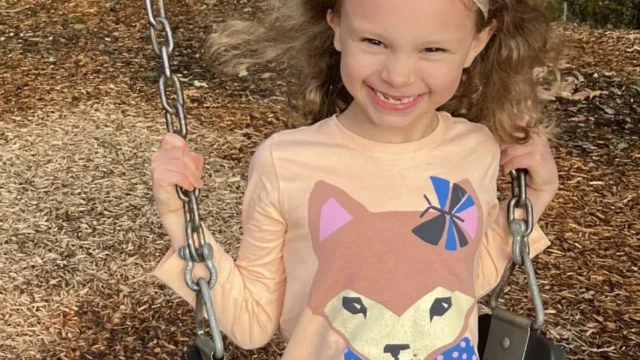
Jordan Buckingham’s medical journey began at the age of 22 months when she contracted pneumococcal meningitis, a severe bacterial infection that resulted in profound bilateral sensorineural hearing loss. At the time, the medical landscape for pediatric hearing loss was undergoing a radical shift. In 1995, Buckingham became the first pediatric patient at Seattle Children’s Hospital to receive a cochlear implant, a device designed to bypass damaged portions of the ear and directly stimulate the auditory nerve.
This procedure was a precursor to the modern era of cochlear implantation, which has since become the standard of care for many children with severe-to-profound hearing loss. Following her initial success with the first implant, she later received a second, providing her with binaural hearing. This technological intervention was not a standalone solution; it required years of intensive auditory habilitation. The success of her implantation was further optimized through ongoing collaborative care provided by the University of Washington Medical Center, highlighting the necessity of a multidisciplinary approach involving surgeons, audiologists, and speech-language pathologists.
Chronology of Educational Habilitation
In 1996, shortly after her medical diagnosis and initial intervention, Buckingham and her parents became early participants in the Listen and Talk program. As one of the organization’s inaugural pre-K students, she worked closely with the program’s founder, Star Leonard-Fleckman, to develop essential listening and spoken language (LSL) skills.
This period of early intervention was critical. Research in the field of audiology consistently demonstrates that the "critical period" for language acquisition occurs during the first few years of life. By receiving specialized support during this window, children with hearing loss are significantly more likely to achieve linguistic parity with their hearing peers. Buckingham’s progression through the program established a foundation of confidence and communication mastery that carried her through the K-12 education system, culminating in her graduation from Charles Wright Academy.

Her academic success continued into higher education at Stetson University, where she earned a Bachelor’s degree in Family Business with a minor in Management in 2014. Her educational path is frequently cited by advocates as evidence that with early, consistent, and high-quality intervention, students with hearing loss can successfully navigate mainstream academic environments and excel in professional fields.
The Role of Listening and Spoken Language (LSL)
The methodology employed by Listen and Talk centers on the LSL approach, which emphasizes the use of hearing technology to gain access to sound, followed by the development of spoken language through daily life experiences. The success of this model is predicated on parent-professional partnerships, where caregivers are trained to integrate language-learning strategies into the child’s natural environment.
For families navigating a new diagnosis, the sheer volume of information can be overwhelming. Organizations like Listen and Talk serve as both a clinical resource and a community hub. By providing parent education classes and consistent audiological support, the program aims to bridge the gap between medical intervention and functional integration into society. Data indicates that early intervention programs not only improve individual outcomes but also reduce the long-term societal costs associated with communication disabilities by fostering independence and workforce participation.
Professional Integration and Personal Advocacy
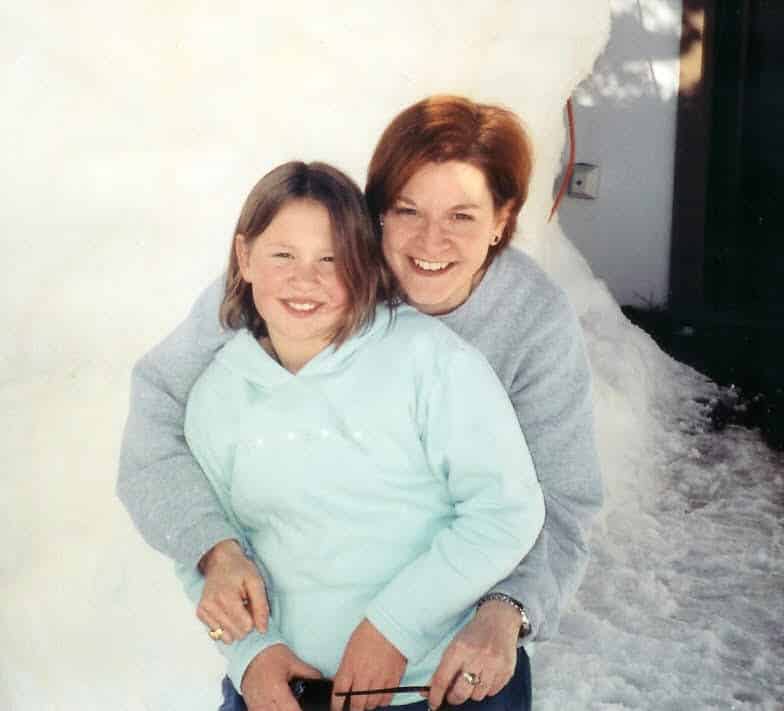
Today, Buckingham’s life in Middleton, Idaho, as an assistant horse trainer, stands as a testament to her personal perseverance and the support system she has cultivated over three decades. Her career, which involves the complex tasks of training horses and providing riding instruction, requires high levels of situational awareness and clear communication. Her ability to navigate these professional requirements demonstrates the long-term efficacy of her childhood habilitation.
Buckingham has become a vocal advocate for families currently beginning their own hearing journeys. Her message remains consistent: the path requires patience, substantial effort, and the cultivation of a robust support system. She emphasizes that while the technology—the cochlear implant—provides the mechanism for hearing, the human element—the dedication of parents and the resources of support organizations—provides the mechanism for thriving.
Broader Implications for Early Intervention Policy
The success of individuals like Buckingham provides critical data for healthcare policy makers. The economic and social implications of early intervention are significant. According to the National Institute on Deafness and Other Communication Disorders (NIDCD), early identification and intervention programs can lead to significant improvements in long-term academic and social outcomes for children with hearing loss.
The "Listen and Talk" model is part of a larger, global movement to normalize the inclusion of children with hearing loss in mainstream settings. By focusing on spoken language and auditory development, these programs aim to ensure that a hearing impairment does not preclude a child from pursuing higher education or fulfilling career paths. The continued success of the organization relies on sustainable funding models, which often include charitable contributions and community involvement.
The Alumni Family Giving Campaign: Ensuring Future Success
In an effort to sustain these services for the next generation, Listen and Talk has launched its 2025 Alumni Family Giving Campaign. The campaign seeks to leverage the successes of former students to provide funding for early intervention, audiology services, and parent education.
The campaign underscores the importance of a "pay-it-forward" model within the deaf and hard-of-hearing community. As many former students reach adulthood and establish their own careers, their contributions help cover the high costs associated with specialized audiological equipment and speech therapy for new, incoming families. For the organization, these donations are not merely financial transactions; they are symbolic of the community’s commitment to its founding vision: a world where no child is limited by hearing loss.
Analysis of Long-Term Success Factors
Experts analyzing the trajectory of pediatric hearing loss outcomes often point to three primary variables in the success of the LSL model:
- Age of Intervention: Early diagnosis (often through newborn screening) followed by rapid intervention is the single most significant predictor of success.
- Parental Engagement: The role of the family in fostering a language-rich environment is paramount. Programs like Listen and Talk succeed by empowering parents to become the primary agents of their child’s development.
- Consistency of Technology: The ongoing maintenance, mapping, and upgrading of cochlear implants and related devices require a long-term commitment from both the patient and their medical team.
Buckingham’s case satisfies all three criteria. Her story is a reminder that while medical technology has advanced significantly since 1995, the foundational human requirements for success—tenacity, community support, and early access to resources—remain unchanged.
As Listen and Talk looks toward the future, the organization continues to adapt its curriculum and resources to meet the needs of a new generation of families. With the support of alumni like Jordan Buckingham, the organization remains focused on its objective: to remove the barriers that historically limited the potential of children with hearing loss. By documenting and sharing these stories, the organization provides a roadmap for others, proving that the dream of a "limitless" future is not just an aspiration, but an achievable reality for many.