Understanding the Clinical and Social Context of Angelman Syndrome
Angelman syndrome (AS) is a rare neurogenetic disorder characterized by severe developmental delay, speech impairment, intellectual disability, and movement or balance disorders. Clinically, it is caused by a loss of function of the UBE3A gene in the 15th chromosome. While the physiological profile of the syndrome is well-documented—often involving ataxia, frequent laughter, and a distinct, excitable demeanor—the social and communicative profile is equally significant.
Despite profound speech impairments, individuals with AS exhibit a robust capacity for social engagement. Professionals and families emphasize that the lack of spoken language is not indicative of a lack of cognitive intent. The "Angelman personality"—marked by an intense desire for social connection, curiosity, and warmth—demands an environment that provides the means to express these complex internal states. Without access to robust AAC, these individuals risk isolation; with access, they demonstrate an ability to participate in community, education, and family decision-making.
The Evolution of AAC: From Clinical Tool to Human Right
In the landscape of modern disability advocacy, AAC has transitioned from being viewed merely as a clinical rehabilitation tool to being recognized as an essential human right. AAC encompasses a wide range of strategies, from low-tech options like picture communication boards and PODD (Pragmatic Organisation Dynamic Display) books to high-tech speech-generating devices (SGDs) and eye-tracking technology.
The efficacy of these tools is highly dependent on the "communication partner." Data from longitudinal studies in developmental linguistics suggest that individuals with AS thrive when their environment utilizes "aided language stimulation"—a process where caregivers model the use of AAC symbols while interacting with the individual. This practice reduces the pressure on the individual to "perform" communication and instead creates a natural, immersive linguistic environment. The paradigm shift currently underway involves moving away from testing an individual’s ability to use a device and toward evaluating the adequacy of the environment’s support systems.
Chronology of Advocacy and Global Awareness Efforts
The movement to recognize Angelman Syndrome has seen significant milestones over the last decade. While the syndrome was first described by British pediatrician Harry Angelman in 1965, the formalization of global awareness months and international congresses is a more recent development.
- 1965: Dr. Harry Angelman publishes "Puppet Children," the first formal report on the syndrome, following his observations of three children with similar clinical features.
- 2013: The inaugural International Angelman Day is launched, creating a coordinated global effort to unify families and researchers.
- 2023–2025: A surge in digital accessibility and the refinement of eye-gaze technology allows for greater integration of AAC in schools across Latin America and Europe.
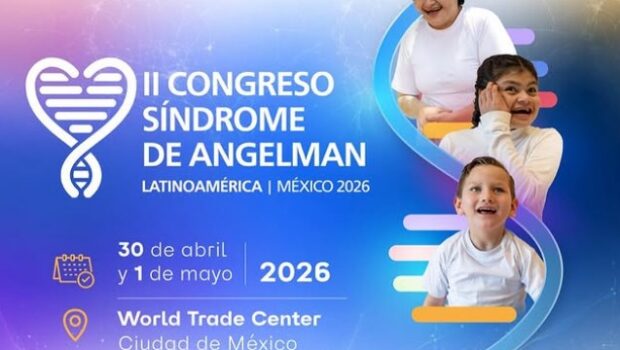
- April 30 – May 1, 2026: The II Latin American Angelman Syndrome Congress is scheduled to take place in Mexico City, representing a critical juncture in the regional professionalization of support services.
Supporting Data and the Impact of Early Intervention
Statistical analysis of developmental outcomes consistently shows a positive correlation between early, intensive intervention and quality of life for individuals with AS. According to the Angelman Syndrome Foundation, early access to multidisciplinary therapy—including speech-language pathology, occupational therapy, and physical therapy—can significantly mitigate the impact of motor delays and social frustration.

A critical fact-based analysis of current clinical practices reveals a "resource gap." While high-income nations have made strides in integrating AAC into public education, Latin American and developing regions often face barriers related to the cost of technology and the scarcity of specialized training for speech-language pathologists. The upcoming congress in Mexico City is specifically designed to address these systemic gaps by fostering cross-border professional collaboration. By standardizing training protocols and sharing open-source AAC resources, the global community hopes to democratize access to these life-altering tools.
Official Perspectives and Community Responses
The sentiment among advocacy groups is unanimous: the goal for 2026 is the institutionalization of communication support. Experts in the field, including researchers like Claudia Marimón, who frequently highlights the intersection of AAC and Spanish-language resource development, note that language is not just a set of words, but a vehicle for agency.
"We are moving past the era where we ask if an individual can communicate," notes a spokesperson for a regional advocacy collective. "We are now asking what barriers we, as a society, have placed in the way of that communication."
Families, who serve as the primary facilitators of AAC at home, are increasingly calling for government-sponsored programs that provide sustained, long-term funding for devices. The financial burden of maintaining high-tech AAC equipment, combined with the need for ongoing professional coaching, remains a significant hurdle. However, the movement toward the 2026 Congress signals a growing political will to treat AAC as a standard medical necessity rather than an elective intervention.
Broader Implications: Toward an Inclusive Future
The implications of prioritizing communication access for those with Angelman syndrome extend beyond the individual. When society builds environments that are "communication-accessible," it sets a precedent for how we support all individuals with complex communication needs.
The 2026 Latin American Congress is expected to serve as a catalyst for three primary outcomes:
- Standardization of Care: Developing a unified framework for AAC implementation across Latin American health and education systems.
- Resource Localization: Expanding the availability of Spanish-language symbols and culturally relevant communication materials.
- Networking: Bridging the gap between isolated family units and large-scale research initiatives, ensuring that clinical trials and therapeutic breakthroughs are disseminated effectively.
As the community looks toward the upcoming events in Mexico City, the message remains clear: the right to communicate is the foundation upon which all other rights are built. The progress being made this February is not merely a symbolic gesture of awareness, but a concrete step toward a future where every individual, regardless of their neuro-genetic profile, has the tools to express their identity, their needs, and their humanity.
For those interested in the ongoing efforts or seeking to register for the upcoming congress, the official portal at congresoangelman.com provides a central hub for researchers, families, and clinicians. As this awareness month progresses, the focus on technical, clinical, and humanistic support continues to evolve, promising a more inclusive and connected landscape for the global Angelman community. Through the combination of professional rigor and the persistent advocacy of families, the barrier between silence and expression is being bridged, one symbol at a time.