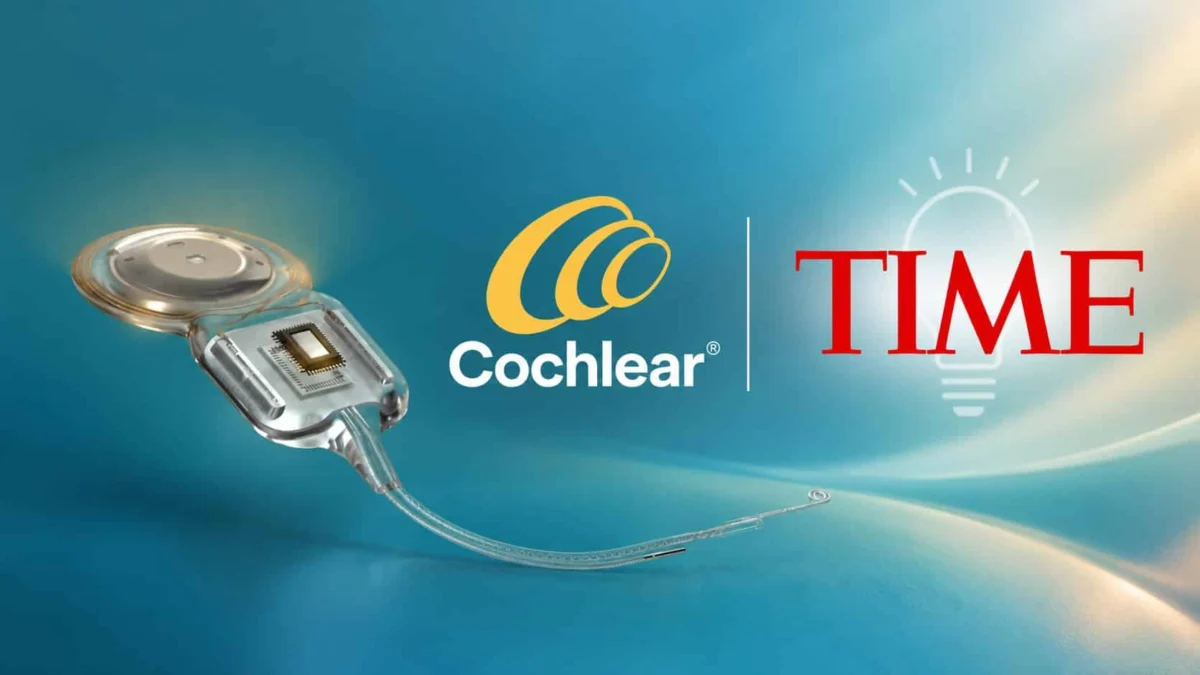
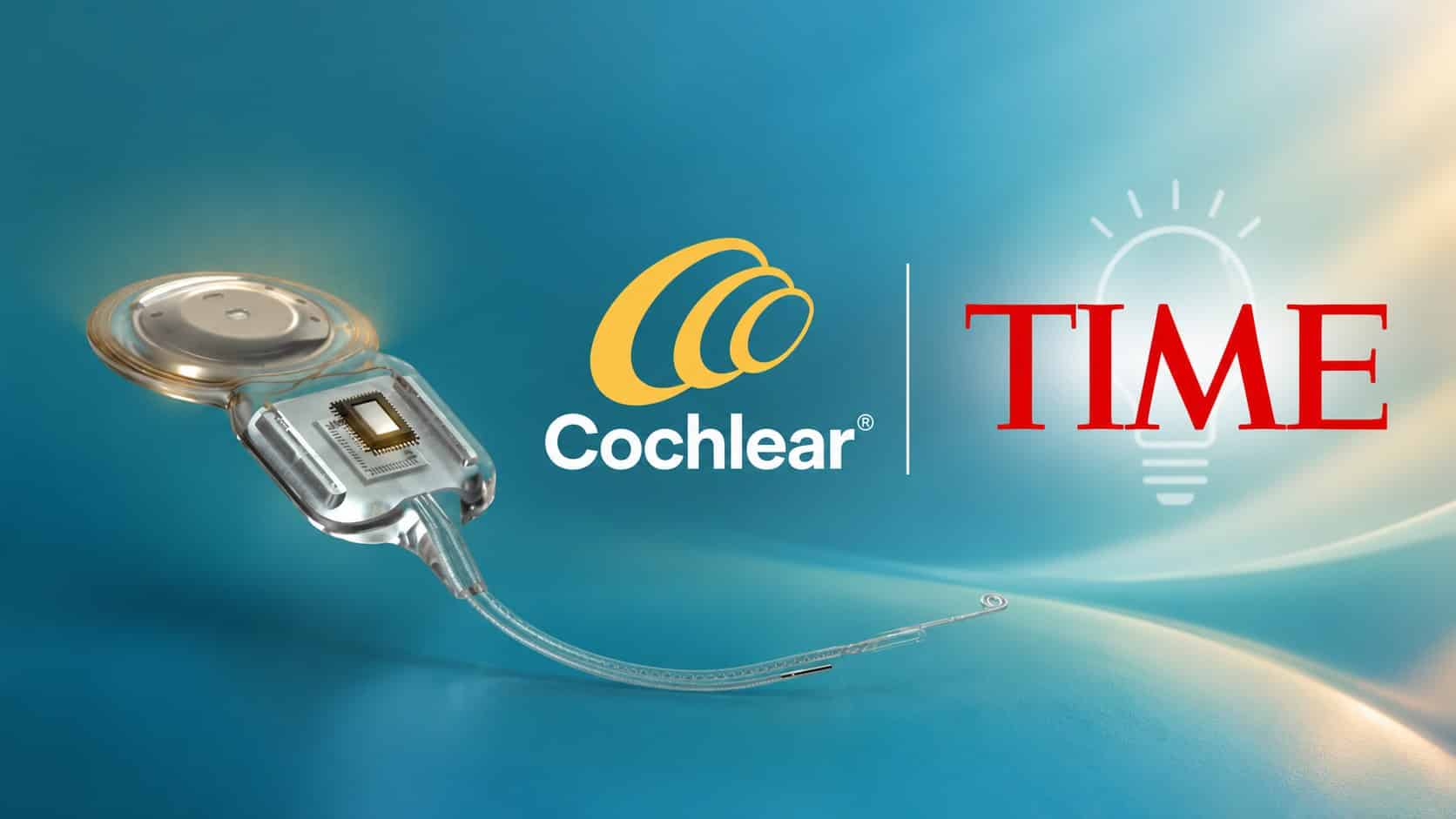
The recognition by TIME magazine, an arbiter of innovation across diverse sectors, underscores a pivotal shift in the medical device landscape. The Nucleus Nexa System, first introduced in 2025 and subsequently receiving U.S. Food and Drug Administration (FDA) approval in July of the same year, was engineered with a revolutionary implant architecture. This design fundamentally redefines the potential for long-term technological advancement, moving beyond the confines of external components to integrate upgradeability into the very core of the internal implant.
A Paradigm Shift in Cochlear Implant Technology
For decades, the evolution of cochlear implants has largely been driven by advancements in external sound processors. These processors, worn behind the ear or as off-the-ear devices, contain the sophisticated digital signal processing technology that converts sound into electrical signals, which are then transmitted to the internal implant. While external processor upgrades have consistently delivered enhanced sound quality, improved connectivity, and new features, the internal implant has traditionally remained a static component after surgical placement. Any significant technological leap requiring changes to the internal hardware or core functionality often necessitated revision surgery, a prospect that carries inherent risks, costs, and recovery periods for recipients.
The Nucleus Nexa System shatters this conventional paradigm by embedding upgradeable firmware directly into the internal implant. This innovative approach allows for compatible future features, performance enhancements, and even entirely new functionalities to be delivered through software updates, potentially eliminating the need for further surgery to access the latest technology. This "future-proof" design is particularly impactful for cochlear implant recipients, many of whom rely on these devices for decades, spanning a lifetime of technological evolution.
The Significance of TIME’s Recognition
Inclusion in TIME’s annual Best Inventions collection is a testament to the profound impact and innovative spirit of the Nucleus Nexa System. This esteemed list spotlights products and technologies that are transforming industries and improving lives, with medical and healthcare innovation consistently featured. TIME’s emphasis on the system’s capacity to evolve post-implantation resonates deeply with the long-term needs of patients, particularly children and young adults who will live with their implants for the majority of their lives.
Dig Howitt, CEO and President of Cochlear, articulated the company’s vision, stating, "With the Nucleus Nexa System, we set out to create a cochlear implant platform designed not just for the technology of today, but for the possibilities of tomorrow. By bringing smart, upgradeable technology into the implant itself, the Nexa System opens up new possibilities for how cochlear implant technology can evolve over time. We’re incredibly proud to see that innovation recognized by TIME as one of the Best Inventions of 2026, and even more excited about what it can mean for recipients in the years ahead." This statement encapsulates the forward-thinking philosophy that guided the development of Nexa, aiming to provide enduring value and adaptability for recipients.
The Genesis of Nexa: A Chronology of Innovation
The journey to the Nucleus Nexa System’s recognition by TIME in 2026 began much earlier. Cochlear Limited, founded in 1981, has been at the forefront of implantable hearing solutions, having helped over 800,000 people across more than 180 countries. Their commitment to continuous innovation laid the groundwork for Nexa.
- Early 2000s – Mid 2010s: Focus on miniaturization, improved sound processing algorithms, and enhanced external processor features (e.g., connectivity, water resistance).
- Late 2010s: Conceptualization and preliminary research into integrating upgradeable capabilities within the internal implant, recognizing the limitations of external-only upgrades for long-term patient benefit.
- 2020-2024: Intensive development phase for the Nexa platform, involving redesigning the internal chipset, integrating internal memory, and developing advanced power management technologies. This period also involved rigorous testing and validation.
- 2025: Cochlear officially unveils the Nucleus Nexa System, showcasing its new implant architecture.
- July 2025: The Nucleus Nexa System receives U.S. Food and Drug Administration (FDA) approval, clearing the path for its commercial availability. This approval marked a critical regulatory milestone, affirming the device’s safety and efficacy.
- August 2025: Brendan Murray, Cochlear’s Vice President of Cochlear Implant Product Portfolio, engages in detailed discussions, explaining how the redesigned implant could support future stimulation strategies, expanded diagnostic capabilities, and more convenient management of replacement processors. He also outlined the potential for firmware updates via clinical programming software, with app-based updates envisioned as a future capability.
- 2026: The Nucleus Nexa System is named one of TIME’s Best Inventions of 2026, solidifying its status as a transformative technology.
This timeline highlights Cochlear’s sustained effort to push the boundaries of medical technology, culminating in an innovation poised to impact millions worldwide suffering from severe-to-profound hearing loss. According to the World Health Organization, over 5% of the world’s population – or 430 million people – require rehabilitation for disabling hearing loss, a figure projected to rise. Cochlear implants play a crucial role for a significant portion of this demographic.
Under the Hood: The Nexa System’s Advanced Architecture
The core differentiator of the Nucleus Nexa System lies in its sophisticated internal architecture. As detailed following its FDA approval, the Nexa platform incorporates several key technological advancements:
- Redesigned Chipset: A new generation of microprocessors specifically engineered for greater processing power and efficiency, capable of supporting more complex algorithms and future functionalities.
- Internal Memory: Onboard memory within the implant itself, a critical component for storing upgradeable firmware and other vital data. This memory also securely stores a recipient’s individualized hearing settings, commonly known as MAPs.
- Dynamic Power Management: An intelligent system that adjusts power consumption based on the recipient’s specific needs and environmental demands. This optimizes battery life for compatible external processors and enhances overall system efficiency.
- Smart Sync Feature: Leveraging the internal memory, Smart Sync enables the secure transfer of a recipient’s personalized MAP settings to a compatible replacement sound processor. This streamlines the process if an external device is lost or damaged, potentially minimizing downtime and the need for immediate clinical reprogramming.
- Compatibility: The Nexa System is designed for seamless integration with Cochlear’s latest external sound processors, including the Nucleus 8 Nexa and Kanso 3 Nexa Sound Processors, ensuring recipients have access to state-of-the-art external technology alongside the upgradeable internal implant.
These combined features establish an additional pathway for future improvements, moving beyond the traditional reliance on external processors. Potential future enhancements could include new processing capabilities, advanced diagnostic functions, and other features enabled by the implant’s robust architecture.
Transforming Patient Experiences and Clinical Practice
The implications of an upgradeable internal implant are far-reaching for both recipients and healthcare professionals.
For recipients, the most significant benefit is the potential for reduced need for revision surgery. Historically, to access certain fundamental technological advancements or address issues within the internal implant, a patient might undergo another surgical procedure. With Nexa, many future improvements could be delivered non-invasively, significantly reducing patient burden, surgical risks, and recovery times. This translates to enhanced peace of mind, especially for parents of children with implants, knowing their child’s device can evolve with them. The average lifespan of a cochlear implant recipient is decades, while the technological pace is years. Nexa bridges this gap.
Furthermore, the ability to continually access the latest technology without additional surgery ensures recipients can benefit from cutting-edge innovations throughout their lifetime. This is particularly salient for children, who will depend on their implants for many years. Their device can adapt to new speech processing strategies, improved noise reduction, or even future connectivity standards as they emerge.
For clinicians, the Nexa System offers opportunities to simplify device management and long-term follow-up. The internal memory and enhanced diagnostic capabilities provide more comprehensive data, potentially allowing for more precise adjustments and troubleshooting. Brendan Murray highlighted how firmware updates could be delivered through clinical programming software, streamlining workflows. While app-based updates are a potential future capability, even clinic-based updates represent a significant leap, offering more flexibility in managing patient care. The Smart Sync feature also promises to simplify the replacement process for external processors, reducing the logistical burden on both patients and clinics.
Broader Implications: Shaping the Future of Implantable Medical Devices
The Nucleus Nexa System’s recognition by TIME extends beyond the realm of audiology, placing it within a broader discussion about the future of implantable medical technologies. It sets a new benchmark for how such devices can be designed to adapt over time, rather than being limited to their initial capabilities.
This innovation challenges the traditional "implant and replace" model, moving towards an "implant and evolve" philosophy. This shift could inspire other sectors of implantable medical devices, such as pacemakers, neurostimulators, or glucose monitoring systems, to explore similar upgradeable architectures. The long-term economic implications are substantial, potentially reducing the overall healthcare costs associated with repeated surgeries and replacement hardware.
Moreover, Nexa’s design emphasizes the ethical imperative of future-proofing medical technology, particularly for devices critical to quality of life over extended periods. It demonstrates a commitment to maximizing the utility and longevity of implanted devices, aligning with principles of sustainable healthcare innovation. The FDA’s approval of such a system also signals a forward-thinking regulatory environment, willing to embrace technologies that offer long-term benefits while maintaining rigorous safety standards.
The Economic and Societal Impact
The societal impact of the Nucleus Nexa System is multifaceted. By reducing the need for revision surgeries, it lowers direct medical costs for individuals, insurance providers, and healthcare systems. The psychological burden on patients and their families, often associated with multiple surgical procedures, is also significantly alleviated.
More broadly, improved and continuously updated hearing technology enhances communication, educational outcomes, employment opportunities, and social engagement for recipients. For children, early and consistent access to optimal hearing technology is crucial for speech and language development, directly impacting their ability to thrive in academic and social environments. By ensuring that the core implant can evolve, Nexa helps guarantee that these foundational benefits are sustained and enhanced over a lifetime.
However, it is crucial to acknowledge that while the system offers upgradeability, future features will always depend on the development, compatibility, and availability of new technologies. The upgradeable design does not guarantee that every future innovation can be delivered through a firmware update, but it significantly expands the possibilities beyond what was previously conceivable.
Looking Ahead: The Road to Continuous Innovation
The recognition by TIME is not an endpoint but rather a powerful affirmation of Cochlear’s commitment to continuous innovation. The Nucleus Nexa System represents a new frontier, where the boundaries between internal and external components blur, and the patient’s journey with their implant becomes one of continuous improvement rather than static reliance. As technology advances at an ever-increasing pace, the ability of medical devices to adapt will become paramount. The Nexa System is a pioneering example of this future, promising a more dynamic, resilient, and patient-centric approach to implantable healthcare.
About Cochlear Limited
Cochlear Limited is a global developer of implantable hearing solutions headquartered in Australia, with Cochlear Americas based in Lone Tree, Colorado. Since 1981, the company reports helping more than 800,000 people in over 180 countries access hearing through its technologies. Cochlear employs more than 5,500 people worldwide and develops cochlear implants, bone conduction systems, and related hearing technologies, maintaining its position as a world leader in the field.
Source: Cochlear