

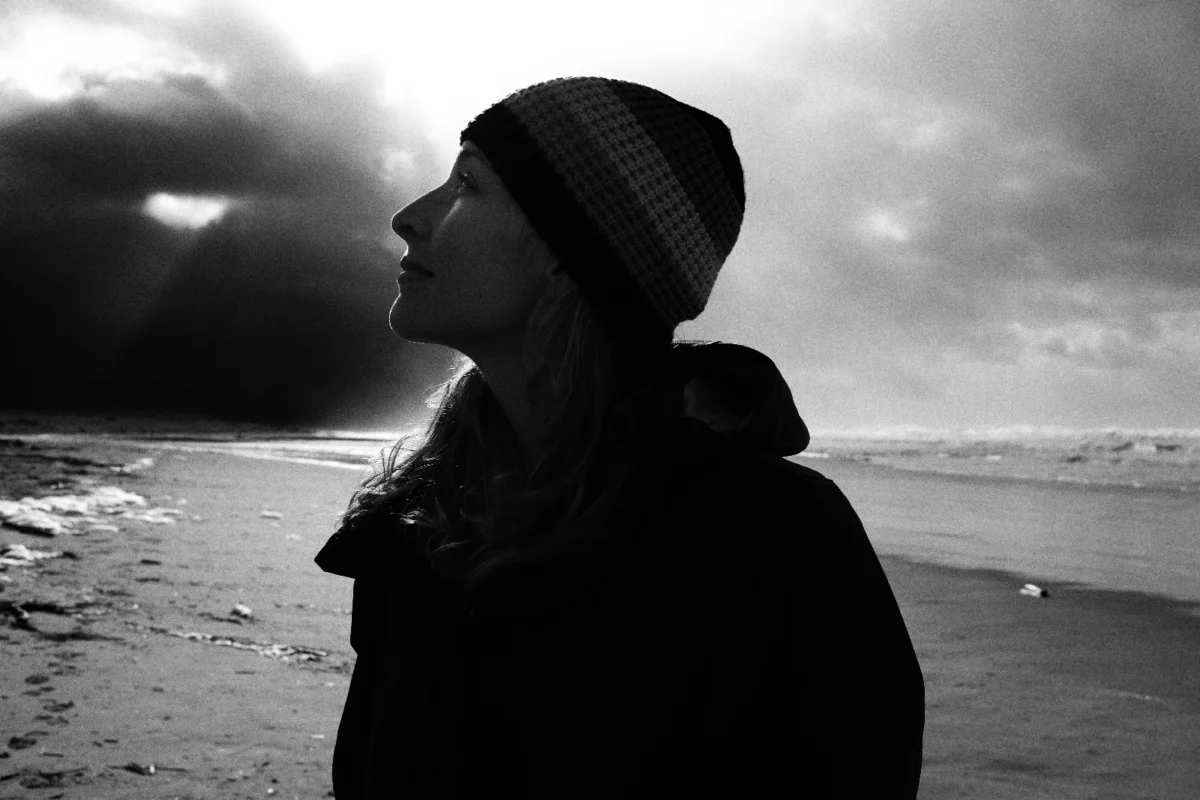
The Onset of Mal de Débarquement Syndrome
The genesis of Warner’s narrative lies in the onset of Mal de Débarquement Syndrome (MdDS), a rare and often misunderstood vestibular disorder. MdDS is characterized by a persistent sensation of rocking, swaying, or bobbing, typically following a period of travel, such as a cruise or flight. However, for many patients, the symptoms appear spontaneously. Unlike common vertigo, which involves a spinning sensation, MdDS creates a feeling of being "at sea" while on solid ground.
According to data from the Vestibular Disorders Association (VEDA), MdDS remains a challenging condition to diagnose, with patients often visiting multiple specialists before receiving an accurate assessment. Research indicates that the syndrome primarily affects women between the ages of 30 and 60, suggesting a potential hormonal or neurological predisposition that is still being studied. For Warner, the condition was not merely a physical ailment but a profound cognitive disruptor. The "jumbled synapses" and inability to think in complete sentences described in her early experience are consistent with the "brain fog" reported by a significant percentage of the vestibular patient population.
For the first three years of her illness, Warner’s life was defined by a search for "rescue" rather than reflection. This period of silence is common among those suffering from chronic vestibular issues, as the brain’s resources are entirely consumed by the effort to maintain balance and process visual information. In a professional journalistic context, Warner’s experience highlights the systemic gaps in vestibular healthcare, where the focus on "curing" often overlooks the patient’s need for psychological grounding during the "unresolved, disorienting in-between."
A Dual Crisis of Identity and Biology
The complexity of Warner’s journey was compounded by a simultaneous rupture in her personal history. Shortly after the onset of her dizziness, a DNA test revealed that the man who raised her was not her biological father. This phenomenon, known in genealogical circles as a Non-Paternal Event (NPE), has become increasingly common with the rise of consumer genetic testing services like AncestryDNA and 23andMe.
Sociological data suggests that as many as 2% to 5% of the population may discover through DNA testing that their biological parentage is not what they were told. For Warner, this discovery acted as a "second current," colliding with the physical instability of MdDS. The psychological impact of an NPE often involves a period of "identity shedding" and grief, as individuals must reconcile their lived history with their genetic reality. In Warner’s case, the shifting ground was both literal—due to her balance disorder—and metaphorical, due to the collapse of her family narrative.
The intersection of these two events—the loss of physical balance and the loss of genealogical certainty—forms the core of Warner’s memoir. It presents a unique case study in how individuals navigate "liminal spaces," where the old self has been discarded but the new self has yet to be fully formed.
The Therapeutic Role of Expressive Writing
By the third year of her illness, Warner turned to writing, not as a professional pursuit, but as a survival mechanism. This shift aligns with extensive psychological research into "Expressive Writing," a field pioneered by Dr. James Pennebaker. Studies have shown that translating traumatic or stressful experiences into language can improve immune function, reduce blood pressure, and enhance cognitive processing.
For a patient with a vestibular disorder, the act of writing is a significant physical challenge. Warner’s process involved sitting at a computer for brief intervals before being forced to lie on the floor to recover from the sensory overload. This "tethering" to the page served as a form of neurological rehabilitation. By forcing the brain to organize fragments of thought into coherent sentences, Warner was effectively rebuilding her cognitive focus.
The transition from "chasing cures" to "tracing the way back to the beginning" marks a pivotal moment in patient advocacy. It suggests that for chronic conditions where a definitive cure is elusive, the act of narrative construction can provide a form of "healing" that is independent of "fixing" the physical symptoms. Warner’s work emphasizes that wholeness is not necessarily synonymous with the absence of disease.
The Role of Telemedicine and Modern Diagnosis
A critical turning point in Warner’s chronology was her eventual diagnosis by Dr. Shin Beh, a prominent neurologist and vestibular specialist. This diagnosis was made possible through the rapid expansion of telemedicine during the COVID-19 pandemic. Dr. Beh, the author of Victory Over Vestibular Migraine, is known for his holistic approach to complex balance disorders.
The rise of telemedicine has been a transformative development for the vestibular community. Patients with MdDS or vestibular migraines often find travel to be a significant trigger for their symptoms, making traditional in-person visits to specialized clinics across the country nearly impossible. The ability to consult with world-class experts from a home environment has led to a surge in accurate diagnoses and the development of remote-friendly treatment protocols, such as Vestibular Rehabilitation Therapy (VRT) and specialized medication management.
With a formal diagnosis in hand and a growing understanding of her biological lineage, Warner began to share her story. This transition from a "private act of anchoring" to a public narrative reflects a broader trend in the "patient-expert" movement, where individuals with rare diseases utilize digital platforms to build communities and disseminate information that traditional medical structures may overlook.
From Substack to Traditional Publication
The publication history of Unfixed serves as a modern template for the democratization of literature. Warner initially serialized her story on Substack, a platform that allows writers to send digital newsletters directly to subscribers. What began as a "small, contained process" for family and friends quickly expanded into a global community.
The success of Warner’s Substack highlights the "long-tail" theory of internet commerce and community building. While MdDS is a rare condition, the themes of being "unmoored in midlife" and "grieving an old self" are universal. Readers who did not share her medical diagnosis found common ground in her "collective drifting." This engagement eventually caught the attention of Empress Editions, leading to the traditional publication of her memoir.
Industry analysts note that publishers are increasingly looking to platforms like Substack and social media to identify voices with built-in, highly engaged audiences. Warner’s journey from a carpeted floor to a traditional book deal underscores the shifting landscape of the publishing industry, where personal vulnerability and digital community-building are becoming key drivers of commercial success.
Broader Impact and Implications
The release of Unfixed: A Memoir of Family, Mystery, and the Currents That Carry You Home has broader implications for both the medical and literary worlds. In the medical field, Warner’s work serves as a reminder of the importance of the "patient voice" in clinical settings. It challenges the traditional medical model that views health as a binary state of "sick" or "well," instead proposing a model of "relationship" with one’s condition.
In the literary world, the memoir adds to the growing body of "illness narratives" that eschew simple "triumph over adversity" tropes. Instead, it offers what Warner calls a "reckoning." This approach resonates with a contemporary audience that is increasingly skeptical of "toxic positivity" and is looking for honest reflections on the complexities of modern life.
The response from the vestibular community has been overwhelmingly positive, with many citing Warner’s work as a crucial tool for explaining their "invisible illness" to family and friends. By providing a "window into the waves," Warner has given a vocabulary to thousands who previously struggled to articulate their experience.
As Warner continues to advocate for the vestibular community and the NPE community, her memoir stands as a testament to the power of the human spirit to find "loam" even in the midst of a storm. The book’s central message—that what feels like drift may actually be the current carrying one home—offers a profound reframing of uncertainty as a catalyst for growth and connection.
In conclusion, Kimberly Warner’s Unfixed is more than a memoir of a rare disease; it is a journalistic and personal exploration of the human condition in the 21st century. Through its detailed account of medical mystery, genetic discovery, and the restorative power of language, it provides a roadmap for navigating the "unpolished, unplanned, and unfixed" realities of life. As the book reaches a global audience, it continues to foster a "wildly rooted" fellowship of readers who, like Warner, are learning to remain present to what is, even when the ground beneath them refuses to stay still.