


A catastrophic industrial incident at the SV Labs Prescott Corp. facility in Wisconsin has resulted in significant federal scrutiny, with the Occupational Safety and Health Administration (OSHA) proposing a total of $275,694 in penalties following a violent chemical explosion and subsequent fire. The incident, which centered on the volatile handling of nitrocellulose, has prompted a rigorous investigation into the company’s safety protocols, revealing a pattern of systemic failures that endangered workers and exposed the facility to severe operational risks.
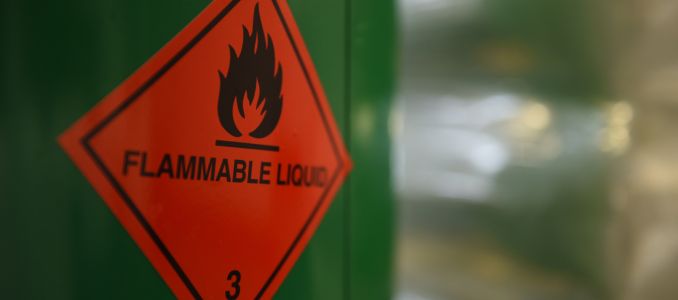
The explosion occurred when a 55-gallon drum of nitrocellulose—a highly flammable compound frequently used in beauty and personal care manufacturing—detonated, triggering a chain reaction that ignited other hazardous chemicals stored in the immediate vicinity. While the physical damage to the Prescott site was substantial, the regulatory response underscores a deeper concern regarding the company’s internal safety culture, particularly regarding the onboarding and training of new personnel.
Chronology of the Regulatory Investigation
The investigation by federal safety officials began shortly after the emergency services cleared the site of the Prescott facility. OSHA inspectors conducted a comprehensive audit of the company’s safety records, training logs, and on-site chemical management systems. The timeline of the investigation suggests a process that prioritized the examination of both the immediate cause of the explosion and the underlying administrative failures that allowed such a dangerous environment to persist.
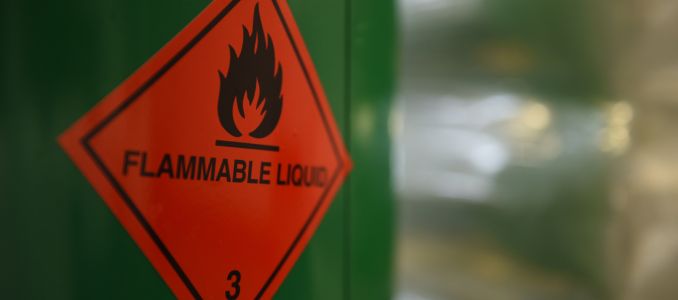
According to official OSHA records, the inspection concluded that SV Labs failed to implement even the most fundamental safety programs for its workforce. This includes a lack of adequate chemical hazard training, which is a mandatory requirement under federal law for any facility handling reactive substances. Furthermore, the investigation revealed that employees tasked with operating near hazardous materials had not been provided with essential respiratory protection training, nor had they undergone the medical evaluations and fit testing required to ensure that such equipment would function correctly in the event of an emergency.
Breakdown of Safety Violations
The $275,694 in proposed penalties is categorized into two repeat violations and ten serious violations. The repeat nature of the citations is particularly concerning to regulators, as it suggests that the company had been previously warned about similar hazards but failed to take corrective action to eliminate the risks.

Hazard Communication and Respiratory Protection
The repeat citations involve the fundamental pillars of worker safety: Hazard Communication (HazCom) and Respiratory Protection. Under OSHA’s HazCom standard, employers are required to provide comprehensive training on the chemical properties, health risks, and handling procedures of every hazardous substance in the workplace. The failure to provide this training meant that employees were working in proximity to high-risk chemicals like nitrocellulose without a full understanding of the potential for an explosion.
The respiratory protection violations indicate that even when protective gear was presumably present, the company failed to ensure it was effective. Without proper medical evaluations—which assess an employee’s physical ability to wear a respirator—and fit testing—which ensures a proper seal against the face—the protective equipment provided to workers was effectively useless.

Serious Violations and Operational Hazards
The ten serious violations cover a broad spectrum of safety failures that contributed to the volatile environment leading to the explosion. Key areas of concern include:
- Improper Storage of Flammable Liquids: The facility’s storage practices did not meet the rigorous standards required for volatile materials, allowing for the potential of a localized explosion to escalate into a facility-wide fire.
- Fire Extinguisher Training: Despite working in an environment with high fire risk, employees were found to lack the training necessary to operate fire extinguishers effectively, which could have potentially mitigated the spread of the fire immediately following the initial blast.
- Electrical Hazards: Improperly shielded or maintained electrical equipment in areas where flammable vapors were present likely served as an ignition source.
- Forklift Safety and Recordkeeping: Beyond the chemical hazards, inspectors identified failures in heavy equipment operation safety and the maintenance of accurate safety records, indicating a broader breakdown in the company’s operational oversight.
The Nature of Nitrocellulose Risks
Nitrocellulose, often referred to as cellulose nitrate, is a highly flammable substance used in the production of lacquers, inks, and beauty products. In its dry state, it is exceptionally unstable and can be ignited by friction, heat, or impact. In a manufacturing environment, it is typically handled with extreme caution, often requiring specialized containment and climate-controlled storage to prevent the exact type of incident seen at the Prescott facility.

The fact that a 55-gallon drum of this material was involved in an explosion suggests a breakdown in the facility’s Standard Operating Procedures (SOPs). In chemical manufacturing, the hierarchy of controls—which prioritizes eliminating hazards, using engineering controls, and finally relying on administrative controls and personal protective equipment—is essential. The OSHA findings imply that SV Labs failed at nearly every level of this hierarchy, allowing a catastrophic, yet preventable, event to occur.
Official Responses and Legal Contestation
SV Labs Prescott Corp. has formally contested the findings and the proposed penalties before the Occupational Safety and Health Review Commission. This is a standard legal maneuver for corporations facing significant OSHA fines, allowing them to present their own evidence or argue for a reduction in penalties through an administrative hearing process.

Under the Occupational Safety and Health Act, employers have 15 business days after receiving citations to either comply with the findings and pay the fines, request an informal conference with an OSHA Area Director to discuss the citations, or file a formal notice of contest. By choosing to contest, SV Labs is moving toward a legal proceeding where they will likely attempt to demonstrate that their safety protocols were more robust than the inspectors found, or that the violations do not meet the legal threshold for the penalties proposed.
Broader Industry Implications and Safety Standards
The incident at the Prescott facility serves as a stark reminder of the responsibilities held by beauty and chemical manufacturers. The beauty industry, while often perceived as a consumer-facing, low-risk sector, involves complex chemical processing that carries significant industrial hazards.
The Importance of a Safety-First Culture
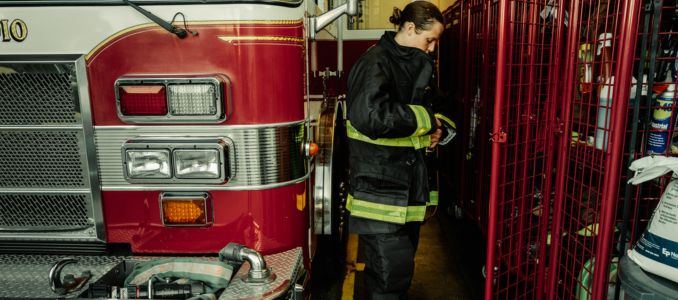
The findings in this case highlight a common failure in modern manufacturing: the "paper safety" gap. This occurs when a company maintains documentation that suggests compliance, but the actual day-to-day operations on the factory floor are disconnected from these written policies. When new hires are not adequately trained, or when equipment is not maintained to code, the entire workforce is left vulnerable.
The Financial and Reputational Cost
Beyond the immediate $275,694 in fines, companies like SV Labs face significant long-term costs. These include increased insurance premiums, the potential for civil litigation from affected employees, and the reputational damage that can impact business contracts and client trust. For a manufacturer in the beauty space, which relies heavily on supply chain stability, a shutdown caused by an explosion can lead to lost production time that far exceeds the cost of the initial OSHA penalties.

Improving Regulatory Compliance
For firms operating in similar sectors, the lessons from the Prescott incident are clear. Regulatory bodies are increasingly focusing on:
- Onboarding Integrity: Ensuring that safety training is not just a checkbox, but a verifiable demonstration of competence.
- Continuous Monitoring: Implementing real-time sensors and stricter inventory management for hazardous materials.
- Cultural Accountability: Ensuring that management at all levels is held accountable for safety, rather than delegating the responsibility to a single, potentially overwhelmed safety officer.
As the case proceeds through the Occupational Safety and Health Review Commission, the outcome will likely hinge on the quality of documentation and the evidence of prior safety interventions. Regardless of the legal outcome, the incident has highlighted the critical need for rigorous, non-negotiable safety standards in any facility that handles high-risk chemicals. The health and safety of the workforce depend not on the presence of safety manuals on a shelf, but on the active, daily enforcement of protective measures that prevent volatile substances from becoming lethal hazards.