

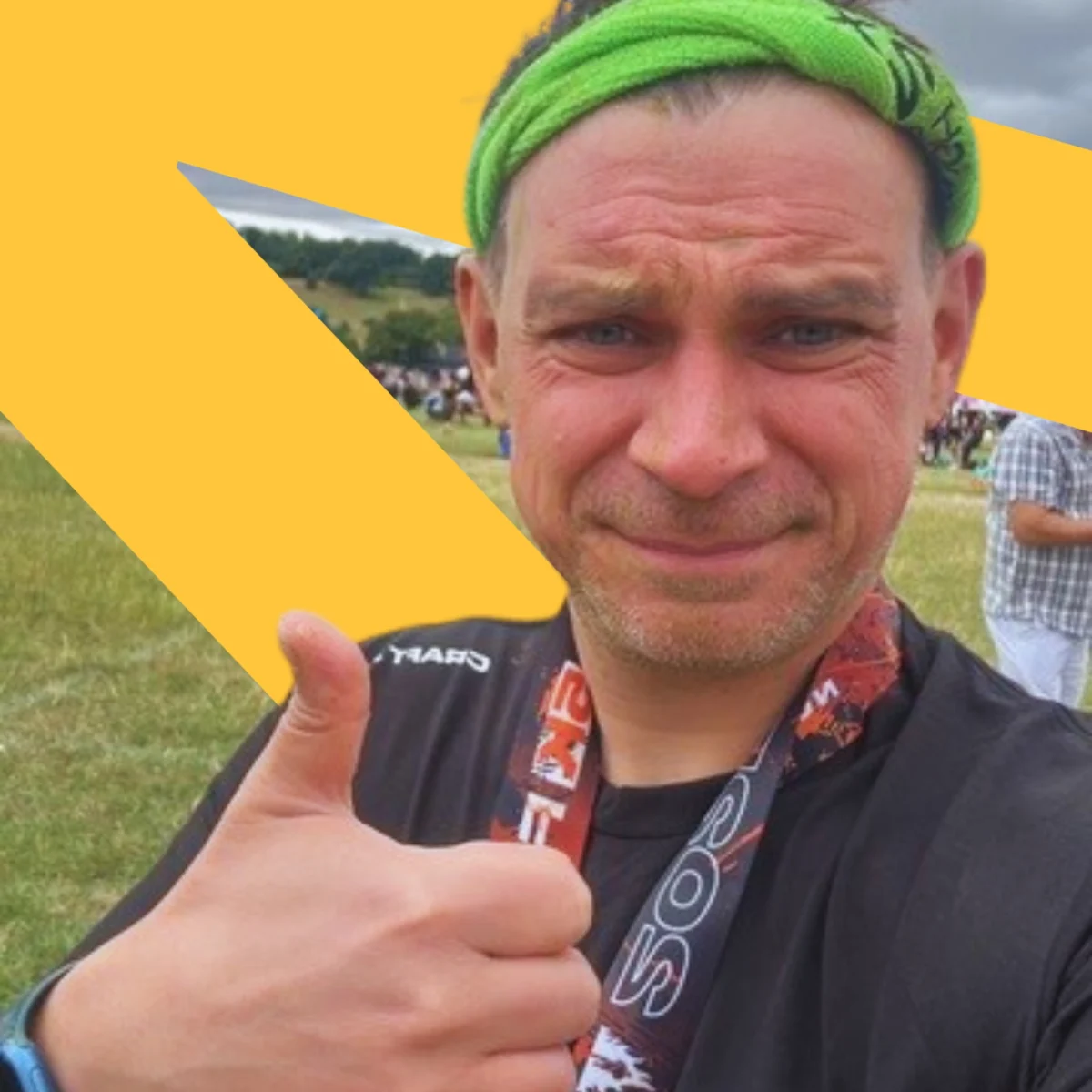
On March 1, 2026, Chris Ives will join hundreds of runners at the North Lincolnshire Half Marathon, but his motivation extends far beyond the pursuit of a personal best. For Ives, the 13.1-mile course represents a significant milestone in a personal recovery journey following his diagnosis of tinnitus and hyperacusis in December 2024. By dedicating his participation to Tinnitus UK, the national charity for people experiencing tinnitus, Ives is working to bridge the gap between clinical diagnosis and the emotional support network often lacking for those newly diagnosed with the condition.
A Chronology of Recovery
The onset of Ives’ condition began with what he believes was an inner ear infection, an event that triggered a sudden and persistent auditory disturbance. While many individuals experience temporary ringing or buzzing in their ears—often following exposure to loud noise—Ives found that his symptoms did not subside. As the days stretched into weeks, the condition escalated, leading to a period of profound psychological distress.
The timeline of his struggle mirrors that of many patients: an initial, often frightening, onset, followed by medical consultations that frequently result in inconclusive testing. In the UK, the standard clinical pathway for tinnitus involves referrals to Ear, Nose, and Throat (ENT) specialists and, in many cases, diagnostic imaging such as MRIs. Ives noted that while these scans are vital for ruling out pathology, they often provide little comfort to the patient. Being told that scans are "normal" can be a demoralizing experience for someone suffering from debilitating symptoms, leaving them without a clear roadmap for management or recovery.
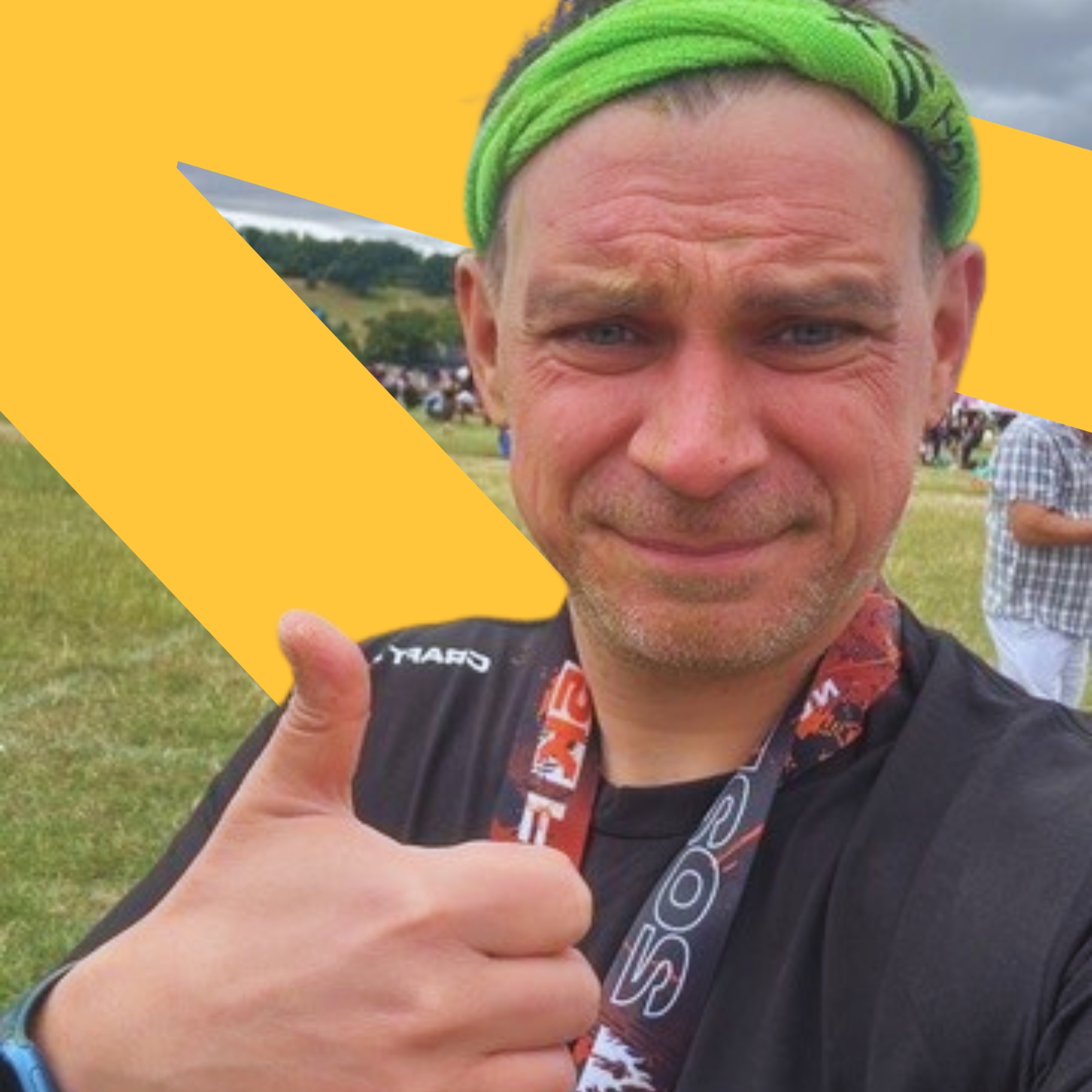
By mid-2025, Ives began to regain his footing, aided significantly by the online support communities facilitated by Tinnitus UK. These forums provided the peer-to-peer validation that clinical settings often failed to deliver. It was here that he began to view his tinnitus not as a permanent state of defeat, but as a biological indicator—a "barometer" for his stress, hydration, and fatigue levels. This cognitive shift allowed him to re-engage with physical activities he had previously abandoned, culminating in his participation in the 2025 Tough Mudder challenge and his current preparations for the North Lincolnshire Half Marathon.
The Landscape of Tinnitus in the UK
The scale of the issue is significant. Data from the British Tinnitus Association and related health bodies suggests that approximately 7.6 million adults in the United Kingdom experience some form of tinnitus. For a large portion of this population, the condition is manageable, but for a substantial minority, the constant noise can lead to severe anxiety, depression, and a diminished quality of life.
Despite the prevalence of the condition, scientific research into curative treatments remains underfunded compared to other chronic health issues. Currently, the medical consensus focuses heavily on management techniques, such as Cognitive Behavioral Therapy (CBT), sound therapy, and the use of masking devices. While these interventions can be life-changing, they do not address the underlying biological mechanisms of the condition.
Ives’ advocacy efforts highlight a growing frustration among the patient community regarding the disparity between the number of people affected and the limited resources dedicated to finding a biological cure. His fundraising initiative is not only intended to support the operational costs of local and online support groups but also to increase the visibility of the condition to potential donors and researchers.
The Role of Advocacy and Support Networks
Tinnitus UK serves as a critical infrastructure for those navigating the early, volatile stages of the condition. For many, the sense of isolation is the most difficult aspect to overcome. The organization provides structured support groups where individuals can share experiences, learn coping mechanisms, and, perhaps most importantly, realize they are not alone.
"The work the charity does is life-saving," Ives remarked during a recent interview. He emphasizes that for those in the depths of a "crisis period," having a network of people who "get it" can prevent the downward spiral into hopelessness. By organizing his run, Ives aims to translate his personal experience into tangible support, ensuring these networks remain accessible to others who are currently struggling with the same "dark places" he navigated throughout 2025.
Clinical and Social Implications
The medical community is increasingly recognizing that tinnitus is not merely an auditory issue, but a complex intersection of neurology, psychology, and sensory processing. The "phobia of music" that Ives developed—often termed "sound sensitivity" or hyperacusis—is a common complication that requires careful, often gradual, desensitization.
The fact that Ives was able to reintroduce music into his life through controlled, cautious exposure serves as a practical example of the success of managed desensitization. His story serves as a reminder to the healthcare sector that patients require more than just a clean bill of health on an MRI scan; they require psychological support and, eventually, evidence-based, safe, and effective treatments.
The implications of his fundraising are twofold. First, the immediate financial contribution assists in the maintenance of essential services. Second, the broader cultural impact involves "de-stigmatizing" the condition. By speaking openly about his journey, Ives is helping to shift the narrative from a "medical mystery" to a manageable, if challenging, aspect of human health.
Moving Toward the Future
As the North Lincolnshire Half Marathon approaches, the focus for Ives is on both the finish line and the message he hopes to send. He is a vocal proponent for increased funding into the scientific research of inner-ear pathology. His goal is to contribute to a future where, as he puts it, tinnitus is as "treatable as the common cold."
While the current reality is that no singular cure exists, the combination of increased public awareness and consistent, evidence-based research represents the best hope for the millions affected. Ives’ commitment to the charity is a testament to the power of community-led advocacy. By turning his personal struggle into a platform for public good, he is helping to ensure that the 7.6 million people in the UK living with tinnitus have access to the resources, research, and support systems they need to lead full and meaningful lives.
Donations for his efforts are currently being directed toward the broader goals of Tinnitus UK, supporting both their advocacy and their research-funding initiatives. For those interested in the outcome of his race, the event stands as a symbol of resilience—a physical demonstration that despite the persistent, often invisible nature of tinnitus, individuals can regain control of their lives through a combination of community support, personal persistence, and the courageous act of speaking out.

As the race day arrives, the focus remains on the collective impact of such small-scale initiatives. While a single half-marathon cannot fund a cure, the ripple effect of such fundraising—increased visibility, higher engagement from the public, and a stronger voice for the patient community—is an essential component of the long-term effort to solve one of the most common, yet least understood, conditions in the modern world.