

In the Antioquia department of Colombia, a burgeoning movement led by speech-language pathologist Ángela Marcela Ordóñez is fundamentally shifting the landscape of Augmentative and Alternative Communication (AAC). The project, known as VOZ SOS CAAPAZ, represents a departure from traditional, clinic-bound therapy models, focusing instead on community-based, neuroaffirmative, and relationship-driven social integration for non-speaking and minimally speaking individuals. By moving AAC out of the isolated therapist-patient dynamic and into public, real-world environments, the initiative addresses critical gaps in how society engages with individuals who rely on assistive technology to express their agency.
The Genesis of a Community-Led Movement
The impetus for VOZ SOS CAAPAZ originated from a series of professional inquiries posed by Ordóñez, who sought to evaluate the efficacy of conventional speech therapy. Historically, many clinical interventions have operated under an ableist framework, prioritizing spoken language as the primary—or only—valid form of communication. Ordóñez’s project challenges this paradigm, questioning whether one-on-one therapy sessions, often occurring in isolation, can adequately simulate the complexities of real-world communication.
By mid-2025, these professional reflections culminated in the formal establishment of the VOZ SOS CAAPAZ project. The initiative was designed to provide a "runway" for AAC users to test their communication skills in naturalistic settings, moving away from prescriptive exercises toward meaningful social interaction. The project’s operational philosophy is rooted in "Presuming Competence," a principle asserting that all individuals have the inherent right and ability to communicate, regardless of their neurological profile or physical limitations.
A Chronology of Integration Efforts
The rollout of VOZ SOS CAAPAZ has followed a deliberate, evidence-based progression, prioritizing inclusivity and environmental familiarity.
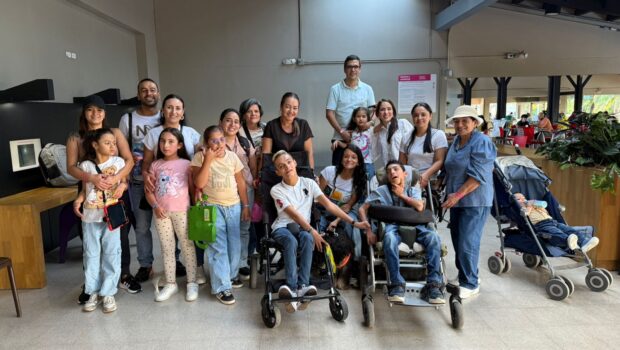
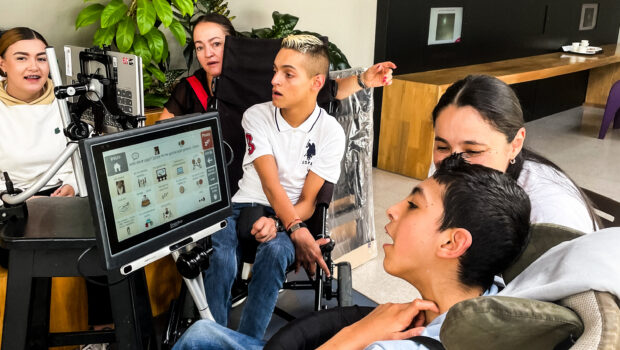
- October 2025: Marking International AAC Awareness Month, the program launched its inaugural event at the Comfama Rionegro park. This session served as a pilot to observe how diverse AAC users—ranging from those utilizing eye-tracking technology to those relying on tablet-based systems like Proloquo2go and Grid 3—could navigate a social, public space. The event brought together six primary users, ten family members, and a professional support team to foster interaction with the general public.
- February 2026: Expanding the scope of the project, the team transitioned to a public library setting in Rionegro. This session focused on "Comprehensive Literacy," a pedagogical approach championed by experts like Erin Sheldon. The goal was to demonstrate that AAC users, even those at an "emergent" level of literacy, possess a fundamental right to engage with literature and print media through accessible, assisted interactions.
Data-Driven Insights and Clinical Implications
The transition from clinical settings to public venues is supported by growing academic discourse regarding the limitations of traditional AAC training. As noted in the 2025 volume of the journal AAC, published by the International Society for Augmentative and Alternative Communication (ISAAC), there is an urgent need for meaningful inclusion. In the article "Nothing About AAC Users Without AAC Users," researcher Gran Blasko argued that the design and implementation of communication technologies have historically marginalized the voices of the users themselves.
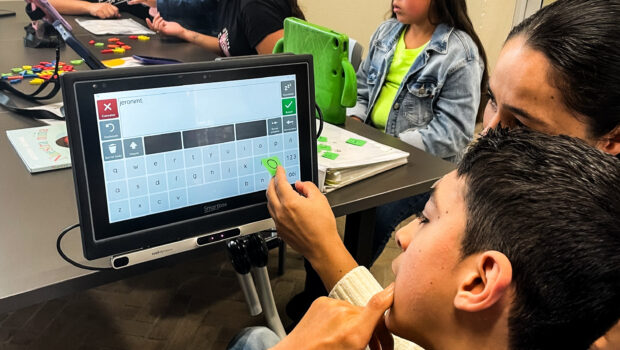
VOZ SOS CAAPAZ addresses this by ensuring that the communication partners—the families and caregivers—are treated as co-learners. Data from the initial gatherings suggest that when communication partners undergo consistent, structured training, the rate of engagement between users and their environment increases. For example, participants utilizing high-tech systems, such as Tobii eye-tracking devices, showed measurable increases in confidence and social participation when placed in a supported, peer-based group setting compared to solitary clinical sessions.
Perspectives from the Field
The feedback from participants underscores the social isolation that many non-speaking individuals face. Pablo Andrés Calderón Gómez, a participant in the October 2025 event, stated, "I met other friends. We need more people with this right to communication." This sentiment highlights the dual nature of the project: it acts as a therapeutic intervention while simultaneously serving as a human rights advocacy platform.
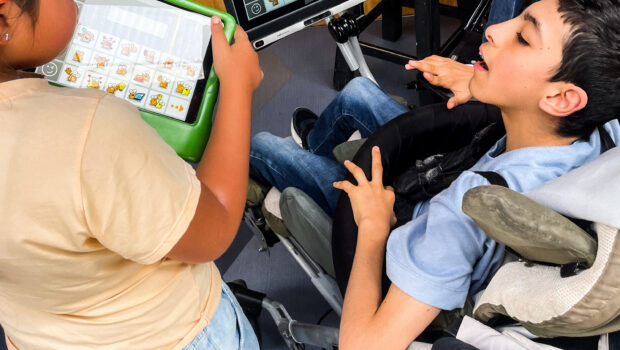
For families, the initiative provides a vital support network. Often, parents of AAC users feel limited by "ceilings" placed on their children by rigid, traditional therapy models. By facilitating peer-to-peer connection, VOZ SOS CAAPAZ allows families to observe the potential of their children in real-time, validating their communication methods and reducing the stigma often associated with assistive technology.
Broader Impact and Future Projections
The implications of the VOZ SOS CAAPAZ project extend beyond the municipal borders of Rionegro. By integrating into the public sphere, the initiative acts as an educational campaign for the neurotypical population. When members of the public interact with AAC users in parks and libraries, it dismantles the misconception that non-speaking individuals are unable to participate in society.
Furthermore, the project’s reliance on the "Comprehensive Literacy" model aligns with global trends in neurodiversity, which advocate for systemic changes in how educational systems cater to students with complex communication needs. The long-term goal of the initiative is to normalize the use of augmentative systems in all public spaces, ensuring that communication, like mobility, is seen as an essential human right rather than a privilege reserved for those who can speak.
Conclusion and Ongoing Commitment
The success of the VOZ SOS CAAPAZ project rests on the horizontal relationship between the therapist and the user. Unlike traditional hierarchical models, Ordóñez operates as a facilitator rather than a director. This structural change is essential for the future of AAC, as it places the agency back into the hands of the individuals using the technology.
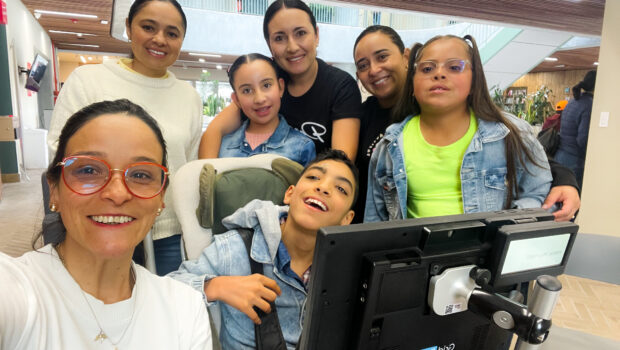
Looking forward, the organizers plan to continue monthly gatherings, with the hope of scaling the model to other regions within Colombia. As the project continues to evolve, it serves as a case study for global practitioners on the necessity of moving beyond the clinic. By combining evidence-based practice with a commitment to social justice, VOZ SOS CAAPAZ is establishing a new standard for how communities can foster environments where every voice, regardless of its medium, is heard and respected. The path forward remains one of continuous learning, questioning, and the dismantling of barriers, ensuring that the right to communicate remains at the forefront of the developmental and educational agenda for individuals with complex communication needs.