

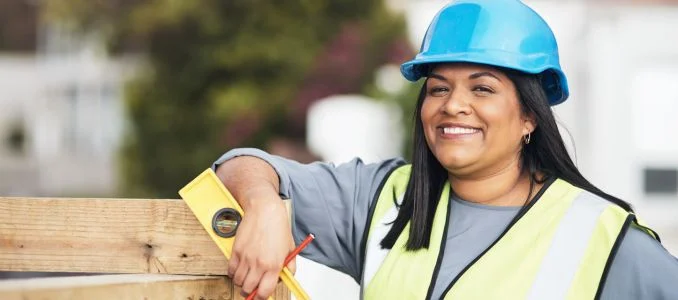
Virginia labor officials are recognizing Women in Construction Week this March by highlighting the growing role of women in the state’s construction workforce and promoting workplace safety initiatives as the industry faces a period of rapid evolution and diversification. This annual observance, spearheaded by the National Association of Women in Construction (NAWIC), serves as a focal point for assessing both the progress made in gender parity within the trades and the ongoing challenges regarding occupational safety, recruitment, and professional retention.
The Evolution of Women in the Trades
The construction industry has historically functioned as one of the most male-dominated sectors of the global economy. However, the narrative surrounding the job site is undergoing a seismic shift. As the "Level Up, Build Strong" theme for 2026 suggests, the industry is moving beyond merely filling quotas; it is now focused on long-term workforce development, career advancement, and the structural integration of women into high-level technical and leadership roles.
In Virginia, this shift is mirrored by the state’s active participation in national awareness campaigns. The Virginia Department of Labor and Industry (DOLI) has utilized this week to underscore the essential contributions women make to the state’s physical infrastructure, ranging from residential development to complex civil engineering projects. By highlighting these stories, state officials hope to dismantle lingering stereotypes that suggest construction is exclusively a masculine domain.

Statistical Snapshot: Participation and Safety
According to data provided by the U.S. Bureau of Labor Statistics, the Virginia construction sector employed approximately 230,000 individuals in 2024. While the growth of the industry has been robust, gender representation remains a point of focus for labor analysts. Current figures from the American Community Survey indicate that women constitute roughly 12% of the construction workforce in the Commonwealth. While this percentage has seen a slow, upward trajectory over the past decade, advocates argue that significant room for growth remains.
A critical dimension of this conversation is safety. Between 2023 and 2024, state records indicated that women accounted for 4% of nonfatal workplace injuries and illnesses reported within Virginia’s private construction sector. When viewed against the backdrop of all private industries in the state—where women represented 44% of nonfatal injuries resulting in lost work days or job transfers—the data suggests a complex landscape. While the raw number of injuries for women in construction is relatively low, this is partly a reflection of the current gender ratio. As more women enter the field, safety experts emphasize that personal protective equipment (PPE) must be redesigned for diverse body types, and safety training programs must become more inclusive to ensure that the influx of new workers does not lead to a spike in preventable accidents.
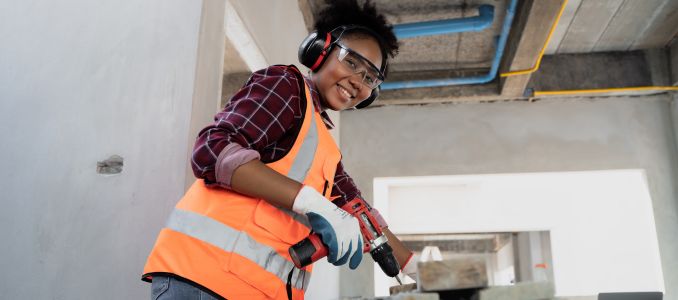
A Chronological Perspective on Industry Inclusion
The push for gender diversity in construction did not happen overnight. The movement gained significant traction in the late 20th century as labor shortages began to plague the industry.
- 1953: The National Association of Women in Construction was founded in Fort Worth, Texas, by 16 women working in the industry who recognized the need for a support network.
- 1990s: Industry groups began formalizing apprenticeship programs, acknowledging that the pipeline for skilled labor was insufficient without actively recruiting women.
- 2010s: The rise of digital technology and specialized machinery reduced the reliance on pure physical strength, which historically served as a barrier to entry for many women.
- 2024-2025: Virginia intensified its focus on Voluntary Protection Programs (VPP), encouraging firms to adopt a "culture of safety" that prioritizes the needs of a diverse workforce.
- 2026: Women in Construction Week has transitioned from a niche industry event to a state-recognized observance, marking a new era of official government support for gender equity in the trades.
The Role of Voluntary Protection Programs
A centerpiece of Virginia’s strategy for workplace safety is the Voluntary Protection Program (VPP). The DOLI utilizes this framework to identify and reward companies that demonstrate safety systems exceeding baseline regulatory standards. For women entering the trades, the presence of a VPP-certified site is often a hallmark of a professional environment where training is prioritized and hazards are proactively managed.
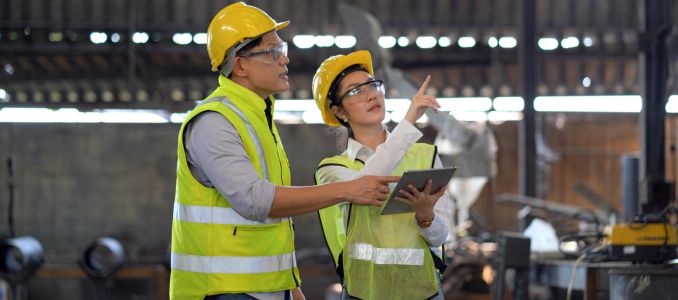
The VPP framework encourages a collaborative relationship between management and labor. By fostering an environment where workers are encouraged to identify hazards without fear of reprisal, these programs have proven effective in reducing the frequency of accidents. Labor officials believe that as more women move into supervisory and management roles in construction, their involvement in these safety management systems will be instrumental in identifying new, innovative approaches to site safety.
Broader Economic and Industrial Implications
The economic necessity of diversifying the construction workforce cannot be overstated. With an aging population of skilled tradespeople reaching retirement age, the industry faces a potential "skills gap." Replacing these retiring workers requires tapping into all available talent pools, and women represent the most significant underutilized demographic in the sector.

The impact of having more women in construction extends beyond the individual worker. Research in industrial psychology has indicated that diverse teams are often better at problem-solving, risk management, and communication. In the high-stakes environment of a construction site, where communication breakdowns can lead to injuries or project delays, these soft skills are invaluable.
Furthermore, the "Build Strong" component of this year’s theme refers to the long-term sustainability of the industry. Construction firms that cultivate inclusive environments report higher retention rates and better employee morale. As Virginia continues to invest in infrastructure projects, the state’s ability to attract and retain a diverse workforce will likely be a key factor in the successful completion of these projects on time and under budget.
Perspectives from the Labor Department
Official statements from the Virginia Department of Labor and Industry emphasize that compliance is only the starting point. By offering training, cooperative programs, and technical assistance, the department aims to lower the barrier to entry for women seeking careers in plumbing, electrical work, heavy equipment operation, and project management.
"The goal is to move from a culture of ‘tolerating’ diversity to one of ‘leveraging’ it," noted a policy analyst familiar with state labor initiatives. By providing a clear path for professional development, the state hopes to transform the construction sector into a career destination for women who might otherwise pursue other professional avenues.
Looking Ahead: Building for the Future
As the 2026 Women in Construction Week concludes, the focus shifts toward the long-term implementation of these safety and recruitment initiatives. The data clearly shows that while the industry is expanding its demographic reach, the maintenance of safety standards remains paramount.
Future efforts will likely focus on three core pillars:
- Mentorship: Connecting women early in their careers with experienced mentors to facilitate knowledge transfer and professional growth.
- Equipment Optimization: Ensuring that PPE, tools, and heavy machinery are ergonomically suitable for all workers, thereby reducing strain and injury risks.
- Policy Advocacy: Continued legislative and administrative support for workplaces that prioritize safety, equity, and inclusion as central business metrics.
The trajectory of the Virginia construction industry is inextricably linked to its ability to evolve. By fostering a culture that celebrates the achievements of women and actively addresses the unique challenges they face on the job site, the state is positioning itself as a leader in the modern industrial landscape. The success of these efforts will ultimately be measured not just by the percentage of women in the workforce, but by the safety and prosperity of all workers who continue to build the future of the Commonwealth.