

This March, the Virginia Department of Labor and Industry (DOLI) is formally participating in the nationwide observance of Women in Construction (WIC) Week. Organized annually by the National Association of Women in Construction (NAWIC), this week-long initiative serves to spotlight the vital contributions of female professionals in the building trades, while simultaneously addressing the unique challenges—ranging from workforce development to occupational health—that women face in an historically male-dominated sector. With the 2026 theme, "Level Up, Build Strong," the Commonwealth is using this period to emphasize the necessity of fostering inclusive, safe, and sustainable environments for all construction personnel.
The Evolution of the Construction Workforce
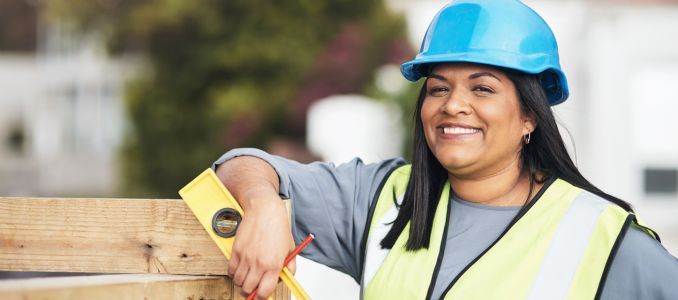
The construction industry has long been a bellwether for the American economy, and in Virginia, the sector remains a robust engine for infrastructure and commercial development. According to U.S. Bureau of Labor Statistics (BLS) data, Virginia’s construction industry employed approximately 230,000 individuals in 2024. While the industry has traditionally been characterized by a gender imbalance, recent trends indicate a gradual shift. American Community Survey data reveals that women currently account for approximately 12% of the state’s construction workforce.
While 12% may represent a modest slice of the total headcount, industry analysts note that this figure represents significant growth compared to the late 20th century. This demographic shift is driven by a combination of factors: an aging workforce necessitating the recruitment of new talent, the rise of specialized technology roles within construction, and a concerted effort by trade unions and private firms to diversify their hiring pipelines.

Chronology and Significance of WIC Week
The National Association of Women in Construction established the first WIC Week in 1998 to raise awareness about the opportunities available for women in the industry and to emphasize the growing role of women in the construction project lifecycle. Over the last three decades, the initiative has transitioned from a localized grassroots movement to a national observance supported by state agencies and major private contractors.
In Virginia, the observance is not merely ceremonial. It acts as a milestone for the DOLI to evaluate its regulatory outreach. By aligning with WIC Week, state officials create a structured timeframe to review safety data, disseminate training materials, and engage with employers on how to accommodate a more diverse workforce. This year’s theme, "Level Up, Build Strong," reflects a dual commitment: "leveling up" refers to the professional advancement and mentorship of women, while "building strong" pertains to both the physical infrastructure and the structural integrity of the industry’s safety culture.

Analyzing Occupational Health and Safety Data
A critical component of the DOLI’s participation in WIC Week is the dissemination of health and safety statistics. The department’s data offers a nuanced look at workplace risks. Between 2023 and 2024, women accounted for only 4% of nonfatal workplace injuries and illnesses reported within Virginia’s private construction sector. This figure is significantly lower than the proportion of women in the workforce, suggesting that, statistically, women in the construction field may be less likely to experience reported injuries than their male counterparts.
However, a broader look at Virginia’s private industry data reveals a different landscape. Across all private sectors in the state during the same period, women represented 44% of nonfatal, work-related injuries and illnesses resulting in days away from work or job transfers. The disparity between the 4% in construction and the 44% overall highlights the specialized nature of construction-related safety reporting. Labor experts suggest that the low percentage in construction could be attributed to several factors: higher levels of initial safety training, the concentration of women in administrative or project management roles rather than high-risk physical labor, or potential under-reporting in the field.

Regulatory Initiatives and Safety Management
To mitigate risks, the Virginia DOLI actively promotes the Voluntary Protection Programs (VPP). The VPP serves as a cornerstone of the department’s strategy to improve workplace conditions. Unlike standard compliance checks, which focus on identifying violations, the VPP recognizes and partners with employers who demonstrate a commitment to safety management systems that exceed federal and state regulatory requirements.
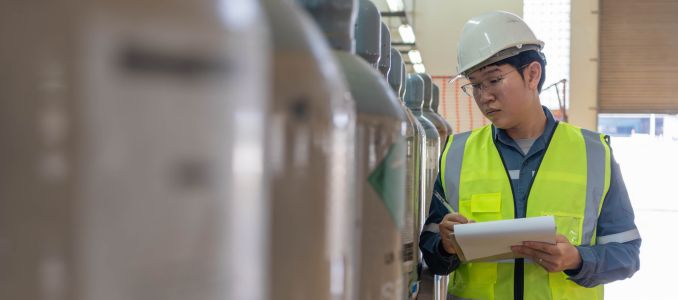
For firms employing women in the trades, the VPP is particularly significant. Safety experts argue that a comprehensive safety management system—one that includes properly fitted personal protective equipment (PPE), rigorous site-specific training, and a culture that discourages harassment—is essential for retaining women in the field. The DOLI’s emphasis on these programs during WIC Week is an effort to signal to contractors that safety is not a "one-size-fits-all" proposition. Effective safety programs must account for the physical and environmental realities of a diverse workforce, ensuring that all workers, regardless of gender, have the tools they need to perform their duties without incident.

The Economic and Strategic Implications
The push to increase the number of women in construction is not solely a matter of social equity; it is a strategic economic imperative. With the construction industry facing a persistent labor shortage, the inclusion of women represents an untapped demographic that can help stabilize the workforce.
Furthermore, as construction projects become increasingly complex—incorporating digital modeling, advanced sustainability practices, and automated machinery—the demand for a highly skilled, adaptable workforce is at an all-time high. Women entering the trades are often finding success in these specialized roles, which require a mix of traditional craft knowledge and modern technical proficiency.
From an administrative perspective, the DOLI’s focus on WIC Week serves to remind firms that diversity in the workforce is often correlated with higher safety standards. Research suggests that when workplaces prioritize inclusive policies, they tend to see improvements in overall communication, a stronger adherence to safety protocols, and a reduction in the "machismo" culture that has historically been linked to higher accident rates in construction.
Looking Toward the Future of the Trades
As Women in Construction Week continues through the month, the Virginia DOLI is encouraging contractors to move beyond symbolic gestures. The department is urging firms to invest in long-term infrastructure for their employees, such as mentorship programs, leadership development pathways for female foremen and project managers, and the continued implementation of robust, data-driven safety systems.
The implications for the Commonwealth are clear: a more representative workforce is a more resilient one. As Virginia continues to invest in its infrastructure, from highway expansion to commercial development, the role of women in the trades will likely expand. By highlighting these contributions today, the DOLI is laying the groundwork for a future where construction is recognized as an inclusive, high-tech, and safety-conscious career path for all Virginians.
The ongoing efforts by the DOLI, coupled with the advocacy of organizations like NAWIC, suggest that the trend toward inclusion is not merely a passing interest but a structural shift in how Virginia’s labor market functions. The data from 2023–2024 serves as a baseline; the challenge for the coming years will be to ensure that as the percentage of women in the workforce grows, the focus on safety, training, and professional development remains the primary driver of success. By "Leveling Up and Building Strong," the industry is positioning itself to meet the demands of the future while honoring the contributions of the women who are helping build the state’s foundation today.