

The Government Digital Service (GDS) has released a comprehensive overview of how information architecture (IA) serves as the foundational bedrock for inclusive digital public services. As part of its ongoing "Unlocking Accessibility" series, the UK’s central digital agency brought together its lead information architects to detail the methodologies, challenges, and strategic frameworks required to ensure that government websites and tools remain usable for the millions of citizens with diverse physical and cognitive needs. This initiative comes at a critical time when digital-first governance is becoming the global standard, necessitating a shift from reactive accessibility fixes to proactive, structurally inclusive design.
The Strategic Role of Information Architecture in Public Services
Information architects at GDS are tasked with more than just organizing content; they are the designers of the underlying logic that dictates how users perceive and interact with information. Traditionally, these professionals plan and execute research activities to gain a granular understanding of user behavior. However, as Becky Ashley, Lead Information Architect at GDS, explains, the modern mandate requires embedding accessibility at every organizational level. This involves a shift in culture where accessibility is not a final "audit" phase but a continuous thread woven through internal workflows and professional skill sets.
The GDS approach emphasizes a collective mindset. By integrating accessibility into the earliest stages of architectural design, teams can create intuitive systems that reduce the cognitive load on users. This is particularly vital for public services, where the user does not have the option to switch to a competitor if the interface is too difficult to navigate.
The Three Pillars: Ontology, Taxonomy, and Choreography
To provide a structured approach to accessibility, GDS specialists identify three core pillars of information architecture: ontology, taxonomy, and choreography. Senior Information Architect Rik Williams notes that focusing on these elements individually and cohesively allows for the creation of "deeply usable" systems.
- Ontology (The Meaning): This involves defining what the information is. Accessible ontologies use clear, consistent concepts that help users with cognitive disabilities or limited domain knowledge understand the subject matter without ambiguity.
- Taxonomy (The Organization): This refers to how information is categorized. Inclusive taxonomies utilize predictable and logical structures, which are essential for users relying on screen readers or those with mobility impairments who need to anticipate where information will be located.
- Choreography (The Interaction): This focuses on how users interact with information across different channels and contexts. Effective choreography ensures a logical tabbing order for keyboard users, clear focus indicators, and consistent navigation patterns.
By addressing these three pillars, information architects can ensure that the "skeleton" of a website supports the diverse ways in which people process information.
Adopting the POUR Principles in Architectural Design
A significant portion of the GDS strategy involves the application of the POUR principles—Perceivable, Operable, Understandable, and Robust. These are the four qualities that underpin the Web Content Accessibility Guidelines (WCAG). Becky Ashley highlights that finding a shared language across disciplines, such as design, development, and content creation, is essential for accountability.
In the context of information architecture, "Understandable" design means creating navigation that follows a predictable logic, while "Operable" design ensures that the structural flow does not hinder those using assistive technologies. By using these frameworks, GDS aims to move beyond simple compliance and toward a model of "universal design" that benefits all users, regardless of their ability.
Overcoming Common Pitfalls: From Jargon to Stakeholder Bias
One of the primary challenges identified by GDS experts is the tendency for organizations to design systems based on internal structures rather than user needs. Sally Creasey, Senior Information Architect, warns against allowing organizational hierarchies to dictate the sitemap. This often leads to the use of jargon and the creation of overlapping sections that confuse the user—a phenomenon often referred to as the "paradox of choice."
To mitigate these risks, GDS advocates for the creation of controlled vocabularies. These systems ensure language consistency across a platform, preventing the same concept from being labeled differently in different sections. Such inconsistencies can be particularly taxing for users with neurodivergent conditions, such as dyslexia or ADHD, who may struggle with shifting terminology.
Furthermore, the pressure of delivery cycles often squeezes the time allotted for user research. GDS emphasizes that testing must include a diverse range of users, including those with varying access needs, to ensure that the architecture holds up under real-world conditions.
Background and Evolution of Digital Accessibility in the UK
The focus on information architecture is part of a broader evolution in UK digital policy. Since the introduction of the Public Sector Bodies (Websites and Mobile Applications) (No. 2) Accessibility Regulations in 2018, government entities have been legally required to make their digital services accessible. These regulations are based on the WCAG 2.1 (and now 2.2) Level AA standards.
GDS has historically been a world leader in this space, with the GOV.UK design system serving as a template for many other nations. The "Unlocking Accessibility" series represents the next phase of this leadership, focusing on specific professional niches—like information architecture—to provide granular guidance that goes beyond general design principles.
Data and the Impact of Inaccessible Design
The importance of this work is underscored by recent data regarding disability in the United Kingdom. According to the Department for Work and Pensions’ Family Resources Survey, approximately 16 million people in the UK live with a disability, representing roughly 24% of the population. This includes individuals with vision, hearing, mobility, and cognitive impairments.
Research suggests that nearly 71% of disabled web users will abandon a website that is difficult to use. In the context of government services, this abandonment can lead to significant real-world consequences, such as missed benefit applications, delayed healthcare access, or failure to comply with legal obligations. By prioritizing information architecture, GDS aims to reduce these barriers and ensure equitable access to essential services.
Tools and Methodologies for Inclusive Architecture
The GDS team utilizes a variety of specialized tools and processes to validate their architectural decisions. These include:
- Noun and Verb Foraging: A technique used to identify the language users naturally employ when describing their needs.
- Card Sorting and Tree Testing: Research methods that allow users to categorize information in a way that makes sense to them, helping architects build mental-model-aligned taxonomies.
- Object-Oriented Design (OOD): Rik Williams points out that OOD helps create consistency by building information environments around tangible "objects" and standardizing their attributes.
- Progressive Disclosure: A design pattern that reveals information only as it is needed, preventing users from being overwhelmed by too much data at once.
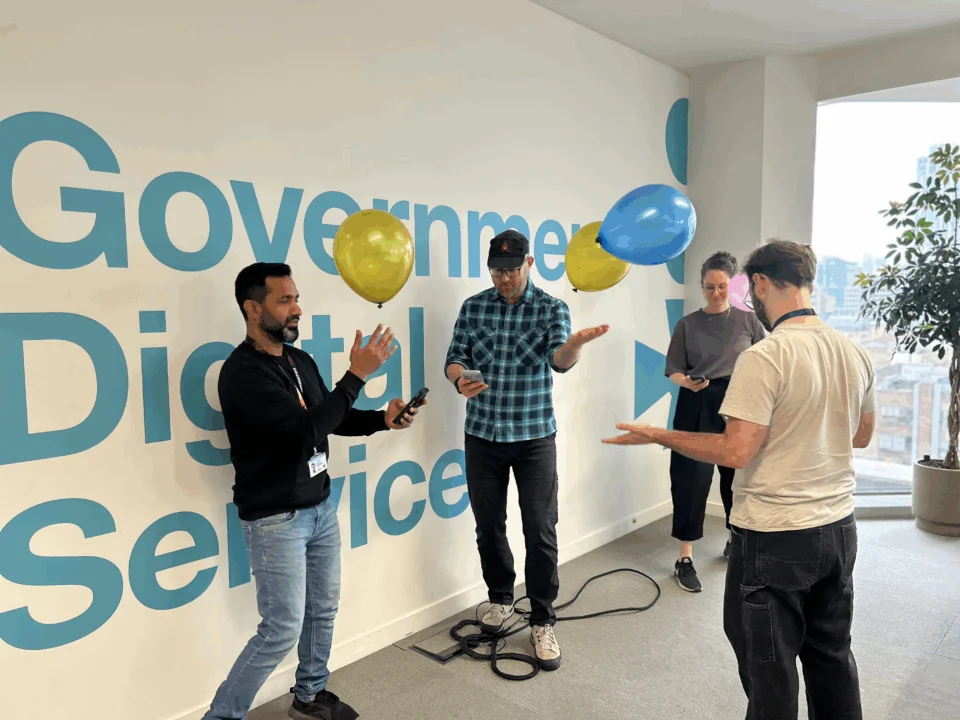
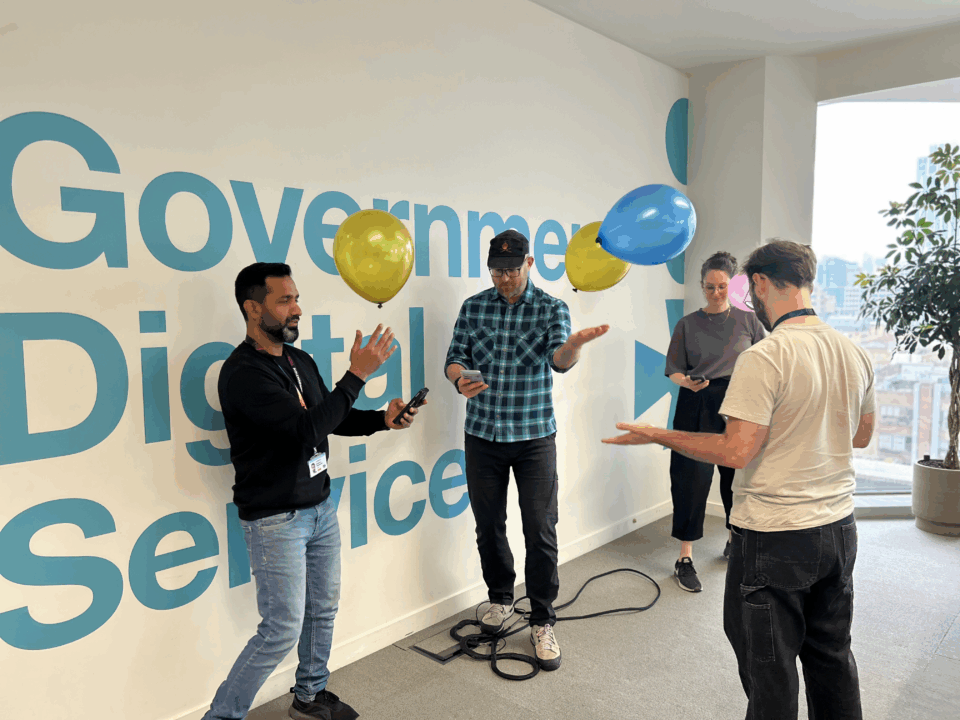
In addition to these technical tools, the team uses "empathy simulations," such as vision-impairing glasses or games like "empathy balloons," to help designers understand the physical constraints some users face. While these are not replacements for direct user testing, they serve as valuable educational tools for building awareness within multi-disciplinary teams.
Analysis of Implications: The Future of Accessible IA
The move toward more robust information architecture has significant implications for the future of digital governance. As artificial intelligence and machine learning become more integrated into public services, the quality of underlying metadata and taxonomies will determine how well these systems serve diverse populations.
Sally Creasey notes that advances in AI could allow for highly personalized experiences where content is served to users via their preferred channels and in formats tailored to their specific access needs. However, this level of sophistication is only possible if the initial information architecture is sound. A flawed taxonomy will lead to flawed AI outputs, potentially automating exclusion rather than inclusion.
Furthermore, the GDS emphasis on "backend" accessibility—ensuring that Content Management Systems (CMS) are usable for government employees with disabilities—highlights a growing recognition that digital inclusion must extend to the workplace as well as the public-facing interface.
Conclusion and Official Response
The Government Digital Service continues to invite contributions from the wider design community to further refine these approaches. By sharing these insights, GDS aims to foster a global standard where accessibility is seen as a fundamental requirement of information architecture rather than an optional add-on.
The "Unlocking Accessibility" series will continue to explore other professions, including developers and content designers, to create a holistic view of the government’s digital strategy. As digital transformation continues to accelerate, the work of information architects in "designing understanding" will remain a cornerstone of a functional and inclusive democracy. The consensus among the GDS experts is clear: the most deeply usable systems are those that are built, from the ground up, to be accessible to everyone.